موقع حكومي رسمي تابع لحكومة المملكة العربية السعودية
تنتهي روابط الموقع الرسمي للحكومة السعودية بـ gov.sa
جميع روابط المواقع التعليمية الرسمية في المملكة العربية السعودية تنتهي بـ sch.sa أو edu.sa
تستخدم المواقع الحكومية HTTPS بروتوكولًا للتشفير والأمان.
المواقع الآمنة في المملكة العربية السعودية تستخدم بروتوكول HTTPS للتشفير.
مسجلة لدى هيئة الحكومة الرقمية تحت رقم::
20250804812


Education for SDGs: specific courses on sustainability SDG 17.4.3
Updated 30/10/2025
17.4.3Majmaah University’s Commitment to SDG Education in the Wider Community
Introduction
Majmaah University (MU) demonstrates a strong commitment to educating the wider community – including alumni, local residents, displaced populations, and refugees – about all 17 Sustainable Development Goals (SDGs). This commitment aligns with Saudi Vision 2030 and the university’s mission to serve society mu.edu.sa. MU extends its role beyond campus by fostering awareness of sustainability issues, delivering public workshops and training, offering lifelong learning opportunities, and partnering with organizations to reach underserved groups. The following report details MU’s comprehensive initiatives to promote understanding of the 17 SDGs in the community, highlighting key programs, outreach efforts, and their impact.
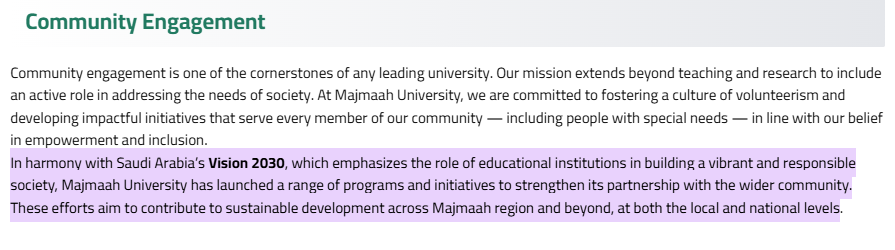
Educational Initiatives for SDG Awareness
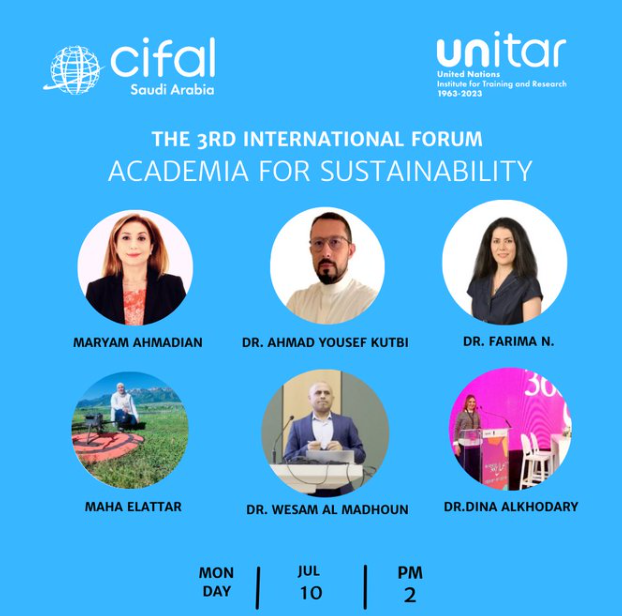
MU actively promotes awareness of all 17 SDGs among the public through dedicated centers and programs. Notably, the university hosts a United Nations-affiliated CIFAL training center, through which it organizes events and curricula on sustainable development. For example, MU’s Third International Sustainability Forum specifically focused on “Education and awareness to achieve sustainable development”, underlining that raising public understanding is essential to SDG progress mu.edu.sa. The university’s leadership has formally committed to meaningful SDG education across all levels, embedding sustainability concepts in its strategic plan and aligning university objectives with national SDG priorities m.mu.edu.sa m.mu.edu.sa. Through these initiatives, MU ensures that all 17 Global Goals – from quality education and health to climate action and peace – are highlighted as part of a holistic sustainability education agenda for the community.
The Third International Sustainability Forum: Education and awareness to achieve sustainable development
The Vice President for Female Student Affairs reviews the report of alignment with the Kingdom's Vision 2030 and praises the level of compatibility
Her Excellency the Vice President for Female Student Affairs, Dr. Jawaher bint Abdulrahman Al-Omar, met in her office, on Wednesday, 27 Rajab 1440 AH, Ms. Donia bin Hassan and Ms. Hanan Munawar Al-Mutairi from the team preparing the alignment report between the university's strategic plan and the Kingdom's Vision 2030.
During the meeting, Her Excellency the Vice President for Female Student Affairs reviewed the report, which aims to enhance ways to benefit and align the university's strategic plan with its objectives and indicators with the Kingdom's Vision 2030.
The report included the methodology for preparing the report, an overview of the Kingdom's Vision 2030, the synergies between the methodology of the university plan and the methodology of the Kingdom's Vision 2030, as well as the relationship of education to the development of the national economy, and the compatibility of each of the objectives of the strategic plan, the university's plan and its institutional values with the Kingdom's Vision 2030, and the report also included the compatibility of performance indicators between the Kingdom's Vision 2030 and the university.
For her part, the Vice President for Female Student Affairs, Dr. Jawaher bint Abdulrahman Al-Omar, praised the report's compatibility and harmony with the Kingdom's Vision 2030, stressing the importance of continuing efforts towards achieving the desired goals.
He pointed out that the support and assistance of His Excellency the President of the University, Dr. Khalid bin Saad Al-Muqrin, to all development agencies and programs at the university has had the greatest impact on achieving many qualitative and developmental achievements.
At the end of the meeting, Her Excellency the Vice President for Student Affairs thanked the report preparation team for the great effort made.
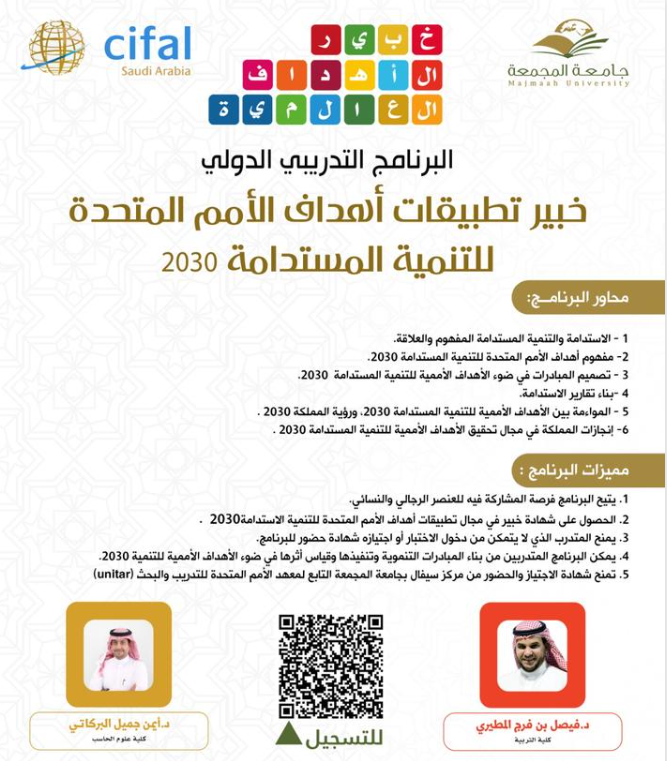
One prominent vehicle for SDG education is MU’s CIFAL Saudi Center (UNITAR), which offers training programs open to participants beyond the university. A flagship offering is the “UN Sustainable Development Goals Applications Expert” training program, developed in partnership with Saudi’s NEOM project mu.edu.sa. This multi-day program educates attendees on the concept of sustainable development, the full suite of UN SDGs, and skills like designing sustainability initiatives and reporting on progress mu.edu.sa. It even contextualizes the SDGs within Saudi Vision 2030 and shares the Kingdom’s achievements toward each goal mu.edu.sa. By qualifying local experts in sustainable development, MU helps diffuse SDG knowledge and capacity into the broader community.
Training Program: UN Sustainable Development Goals Applications Expert
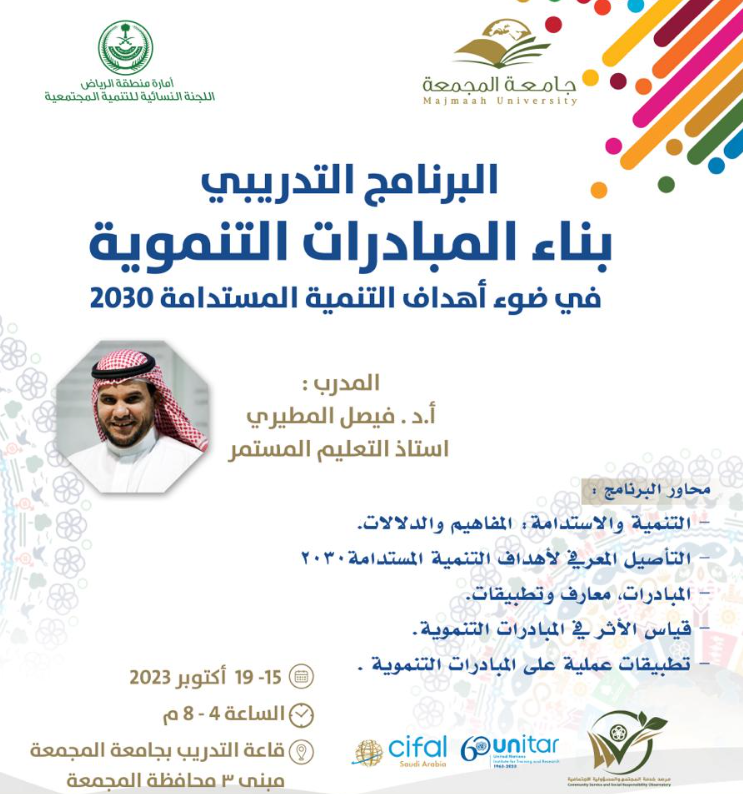
Training Program: Building Development Initiatives in Light of the 2030 Sustainable Development Goals
The Seval Center is implementing a training program for experts in implementing the United Nations Sustainable Development Goals 2030 in NEOM.
The Cefal Center implemented the "UN Sustainable Development Goals 2030 Applications Expert" training program in the NEOM project, in partnership with NEOM. The program aims to qualify experts in the field of sustainable development to promote the concepts included in the UN Sustainable Development Goals and achieve them by 2030.
The program addresses several key themes, including the concept of sustainable development, the United Nations Sustainable Development Goals, designing initiatives within the framework of these goals, and how to measure and construct sustainable development reports. The program also includes presenting applied models of sustainability reports, reviewing participants' initiatives, and understanding how to align the United Nations Sustainable Development Goals with the Kingdom's Vision 2030. It also highlights the Kingdom's achievements in achieving these goals.
The first day witnessed the opening of the program, where His Excellency Mahmoud bin Hussein Al-Harbi, Governor of Duba and an expert in implementing the United Nations Sustainable Development Goals, delivered an opening speech in which he expressed the importance of the program and the effective role it can play in achieving the Sustainable Development Goals.
For his part, Dr. Ayman Al-Barakati, Director of the Cefal Center, spoke about the center, its objectives, and its role in promoting sustainable development through partnerships with major development entities such as NEOM.
Dr. Al-Barakati noted that this is the first implementation of the qualitative program in cooperation with NEOM, which aims to graduate the first batch of experts in implementing the United Nations Sustainable Development Goals.
Dr. Al-Barakati emphasized the unlimited support the center receives from His Excellency the President of Majmaah University, Professor Saleh bin Abdullah Al-Mazal, and the Chairman of the CEVAL Council, which contributes to achieving the center's ambitious goals.
It's worth noting that the program's trainees are distinguished employees from various NEOM sectors, reflecting NEOM's commitment to developing the skills of its workforce and achieving sustainable development in the region.
This program represents a qualitative step towards achieving cooperation between the CEVAL Center and NEOM to enhance national capabilities in the field of sustainable development and prepare qualified cadres to contribute to achieving the Kingdom's Vision 2030.
In addition, MU encourages a culture of sustainability among its students that inevitably spills over to the community. The Sustainable Development Club on campus mobilizes students to “promote the culture of sustainability and environmental awareness” through events and projects mu.edu.sa mu.edu.sa. The club’s activities – ranging from campus campaigns to research and innovation challenges – prepare students to act as sustainability ambassadors in society. In summary, MU’s institutional commitment and academic initiatives create a strong foundation for SDG literacy that benefits not only its students but all community stakeholders.
Sustainable Development Club
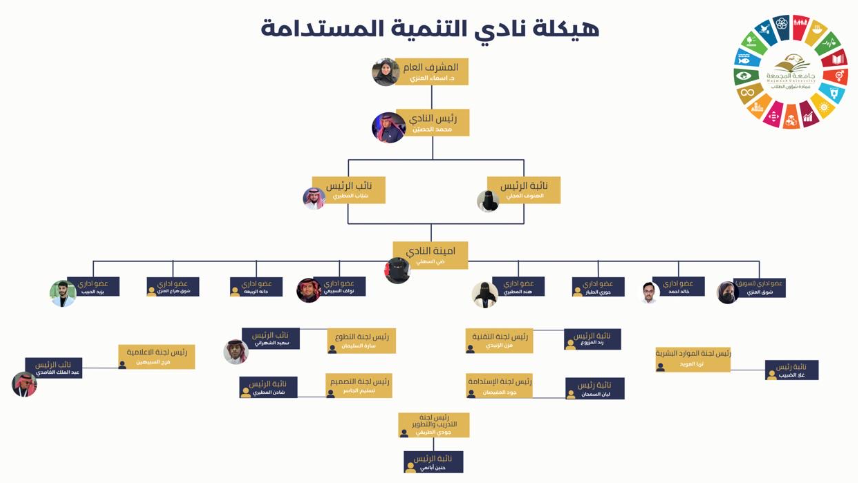
Welcome to the official website of the Sustainable Development Club at Majmaah University. This page aims to make the communication process between our members and visitors much easier. The page also provides you with a highlight about the club’s members and activities.
The Club seeks to promote the concept of sustainable development and create a sustainable environment through collective work.
Our mission is to effectively utilize the resources available from each club member and boost the members' confidence.
Vision:
We seek to encourage and promote the culture of sustainability and environmental awareness among students and stimulate active participation in activities and initiatives that contribute to preserving the environment and promoting sustainable development in the university community.
Public Workshops, Lectures, and Training on Sustainability
Public-facing workshops, seminars, and lectures form a cornerstone of MU’s SDG outreach.
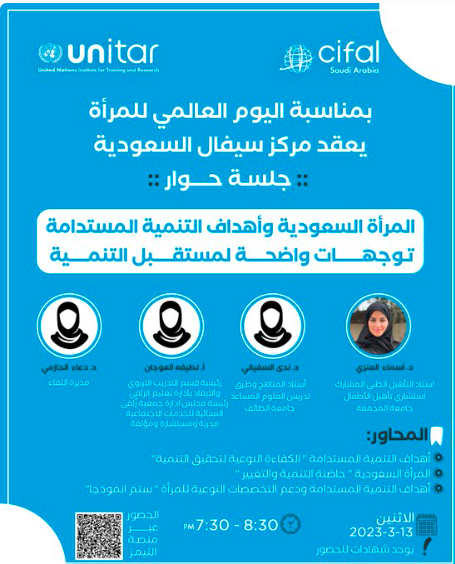
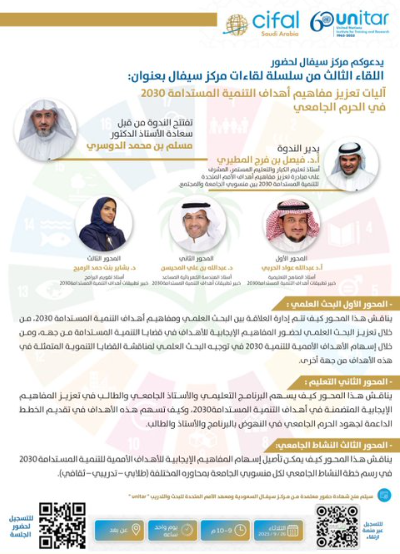
Through both the CIFAL Center and other units, the university regularly hosts educational events on sustainability topics open to community members. For example, MU has organized seminars such as “Saudi Woman and the SDG” (highlighting gender equality and women’s role in development) and scientific symposiums on “Mechanisms for Promoting the Concepts of the Sustainable Development Goals”, which engage the public in discussions on how to achieve the UN goals mu.edu.sa. Likewise, dedicated workshops on environmental sustainability – e.g. a workshop titled “The Role of Awareness in Achieving Environmental Sustainability” – help inform participants about practical actions for goals like SDG13 (Climate Action) mu.edu.sa. These events often feature experts from MU and beyond, ensuring that attendees (whether students, alumni or local citizens) gain up-to-date knowledge on sustainability challenges and solutions.
Dialogue session entitled: (Saudi Women and Sustainable Development Goals)
A scientific symposium entitled: Mechanisms for promoting the concepts of the 2030 Sustainable Development Goals on campus
MU’s outreach spans a wide range of SDG themes. The university’s Social Responsibility Observatory and academic departments frequently deliver community seminars on health, education, and social issues. As part of SDG3 (Good Health & Well-being) efforts, MU’s medical faculty and students have run awareness lectures on topics such as hygiene, disease prevention, and mental health. For instance, MU’s College of Medicine organized a seminar on “Psychological and Social Dimensions of Violence against Women,” educating the public on an SDG5 (Gender Equality) issue m.mu.edu.sa. The university has also hosted public mental health courses and lectures for students and community members, recognizing mental well-being as integral to sustainable development m.mu.edu.sa. Similarly, in line with SDG8 (Decent Work) and SDG9 (Industry & Innovation), MU’s Institute of Entrepreneurship has offered open workshops (like “Go with Riyada”) and lectures on entrepreneurship fundamentals m.mu.edu.sa – empowering youth and local entrepreneurs with skills for economic sustainability.
The university holds a symposium entitled: The Psychological and Social Dimensions of Violence Against Women.
The university, represented by the College of Medicine, held a symposium entitled: “The Psychological and Social Dimensions of Violence Against Women,” in the theater of the College of Medicine building, on the occasion of the “Treat Women Well” campaign to combat violence against women, and coinciding with the International Day for the Elimination of Violence against Women. The symposium was attended by Dr. Abdul Rahman Al-Atram, Professor and Consultant Psychiatrist, Head of the Department of Psychiatry at the College of Medicine and Head of the University’s Mental Health Promotion Group, and Dr. Hanan Ismail, Associate Professor of Mental Health at the College of Education and a member of the Mental Health Promotion Group. It was moderated by Professor Ahmed Al-Asilan.
The symposium included several topics, including: defining violence against women, its forms, and the psychological symptoms resulting from it, spreading public awareness in order to eliminate it, focusing on protecting women’s psychological and social rights, creating a comprehensive social awareness state in order to confront it, and identifying the official bodies that can be contacted in the event of exposure to violence. The symposium also discussed the achievements of the Kingdom of Saudi Arabia in the field of women’s empowerment and the enactment of laws that would protect them. At the end of the meeting, the attendees’ interventions were received and their inquiries were answered.
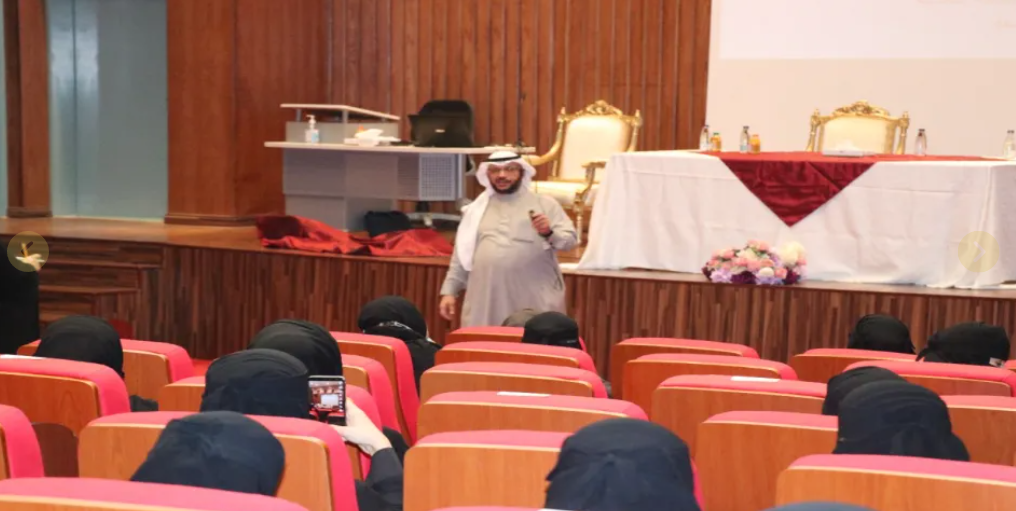
Mental Health Course
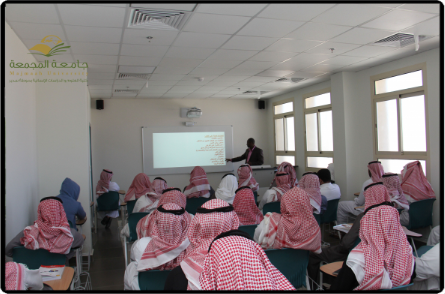
The Student Support Unit, in coordination with the Training and Public Relations Unit at the College, held a training course for students on (mental health, its problems and methods of treatment), in Hall (26/3) on Wednesday, 8/5/1437 AH, presented by Dr. Jalal Al-Siddiq, Head of the Unit.
The course dealt with explaining the definition of mental health and the importance of positive factors for human mental health in general and for students in particular, as well as the most important psychological problems facing students, including fear, anxiety, depression and shyness, explaining the most important symptoms indicative of these problems and the physical, psychological and social changes that occur to students, which greatly affect their behavior patterns, and the most important methods of treating these problems were explained.
At the end of the course, students' questions and inquiries were answered.
Entrepreneurship
Under the guidance of His Excellency the Dean of the College of Sciences and Humanities in Al-Ghat, Dr. Omar bin Muhammad Al-Omar, the Student Activities Unit at the College held an introductory training course on entrepreneurship in cooperation with the Institute of Entrepreneurship in Zulfi, under the agreement signed between the College and the Institute, which was presented by Mr. Fahd Al-Huwaishan, Director of the Institute of Entrepreneurship in Zulfi on Wednesday 18/07/1439 AH, where this course touched on the most important points and concepts of entrepreneurship, the most important of which are the following:
1. The concept of entrepreneurship
2. The concept of creativity
3. Objectives of the Institute of Entrepreneurship
4. Important tips for any entrepreneur
His Excellency the Dean of the College, Dr. Omar bin Muhammad Al-Omar, stressed that these courses come within the college's preparations for many activities, programs and events targeting its students, and stressed his happiness to provide all the courses students need to develop their abilities, and noted the keenness of the students of the college to participate in the activities and programs offered by the college, as these participations bring them scientific and practical benefits, and urge them to highlight their abilities and talents.
Environmental education is another emphasis.
MU’s outreach for SDG11 (Sustainable Cities) includes community workshops on sustainable living, urban resilience, and environmental protection. “As part of its community outreach efforts, Majmaah University organizes workshops, seminars, and public awareness campaigns about sustainable living, urban resilience, and protecting the environment,” with the aim of educating both students and the broader public on contributing to sustainable communities mu.edu.sa. Likewise, for SDG13 (Climate Action) the university conducts local awareness campaigns. MU “organizes workshops and campaigns to educate the local community about climate change and sustainable practices,” encouraging residents to adopt eco-friendly behaviors and understand climate impacts mu.edu.sa. These examples illustrate MU’s broad spectrum of public education – covering social, economic, and environmental dimensions of the SDGs through accessible events.

Notably, MU leverages partnerships to enhance these training programs’ reach. The Third International Sustainability Forum hosted by MU drew participants from various sectors and even globally, reflecting collaboration with international bodies. In 2025, MU co-hosted the UNITAR–UNESCO LEAP-FAST workshop, convening sustainability leaders from around the world to develop higher-education programs for sustainability transformation pm4ngos.org. Attendees from over a dozen countries joined professors at MU for this knowledge-exchange, demonstrating the university’s role as a regional hub for SDG education pm4ngos.org. By bringing global expertise to local audiences (and vice versa), these forums and workshops amplify the impact on community awareness of sustainable development.
Majmaah University Promoting PM4NGOs Globally
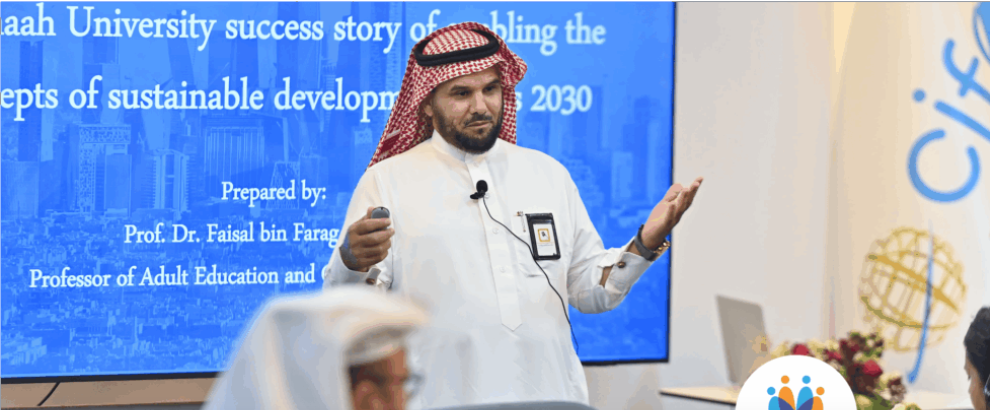
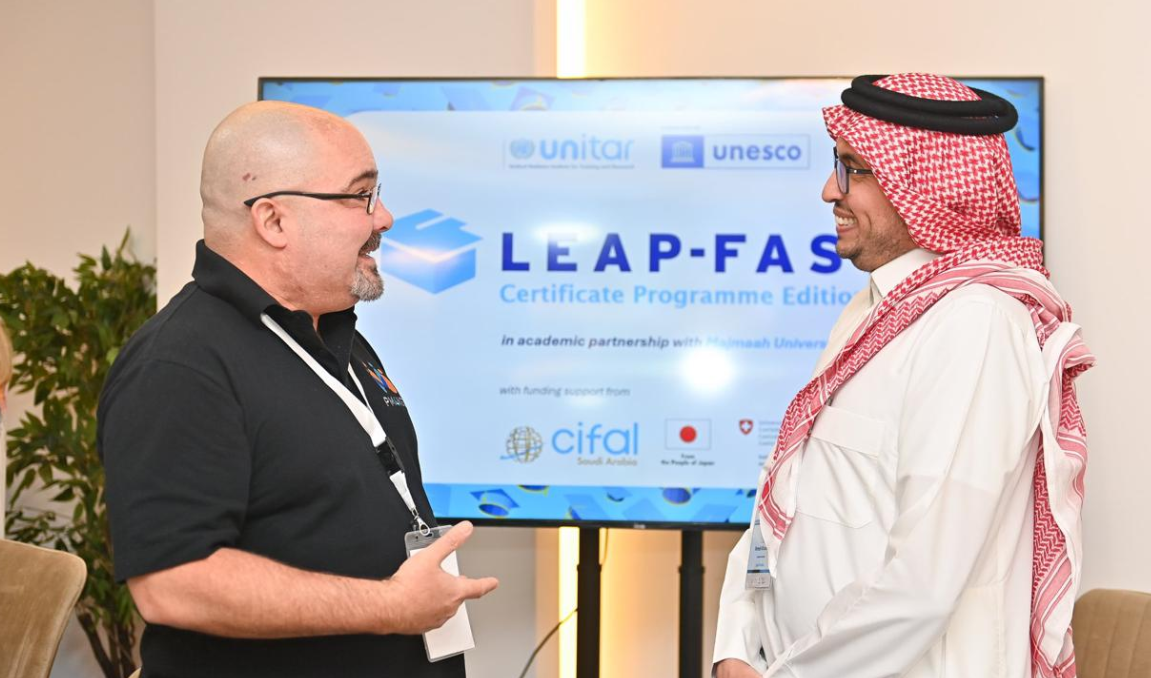
Over the past few days, I’ve had the privilege of attending the co-creation workshop of the UNITAR-UNESCO LEAP-FAST Certificate Programme (Leaders in Higher Education Alliance and Programme – For Accelerating Sustainability Transformations), hosted by Majmaah University in the Kingdom of Saudi Arabia.
This learning journey has been inspiring, rich in knowledge exchange, and deeply rooted in interdisciplinary and transdisciplinary co-creation. I’ve had the honor of working alongside professors and professionals from universities in Australia, Canada, Costa Rica, Ireland, Jamaica, Kenya, the Kingdom of Saudi Arabia, Mauritius, the Philippines, Qatar, Senegal, South Asia, and Turkey.
As we approach the final of the co-creation workshop, it is nearly impossible to summarize all that I’ve learned. However, one moment I would like to highlight is today’s powerful presentation by Dr. Faisal bin Farag Almutairi, who led the SDGs Programme (now CIFAL Saudi Arabia) and who also serves as the PM4NGOs Champion for the Kingdom of Saudi Arabia.
In his presentation, Dr. Faisal offered a compelling metaphor:
As we move forward with sustainability initiatives, we must navigate both headwinds and tailwinds.
Headwinds push against us, slow us down, and challenge our progress – but with collective strength and perseverance, we can overcome them.
Tailwinds, on the other hand, propel us forward – but without direction and guidance, they can easily lead us astray. That’s where the Sustainable Development Goals (SDGs) come in: a compass to align our work and keep us on course.
I leave this workshop with that image firmly in my mind – not only thinking about how we can further embed the SDGs into PM4NGOs’ work, best practices, and projects – but also reflecting on the importance of recognizing the winds we face. We must overcome those that hold us back while ensuring we are guided wisely when momentum is on our side.
I want to express my deepest gratitude to Majmaah University and Dr. Faisal Almutairi for the generous invitation and for this transformative opportunity. It has been a remarkable learning experience and a meaningful step forward in connecting PM4NGOs with universities and sustainability leaders across the globe.
Outreach and Lifelong Learning Programs for the Community
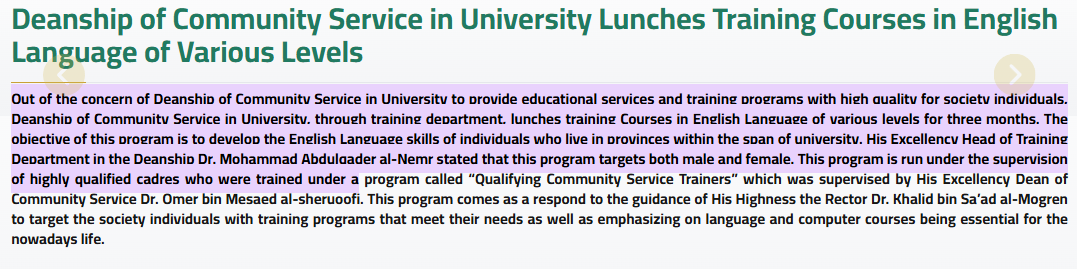
Beyond one-off events, MU provides ongoing outreach programs and non-degree courses to empower alumni and underserved groups with education throughout life. The university’s Deanship of Community Service spearheads many such initiatives. As early as 2012, MU launched free community training courses in essential skills – for example, a three-month English language program offered across provinces in the university’s region mu.edu.sa. “The objective of this program is to develop the English language skills of individuals who live in [the university’s surrounding] provinces,” explained the Community Service Dean, noting it was open to both men and women and taught by qualified instructors mu.edu.sa. These language courses help local residents (including alumni or job-seekers) improve their communication skills, enhancing their integration into the workforce and enabling them to access global SDG knowledge (since English is often the medium of international development resources). MU leadership specifically emphasized offering language and computer courses as “essential for modern life,” urging that community training programs meet local needs in these areas mu.edu.sa. This early outreach laid groundwork for MU’s continuing education culture.
Deanship of Community Service in University Lunches Training Courses in English Language of Various Levels
Out of the concern of Deanship of Community Service in University to provide educational services and training programs with high quality for society individuals, Deanship of Community Service in University, through training department, lunches training Courses in English Language of various levels for three months. The objective of this program is to develop the English Language skills of individuals who live in provinces within the span of university. His Excellency Head of Training Department in the Deanship Dr. Mohammad Abdulqader al-Nemr stated that this program targets both male and female. This program is run under the supervision of highly qualified cadres who were trained under a program called “Qualifying Community Service Trainers” which was supervised by His Excellency Dean of Community Service Dr. Omer bin Mesaed al-sheruoofi. This program comes as a respond to the guidance of His Highness the Rector Dr. Khalid bin Sa’ad al-Mogren to target the society individuals with training programs that meet their needs as well as emphasizing on language and computer courses being essential for the nowadays life.
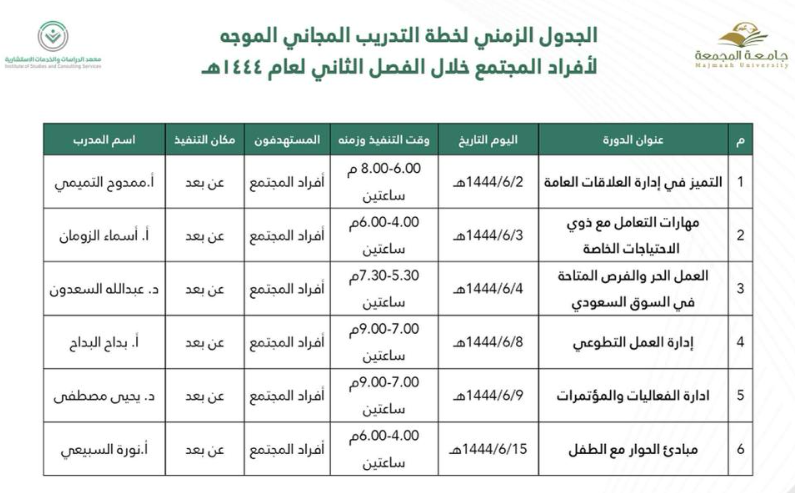
In recent years, MU has expanded free training opportunities in direct support of sustainable development. In 2023, the Institute of Studies and Consulting Services announced “free programs…offered to the local community and university students, both face-to-face and online.” These programs aimed to “raise community awareness and equip [participants] with necessary skills for the labor market.” They featured three tracks – an economic track, a social track, and a psychological/self-development track – covering a comprehensive range of competencies mu.edu.sa mu.edu.sa. By addressing economic skills (like entrepreneurship or financial literacy), social issues (like civic engagement or family well-being), and personal resilience, these courses directly advance multiple SDGs (e.g. SDG4 Quality Education, SDG8 Decent Work, SDG3 Health). Community members could easily register online for these free courses mu.edu.sa, reflecting MU’s commitment to lifelong learning for all, including those who may not be formal students.
Free programs for local community and university students
The Institute of Studies and Consulting Services at MU is pleased to announce that free programs are offered to the local community and university students, both face-to-face and online.
The programs aim to raise community awareness and equip students with the necessary skill for the labor market. The programs feature three tracks: economic track, social track, and psychological and self-support track.
To register in local community courses:
To register in courses for students:
https://linktr.ee/sustatinable
MU’s outreach programs intentionally target underserved populations. The Community Service Deanship designs offerings for those who cannot access traditional higher education. Programs are often scheduled in evenings or online to accommodate working adults and are provided at no cost to reduce barriers. Through its “Qualifying Community Service Trainers” initiative, MU even trains its own staff and volunteers to deliver community courses at high quality mu.edu.sa. This train-the-trainer model ensures sustainability and local relevance of programs. The scope of topics is broad: in addition to languages and IT, MU has provided vocational and technical training aligned with local economic needs, and awareness workshops on social issues like family health, disability inclusion, and public safety through its Social Responsibility Observatory mu.edu.sa mu.edu.sa. For example, the Observatory’s Family and Childhood Center and Special Needs Services Center run educational sessions for families and people with disabilities in the community mu.edu.sa, embodying the SDG principle of leaving no one behind.
The Social Responsibility Observatory
The field of social responsibility is one of the important areas and urgent responsibilities for universities due to the nature of their work, their goals, their mission, and their influential role in communities, as well as their ability to address local community issues. In addition to their main role in admitting and graduating students and conducting scientific research, universities have to establish a high-level administrative body to act as the arm that organizes and oversees the university’s role in activating social responsibility and achieving its goals.
In this regard, the university has established a Social Responsibility Observatory to serve as the arm that supports the university in fulfilling its role in the field of social responsibility. The observatory is responsible for managing this area by implementing initiatives that achieve the university's objectives in social responsibility.
The observatory consists of several centers and supporting units, including the Family and Childhood Center, the Special Needs Services Center, the Voluntary Work Center, the Awareness and Education Unit, the Community Engagement Unit, and the Local Development Programs Unit.
Vision: To achieve leadership in developing social responsibility programs.
Mission: The Social Responsibility Observatory aims to enhance the university's role in the community by activating social responsibility.
Alumni are also considered an integral part of MU’s community. The university’s Alumni Portal and continuous learning programs encourage graduates to return for upskilling opportunities mu.edu.sa. Alumni frequently participate in public workshops and volunteer initiatives, acting as both learners and role models. By opening its educational resources to alumni and local residents alike, MU fosters a culture of lifelong learning that drives progress on SDGs long after formal graduation.
Supporting Displaced Populations and Refugees
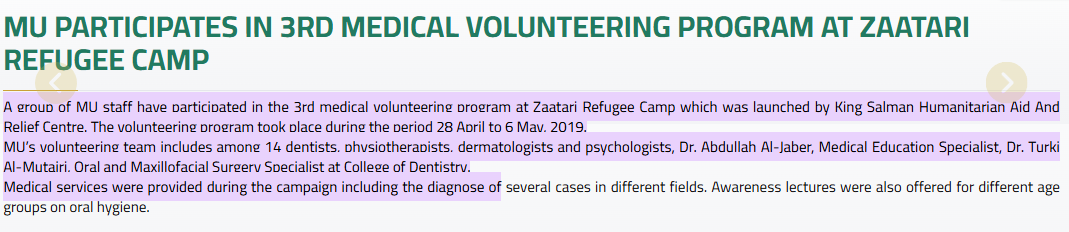
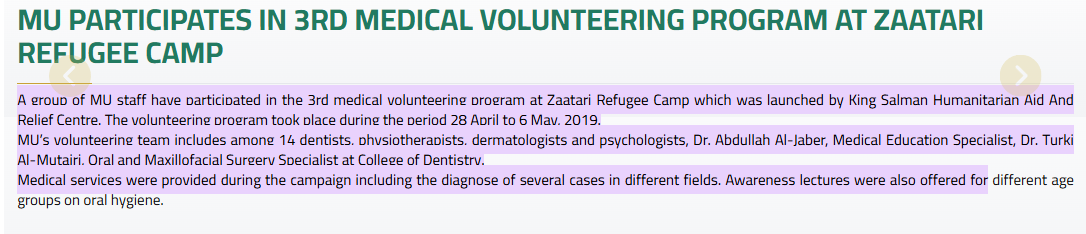
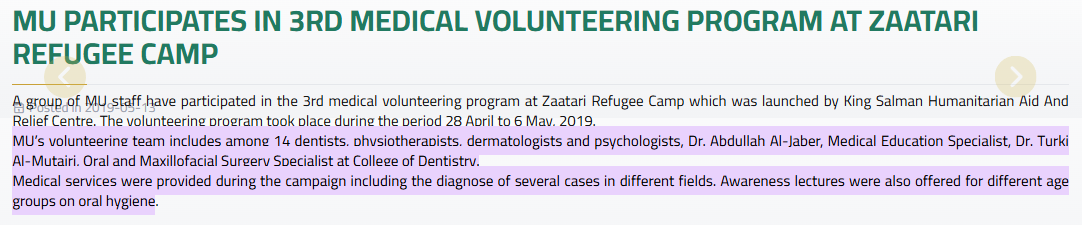
While Saudi Arabia has a limited resident refugee population, Majmaah University extends support to displaced people through targeted initiatives and by contributing its expertise to humanitarian efforts. A standout example is MU’s participation in international relief missions for refugees. In May 2019, a team of MU medical staff volunteered at the Zaatari Refugee Camp in Jordan – home to tens of thousands of Syrian refugees – as part of a program run by the King Salman Humanitarian Aid and Relief Centre. “A group of MU staff…participated in the 3rd medical volunteering program at Zaatari Refugee Camp,” which ran for over a week mu.edu.sa. MU’s team included dentists, physiotherapists, dermatologists, and psychologists from the university’s faculty mu.edu.sa. During this mission, the volunteers provided medical services and also delivered awareness lectures to refugees of various ages on topics like oral hygiene mu.edu.sa. These educational lectures are crucial for preventative health and reflect SDG3 (health) and SDG6 (clean water/sanitation) knowledge transfer in a refugee context. By sharing health literacy and care with displaced families, MU’s staff contributed to improving well-being in one of the world’s largest refugee settlements.
Additionally, MU’s commitment to integration and capacity-building means that if displaced individuals reside in its region, they can benefit from the same community programs as locals. The free language courses and vocational trainings described earlier are inclusive of “all society individuals” mu.edu.sa – which would encompass displaced persons or refugees living in the area. Language training (Arabic or English) is particularly valuable for non-native speakers in integrating socially and economically. Although Saudi Arabia does not host formal refugee camps internally, MU does host many international students and scholars; the university’s International Student Affairs Department and Arabic language programs help newcomers adapt to local society and culture. Such efforts mirror the goals of SDG4 (inclusive education) and SDG10 (reduced inequalities) by ensuring education reaches those uprooted by conflict or crisis.
On a global level, MU contributes knowledge toward solving displacement issues through research and international collaboration. Faculty from MU have studied refugee healthcare access and the plight of internally displaced persons (publishing insights in journals) mjhs-mu.org, thereby feeding into evidence-based solutions. The university’s engagement in forums like the LEAP-FAST program (with UNESCO/UNITAR) also addresses themes of “sustainability and resilience,” implicitly benefiting communities affected by conflict and displacement by training leaders who can tackle these challenges pm4ngos.org. In summary, whether through on-the-ground volunteering in refugee camps or inclusive local education initiatives, Majmaah University strives to extend the benefits of SDG education to displaced populations, helping them acquire language skills, health knowledge, and opportunities for better integration.
Student and Faculty Involvement in Community SDG Education
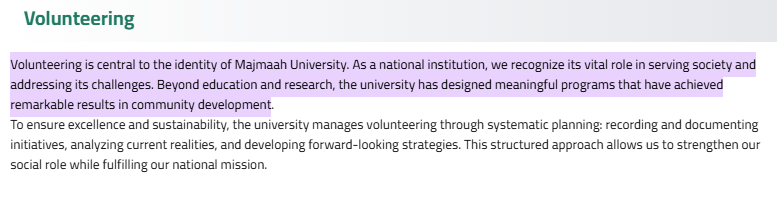
MU’s outreach success is driven by the active involvement of its students and faculty in delivering SDG-related education beyond the classroom. Volunteering and community service are central to MU’s identity, encouraged as part of the student experience mu.edu.sa. The university has institutionalized structures – such as a Volunteer Work Center and the Social Responsibility Observatory – that coordinate student and staff volunteer efforts for maximum impact mu.edu.sa mu.edu.sa. These bodies organize student volunteering campaigns on issues from public health to environmental clean-ups.
Many community education projects are student-led or co-delivered by students under faculty supervision. For example, in local health outreach (SDG3), medical and health sciences students frequently join faculty to run free clinics and awareness drives in villages around Majmaah. MU reports dozens of such outreach programs: in a recent year, 59 blood donation campaigns across the region were organized with 220 university volunteers and 59 doctors participating mu.edu.sa. Similarly, teams conducted 13 health checkup campaigns for the elderly, mobilizing student volunteers alongside medical staff to reach senior citizens in 13 different locations mu.edu.sa. In 23 health awareness campaigns (many held online during pandemic times), MU volunteers reached an audience of over 7,400 community members with educational materials mu.edu.sa. These numbers demonstrate significant student/faculty effort devoted to improving community well-being and knowledge. The inclusion of students not only multiplies the manpower for outreach but also serves an educational purpose for the students themselves – giving them real-world experience in societal engagement, aligned with SDG4 (quality education) targets on education for sustainable development.
The Social Responsibility Observatory
The field of social responsibility is one of the important areas and urgent responsibilities for universities due to the nature of their work, their goals, their mission, and their influential role in communities, as well as their ability to address local community issues. In addition to their main role in admitting and graduating students and conducting scientific research, universities have to establish a high-level administrative body to act as the arm that organizes and oversees the university’s role in activating social responsibility and achieving its goals.
In this regard, the university has established a Social Responsibility Observatory to serve as the arm that supports the university in fulfilling its role in the field of social responsibility. The observatory is responsible for managing this area by implementing initiatives that achieve the university's objectives in social responsibility.
The observatory consists of several centers and supporting units, including the Family and Childhood Center, the Special Needs Services Center, the Voluntary Work Center, the Awareness and Education Unit, the Community Engagement Unit, and the Local Development Programs Unit.
Vision: To achieve leadership in developing social responsibility programs.
Mission: The Social Responsibility Observatory aims to enhance the university's role in the community by activating social responsibility.
Strategic Objectives:
· To develop and enrich knowledge in the field of social responsibility as a cornerstone for sustainable development in the community.
· To work on activating social responsibility practices among university members.
· To implement social initiatives through partnerships with governments, private, and non-profit sector institutions, and to coordinate with relevant university entities.
· To contribute to finding scientific solutions to enhance social responsibility in the community through programs that achieve sustainable development.
· To develop the skills and personal capabilities of university members (both genders) and to leverage them for community service, in collaboration with all relevant university sectors.
· To engage with various community issues in a way that contributes to fostering a positive national sense among community members.
· To establish and strengthen cooperative relationships between the observatory and other observatories at the Gulf, Arab, and global levels.
Activities and Events:
As part of the operational plan, the Social Responsibility Observatory works on delivering high-quality development programs, initiatives, and projects. The observatory's activities include a variety of developmental, awareness-raising, and training programs, as well as health services, consultations, studies, and community engagement. These activities target all segments of the community, including families, children, the elderly, and individuals with special needs, within the geographic scope of the university.
Health Programs:
A. Blood Donation Campaigns:
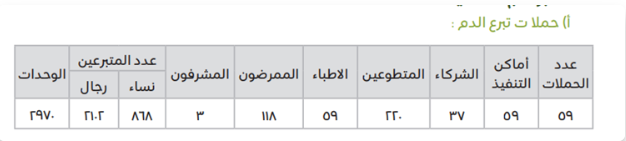
· Number of campaigns: 59
· Locations 59
· Partners 37
· Volunteers 220
· Doctors 59
· Nurses 118
· Supervisors 3
Number of donors:
· Women 868
· Men 2102
· Execution units 2970
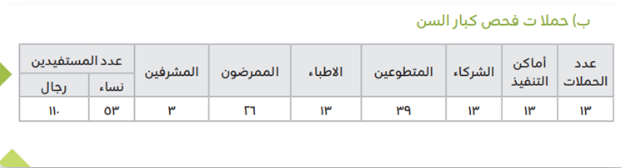
B. Senior Citizens' Health Checkup Campaigns:
· Number of campaigns: 13
· Locations 13
· Partners 13
· Volunteers 39
· Doctors 13
· Nurses 26
· Supervisors 3
Number of donors:
· Women 53
· Men 110
C. Health Awareness and Education
· Number of campaigns: 23
· Locations online
· Partners 12
· Volunteers 92
· Doctors 23
· Nurses 23
· Supervisors 5
· Number of donors: 7420
Faculty expertise is another crucial resource that MU extends to the community. Professors regularly give public talks or serve as trainers in workshops. For instance, engineering faculty supervised teams of students in the University Innovation Challenge for Sustainable Development, a nationwide competition to develop innovations toward the SDGsmu.edu.sa. By guiding students and showcasing their projects (which won top awards)mu.edu.samu.edu.sa, faculty helped translate academic learning into practical solutions for the community, illustrating SDG9 (innovation) and SDG8 (decent work) in action. Faculty from the College of Education similarly deliver community lectures on topics like lifelong learning, early childhood education, and women’s empowerment, often in partnership with local schools or civic groups. Through such pro-bono teaching, MU educators directly inform and empower citizens outside the university.
MU rector awards College of Engineering in Innovation Challenge Program
MU rector, Prof. Saleh Al-Mizil, awarded the College of Engineering for winning first and third place in the finals of innovation challenge.
The University Innovation Challenge Program for Sustainable Development was organized by the Ministry of Education in partnership with Prince Mohammed bin Salman College of Management and Entrepreneurship, Babson College for Entrepreneurship Education, and the United Nations Development Program. It aims to enhance cooperation between universities, centers, and institutes of entrepreneurship to achieve sustainable development goals and the goals of the Kingdom’s Vision 2030.
The first place was won by the students Saud Al-Obaid, Iyad Al-Falih and Muhammad Al-Mutairi under the supervision of Dr. Abdulaziz Al-Mutairi, and the project was the S-T-S Learning System.
The third place was won by the students Abdullah Al-Bahlal, Hamad Al-Duwaihi, and Abdulaziz Al-Rukban under the supervision of Dr. Nayef Al-Baqmi, and the project was Masharb.
The dean, Dr. Saleh Al-Dahsh highlighted the importance of harnessing students’ innovative ideas and supporting them to reach the highest levels and turning these projects into products of economic value to contribute to achieving the Kingdom’s 2030 vision
MU’s student clubs and societies also take initiative to spread SDG awareness. Besides the Sustainable Development Club’s campus activities, groups like the Rafa’a Health Club train student volunteers to provide emergency first-aid and health education in community events mu.edu.sa. Other clubs organize tree-planting drives (supporting SDG15 Life on Land) or literacy campaigns (SDG4 Quality Education) in nearby towns. The university supports these efforts through mentoring and resources, recognizing outstanding contributions. In fact, MU’s emphasis on volunteerism earned the university’s General Administration of Services the “Shield of Excellence in Empowering Volunteer and Community Work” in 2024 mu.edu.sa. This national award (received on Saudi Volunteer Day) lauded MU’s excellence in creating community initiatives aligned with Vision 2030’s volunteerism goals mu.edu.sa. The recognition was made possible by countless hours of service from students and staff alike. It underscores that MU’s people are directly delivering SDG education and services on the ground, from refugee camps abroad to neighborhoods at home.
Rafa'a Club
Vision:
Engage in initiatives of positive value to frame humanitarian and volunteer work in the health field to enhance sustainable development
Mission:
This club is keen to provide immediate response to emergencies, and enhance the value of humanitarian and volunteer work
Objectives:
1- Promoting the culture of health volunteering: spreading awareness of the importance of volunteer work in the health field, and encouraging students to participate effectively.
2- Empowering volunteers: training and qualifying students to be able to provide emergency and awareness health services with high efficiency.
3- Responding to emergencies: providing first aid services in cases of crises and emergencies inside and outside the university.
4- Geographic expansion: expanding the scope of the club's work to include various locations inside and outside the university, to ensure that volunteer health services reach the largest number of beneficiaries.
5- Building partnerships: cooperating with governmental and private bodies and health associations to enhance resources and achieve the desired community impact.
6- Health awareness and education: Organizing workshops, awareness campaigns, and training programs to enhance health knowledge in the community.
7- Providing support to health institutions: Supporting hospitals and clinics during peak times through qualified volunteer teams.
8- Developing volunteer skills: Conducting training programs in the fields of first aid, health care, and emergency management to ensure the provision of high-quality services.
9- Achieving sustainability: Developing plans to ensure the continuity of the club's activities and voluntary health initiatives in an effective and sustainable manner.
10- Contributing to achieving sustainable development goals: Supporting the third goal of the United Nations Sustainable Development Goals (good health and well-being) by providing voluntary health services that contribute to improving the quality of life.
11- Providing health support for various university activities: (sports participation, official events, final exam times, etc.).
Excellence in community volunteering
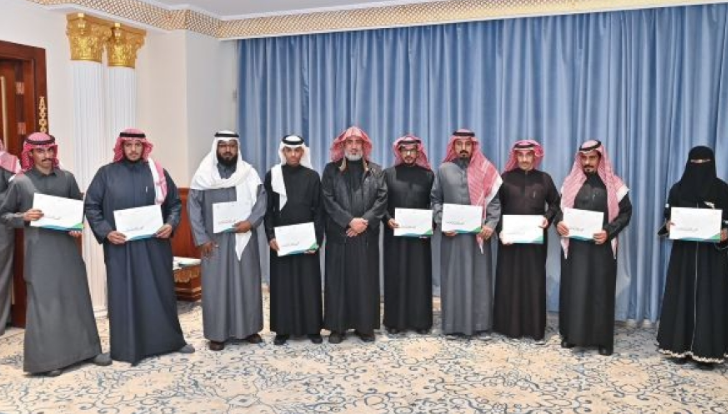
The General Administration of Services won the Shield of Excellence in Empowering Volunteer and Community Work for the year 2024 on the International and Saudi Volunteer Day. The Administration won it in recognition of its excellence in creating a community work to achieve one of the goals of the Kingdom's Vision 2030 for volunteer work. The Volunteer Center also honored a number of employees of the General Administration of Services for their prominent role in empowering volunteer and community work for the year 2024.
Partnerships with Government, NGOs, and International Organizations
Collaboration is a hallmark of Majmaah University’s approach to community SDG education. The university actively partners with local government, non-profits, and global organizations to broaden the scale and impact of its programs. Locally, MU works with municipalities and government bodies to support sustainable development projects. For example, MU researchers and students collaborate with city officials on urban sustainability and public space improvements (SDG11). “Majmaah University collaborates with local municipalities and government bodies to participate in urban sustainability projects,” contributing academic expertise to improve infrastructure, green spaces, and transport systems in line with SDG targets mu.edu.sa. These partnerships ensure that the university’s knowledge directly informs community development plans, and they often involve joint workshops or training for municipal staff on sustainability best practices.

On the national stage, MU aligns closely with government initiatives for human capacity development and relief. Its partnership with the King Salman Humanitarian Aid and Relief Centre enabled the volunteer missions to the Zaatari Camp, as noted, combining the strengths of a government-funded NGO with MU’s medical expertise mu.edu.sa. MU also engages with the Ministry of Education on programs like the Innovation Challenge for Sustainable Development, which was co-organized by the Ministry, UNDP, and other educational institutions mu.edu.sa. By doing so, MU helps drive national SDG agendas, whether in entrepreneurship, education, or public health, and shares resources across institutions.
MU rector awards College of Engineering in Innovation Challenge Program
MU rector, Prof. Saleh Al-Mizil, awarded the College of Engineering for winning first and third place in the finals of innovation challenge.
The University Innovation Challenge Program for Sustainable Development was organized by the Ministry of Education in partnership with Prince Mohammed bin Salman College of Management and Entrepreneurship, Babson College for Entrepreneurship Education, and the United Nations Development Program. It aims to enhance cooperation between universities, centers, and institutes of entrepreneurship to achieve sustainable development goals and the goals of the Kingdom’s Vision 2030.
The first place was won by the students Saud Al-Obaid, Iyad Al-Falih and Muhammad Al-Mutairi under the supervision of Dr. Abdulaziz Al-Mutairi, and the project was the S-T-S Learning System.
The third place was won by the students Abdullah Al-Bahlal, Hamad Al-Duwaihi, and Abdulaziz Al-Rukban under the supervision of Dr. Nayef Al-Baqmi, and the project was Masharb.
The dean, Dr. Saleh Al-Dahsh highlighted the importance of harnessing students’ innovative ideas and supporting them to reach the highest levels and turning these projects into products of economic value to contribute to achieving the Kingdom’s 2030 vision
Internationally, Majmaah University’s role is growing through alliances with UN agencies and NGOs. Being part of the UNITAR CIFAL network situates MU among global training centers for Agenda 2030. Through CIFAL, MU has signed agreements with bodies like UNESCO and leading universities abroad to develop joint curricula on sustainable development. In 2025, MU proudly hosted the co-creation workshop for the UNITAR–UNESCO LEAP-FAST programme, gathering experts from 15+ countries to design a leadership certificate in sustainability pm4ngos.org. Participants praised MU for creating a “rich knowledge exchange…deeply rooted in interdisciplinary co-creation” during the event pm4ngos.org. Such cooperation not only enhances MU’s programs but also positions the university as a regional node connecting global sustainability efforts with local communities.
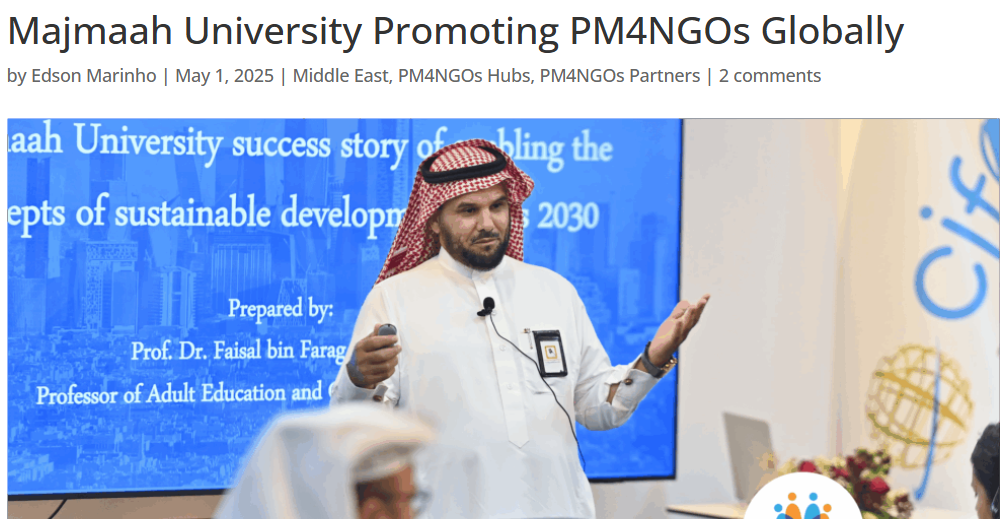
Moreover, MU works with specialized NGOs to integrate professional development into SDG education. For instance, MU has partnered with PM4NGOs, an international nonprofit focusing on project management for NGOs. MU’s CIFAL center leader, Dr. Faisal Al-Mutairi, also serves as PM4NGOs’ country champion, and under his guidance MU is helping embed the SDGs into NGO project management practices pm4ngos.org pm4ngos.org. The result is a two-way benefit: MU brings cutting-edge methodologies to its community training (e.g. teaching local project leaders how to manage SDG-related initiatives effectively), and at the same time MU contributes to global capacity-building networks by sharing its experiences and models.
In summary, strategic partnerships amplify MU’s impact. Working hand-in-hand with government ministries, local authorities, humanitarian organizations, and UN programs, MU is able to deliver SDG education to broader audiences than it could reach alone. These collaborations also lend credibility and resources – from funding to expertise – that enhance the quality of workshops and courses offered to the community. Whether it’s a joint training program with NEOM on sustainable urban development mu.edu.sa or an international forum with UNITAR, the partnerships ensure that MU’s community engagement is relevant, up-to-date, and aligned with both national priorities and global best practices.
Majmaah University’s wide-ranging community education efforts around the SDGs have led to tangible outcomes and recognition. The impact can be seen in the number of beneficiaries reached, the skills imparted, and the positive changes in the community. Through dozens of health campaigns, for example, MU improved health awareness for thousands of residents – over 7,000 people were engaged in one series of online/offline health education sessions alone mu.edu.sa. Blood donation drives organized by the university not only collected life-saving blood from over 2,900 donors, but also ingrained a culture of civic responsibility in volunteers and donors alike mu.edu.sa mu.edu.sa. Likewise, free training courses have upskilled hundreds of community members. Many participants of the 2023 free program tracks have reported improved employment prospects due to the economic skills track, or better family well-being thanks to knowledge gained in the social and self-development tracks (as indicated by program feedback). By tracking enrollments and feedback, MU’s Institute of Consulting Services continuously evaluates these outcomes to refine future offerings.
Activities and Events:
As part of the operational plan, the Social Responsibility Observatory works on delivering high-quality development programs, initiatives, and projects. The observatory's activities include a variety of developmental, awareness-raising, and training programs, as well as health services, consultations, studies, and community engagement. These activities target all segments of the community, including families, children, the elderly, and individuals with special needs, within the geographic scope of the university.
Health Programs:
A. Blood Donation Campaigns:
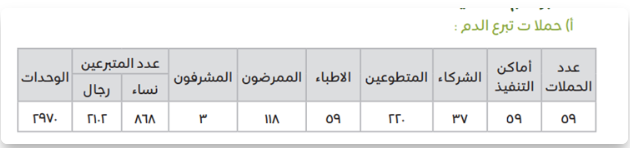
· Number of campaigns: 59
· Locations 59
· Partners 37
· Volunteers 220
· Doctors 59
· Nurses 118
· Supervisors 3
Number of donors:
· Women 868
· Men 2102
· Execution units 2970
The university’s contributions to vulnerable groups have equally meaningful results. In the Zaatari refugee mission, MU doctors treated numerous patients and noted improved oral hygiene practices among refugees who attended the awareness lectures – a small but significant step for public health in the camp mu.edu.sa. Such missions also deepen the humanitarian values and experience of MU’s staff, which in turn enriches their teaching and volunteerism back home. There is a ripple effect: students who volunteer locally often continue service after graduation, forming a network of alumni who support community development projects (some have even initiated their own NGOs). MU’s alumni office reports that many graduates credit the university’s community engagement programs for inspiring them to pursue careers in social work, education, or sustainable business, thereby magnifying the long-term impact of MU’s SDG education ethos.
In recognition of these efforts, Majmaah University has earned accolades that underscore its impact. In late 2024, MU was awarded the “Shield of Excellence in Empowering Volunteer and Community Work” at a national volunteer day ceremony mu.edu.sa. This award honored MU’s General Administration of Services and Volunteer Center for effectively mobilizing volunteers to achieve Vision 2030 and SDG objectives in the community mu.edu.sa. Internationally, MU’s leadership in sustainability education was highlighted when it hosted the LEAP-FAST workshop – participants and partner organizations lauded MU’s role in connecting “universities and sustainability leaders across the globe” in a meaningful learning experience pm4ngos.org. Such recognition not only validates the university’s approaches but also enhances its reputation, enabling it to forge even stronger partnerships and attract resources for future community initiatives.
Excellence in community volunteering
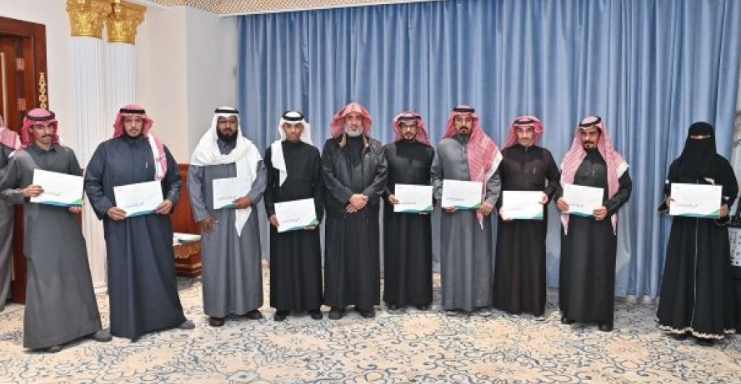
The General Administration of Services won the Shield of Excellence in Empowering Volunteer and Community Work for the year 2024 on the International and Saudi Volunteer Day. The Administration won it in recognition of its excellence in creating a community work to achieve one of the goals of the Kingdom's Vision 2030 for volunteer work. The Volunteer Center also honored a number of employees of the General Administration of Services for their prominent role in empowering volunteer and community work for the year 2024.
Crucially, MU is committed to measuring and reporting on its SDG-related outreach. The Social Responsibility Observatory produces an annual report tracking all community programs and their outcomes mu.edu.sa. These reports detail metrics like the number of programs delivered, participant demographics, volunteer hours contributed, and satisfaction levels. Continuous monitoring has shown year-on-year growth in community participation and an expansion of programs targeting different SDGs. For example, the 2022–2023 period saw new initiatives on poverty alleviation (SDG1) through skills workshops for low-income families mu.edu.sa, and a boost in environmental projects (SDG15) such as tree-planting drives in desert areas. By identifying gaps and successes, MU adapts its strategy to ensure all 17 SDGs are progressively covered in its community engagement portfolio. This adaptive management, coupled with external recognition and community feedback, demonstrates that MU’s approach to SDG education in the wider community is both impactful and continuously improving.
The Social Responsibility Observatory
The field of social responsibility is one of the important areas and urgent responsibilities for universities due to the nature of their work, their goals, their mission, and their influential role in communities, as well as their ability to address local community issues. In addition to their main role in admitting and graduating students and conducting scientific research, universities have to establish a high-level administrative body to act as the arm that organizes and oversees the university’s role in activating social responsibility and achieving its goals.
In this regard, the university has established a Social Responsibility Observatory to serve as the arm that supports the university in fulfilling its role in the field of social responsibility. The observatory is responsible for managing this area by implementing initiatives that achieve the university's objectives in social responsibility.
The observatory consists of several centers and supporting units, including the Family and Childhood Center, the Special Needs Services Center, the Voluntary Work Center, the Awareness and Education Unit, the Community Engagement Unit, and the Local Development Programs Unit.
Vision: To achieve leadership in developing social responsibility programs.
Mission: The Social Responsibility Observatory aims to enhance the university's role in the community by activating social responsibility.
Strategic Objectives:
· To develop and enrich knowledge in the field of social responsibility as a cornerstone for sustainable development in the community.
· To work on activating social responsibility practices among university members.
· To implement social initiatives through partnerships with governments, private, and non-profit sector institutions, and to coordinate with relevant university entities.
· To contribute to finding scientific solutions to enhance social responsibility in the community through programs that achieve sustainable development.
· To develop the skills and personal capabilities of university members (both genders) and to leverage them for community service, in collaboration with all relevant university sectors.
· To engage with various community issues in a way that contributes to fostering a positive national sense among community members.
· To establish and strengthen cooperative relationships between the observatory and other observatories at the Gulf, Arab, and global levels.
Majmaah University’s dedication to educating the wider community about the Sustainable Development Goals is comprehensive and exemplary. Through institutional commitment and strategic partnerships, MU has developed a rich array of programs – from high-profile forums and training sessions on sustainability to grassroots workshops and free courses – that reach students, alumni, local residents, and even refugees beyond its borders. Each of the 17 SDGs finds reflection in MU’s initiatives: whether it is quality education and gender equality promoted via public seminars, good health and well-being advanced through medical outreach, decent work and economic growth fostered via entrepreneurship training, or climate action and environmental stewardship encouraged through community campaigns. Importantly, MU involves its own students and faculty at every step, creating a virtuous cycle where academic expertise fuels community progress and community engagement enriches academic life.
The impact of these efforts is evident in the thousands of people empowered with new knowledge and skills, the stronger social ties and awareness in the Majmaah region, and the accolades the university has earned as a leader in social responsibility and sustainability. MU’s experiences also contribute to global learning on how universities can drive the SDGs beyond campus. By “strengthening its partnership with the wider community” and launching programs that serve “every member of our community – including people with special needs” in an inclusive manner mu.edu.sa mu.edu.sa, Majmaah University exemplifies the role of higher education in achieving sustainable development.
Moving forward, MU remains committed to expanding education for sustainable development, ensuring that no segment of society is left behind. With continued outreach to underserved groups, ongoing collaboration with government and international agencies, and a deep institutional passion for volunteerism and community service, Majmaah University will persist as a beacon of “education for the SDGs” – helping transform both its local community and contributing to the global goals for 2030 and beyond.
مشاركة على منصات التواصل الاجتماعي المختلفة
هل أعجبك محتوى الصفحة؟
0 من الزوار الذين أعجبوا بمحتوى الصفحة

0%
مؤشر رضا الزوار

130
عدد زوار الصفحة
ملفات تعريف الارتباط
يستخدم هذا الموقع ملفات تعريف الارتباط، ومن خلال الاستمرار في استخدام الموقع والمنصات التابعة له. فإنك توافق على سياسة الخصوصية واستخدام ملفات تعريف الارتباط الخاصة بنا المزيد ...