موقع حكومي رسمي تابع لحكومة المملكة العربية السعودية
تنتهي روابط الموقع الرسمي للحكومة السعودية بـ gov.sa
جميع روابط المواقع التعليمية الرسمية في المملكة العربية السعودية تنتهي بـ sch.sa أو edu.sa
تستخدم المواقع الحكومية HTTPS بروتوكولًا للتشفير والأمان.
المواقع الآمنة في المملكة العربية السعودية تستخدم بروتوكول HTTPS للتشفير.
مسجلة لدى هيئة الحكومة الرقمية تحت رقم::
20250804812


SDG 3.3.2Outreach programmes and projects in the local community
Updated 30/10/2025
3.3.2 Majmaah University’s Health and Well-Being Outreach Initiatives (SDG 3)
Majmaah University (MU) demonstrates a strong commitment to Good Health and Well-being (SDG 3) through diverse community outreach programs. These initiatives range from one-time awareness campaigns to recurring health services, all aimed at improving public health in the local region. The university aligns these efforts with Saudi Vision 2030 and national health agendasmu.edu.samu.edu.sa, emphasizing preventive care, healthy lifestyles, and support for all age groups in the community. Below is an overview of MU’s health outreach activities, target audiences, engagement methods, and the impact achieved over the past five academic years (2019–2024), demonstrating its contribution to SDG 3.
Mobile Medical Services
Majmaah University under the guidance of the Rector, Dr. Khaled Bin Saad Al-Muqren have equipped the Mobile Medical Services, which comes as an integral part of the medical services system at Majmaah University.
The University mobile medical services aim to achieve several objectives as under:
A. Participate in health awareness and education programs and events for the community.
B. Facilitate performing surveys to contribute to medical research in the various health colleges such as University Faculty of Medicine, Faculty of Applied Medical Sciences, Faculty of Dentistry, and others.
C. Participation in the provision of medical diagnostic and therapeutic services in coordination with various government firms such as the Ministry of Health and the Red Crescent.
D. Establishment of blood donation and comprehensive testing campaigns to serve all community members in general and other categories susceptible to certain diseases, such as children, elderly people and laborers.
E. Contribute to train university health colleges in various skills field training.
MU ORGANIZES BLOOD DONATION IN RESPONSE TO NATIONAL INITIATIVE
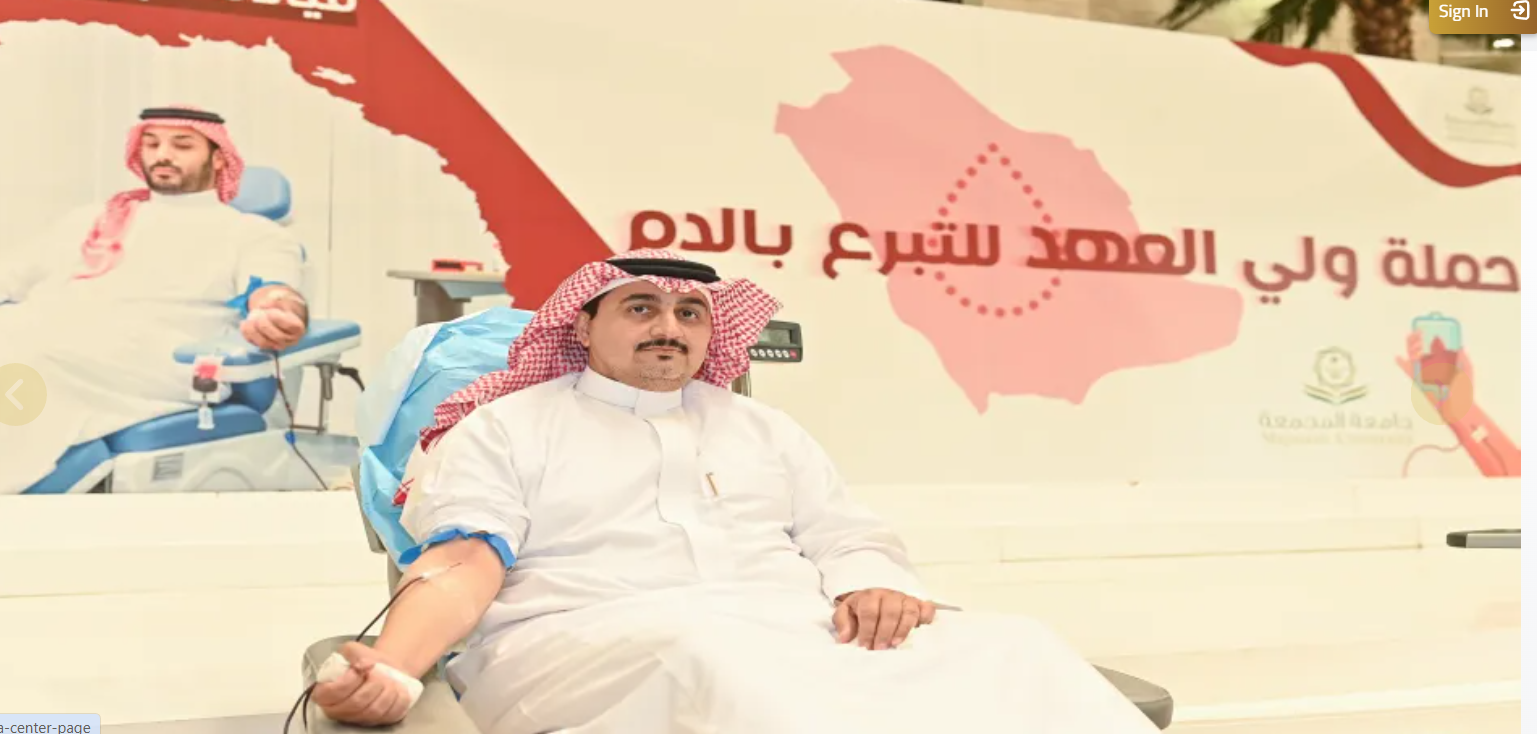
The University Health Facilities at MU launched a blood donation campaign in response to the call of His Royal Highness Prince Mohammed bin Salman bin Abdulaziz, Crown Prince and Prime Minister, as part of the annual national blood donation drive. The campaign was held under the patronage of MU Prof. Saleh Al-Mezal in cooperation with Hawtat Sudair Hospital.
This initiative reflects the University’s commitment to social responsibility and its support for national efforts to promote the culture of blood donation. By encouraging faculty, staff, students, and visitors to take part, the campaign highlights the life-saving impact of blood donation, its role in meeting the needs of blood banks, and its contribution to public health and humanitarian causes. It also reinforces MU’s dedication to fostering community partnership, charitable activities, and a spirit of solidarity.
The campaign drew enthusiastic donors who expressed their gratitude to the Kingdom’s leadership for its continued care for citizens and residents.
Types of Outreach Activities and Health Topics
MU delivers a wide range of health outreach activities addressing topics such as disease prevention, healthy lifestyle, and mental wellness. Many initiatives are ad hoc awareness events tied to global health days or local needs, while others are programmed recurring programs integrated into the university’s annual calendar. For example, MU’s colleges and centers regularly host awareness campaigns on chronic diseases like diabetes, often timed with World Diabetes Daymu.edu.sam.mu.edu.sa. These campaigns educate the public on prevention and early detection – in one case, over 60 university staff joined a 2019 diabetes awareness campaign that provided tips to prevent blood sugar spikes and educated community members about the diseasemu.edu.sa. The university also addresses women’s health: it has run multi-day breast cancer awareness campaigns in partnership with the Zahra Breast Cancer Society, featuring educational exhibitions, free screenings demonstrations, and lectures for women in the communitymu.edu.samu.edu.sa. Student-led initiatives likewise support national efforts, such as an October 2022 campaign on breast cancer awareness spanning three cities (Majmaah, Zulfi, and Remah) with informational videos, art activities, and lectures to encourage early detectionmu.edu.sa.
Awareness Campaign on Diabetes
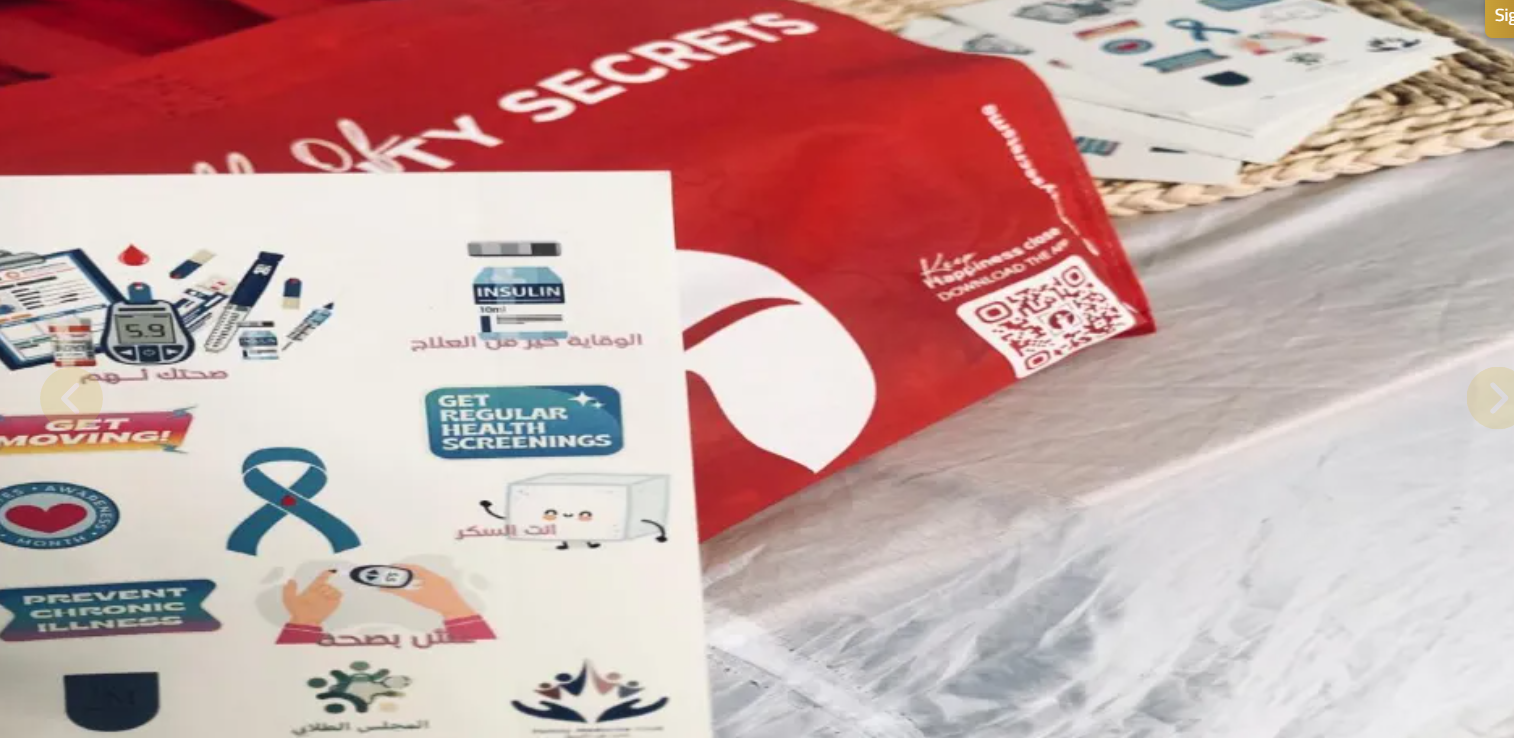
The Community Service Unit at the College of Science in Zulfi, in cooperation with Zulfi Public Hospital, held an awareness campaign on diabetes.
The aim of the campaign is to promote the culture of health awareness, provide tips on how to prevent blood sugar spikes and educate community members who don’t have diabetes about this disease.
over 60 staff from the university have participated in this campaign.
The Dean, Dr. Hani Al-Quhayz expressed his gratitude with this initiative which activates the role of social service and meets the needs of community members. Representatives of the hospital and the Saudi Charitable Association of Diabetes.
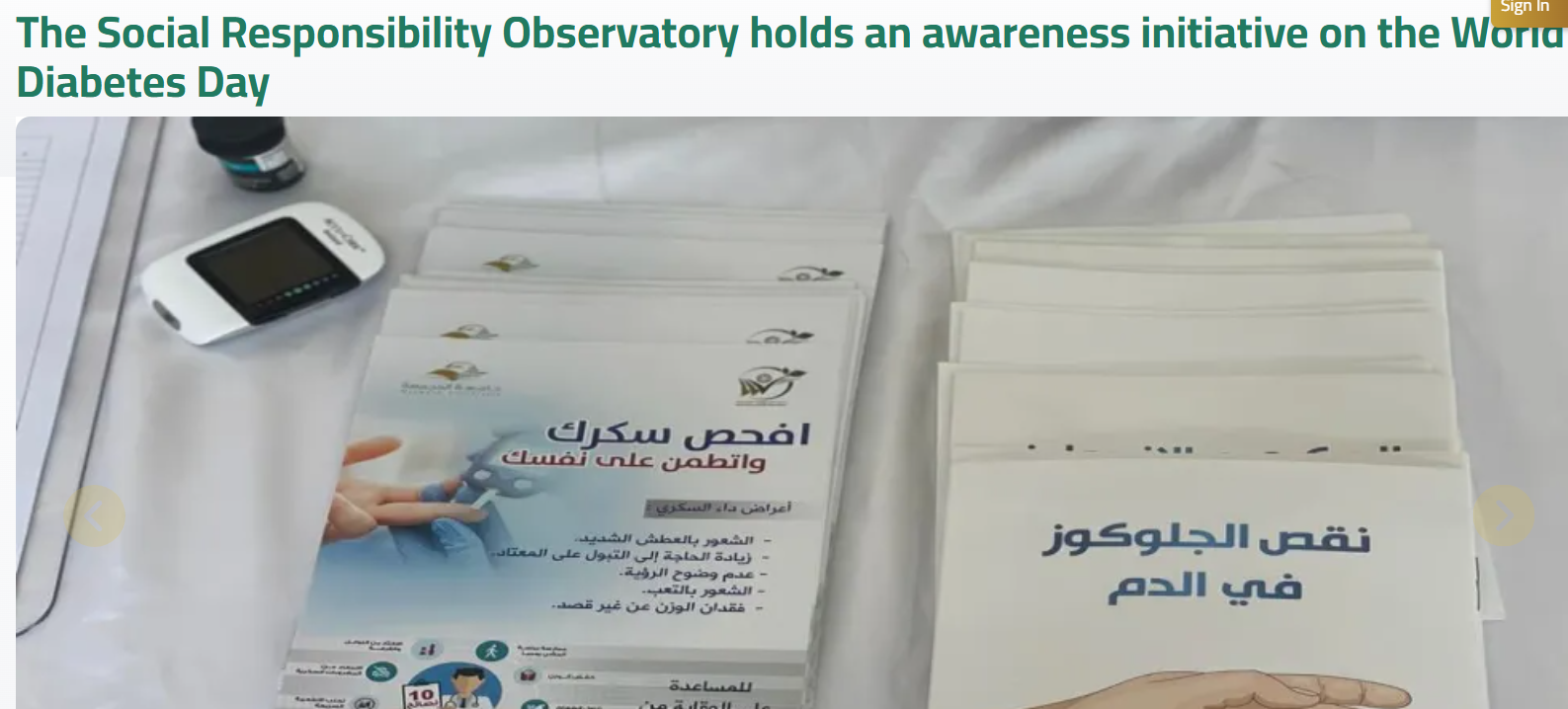
The Social Responsibility Observatory holds an awareness initiative on the World Diabetes Day
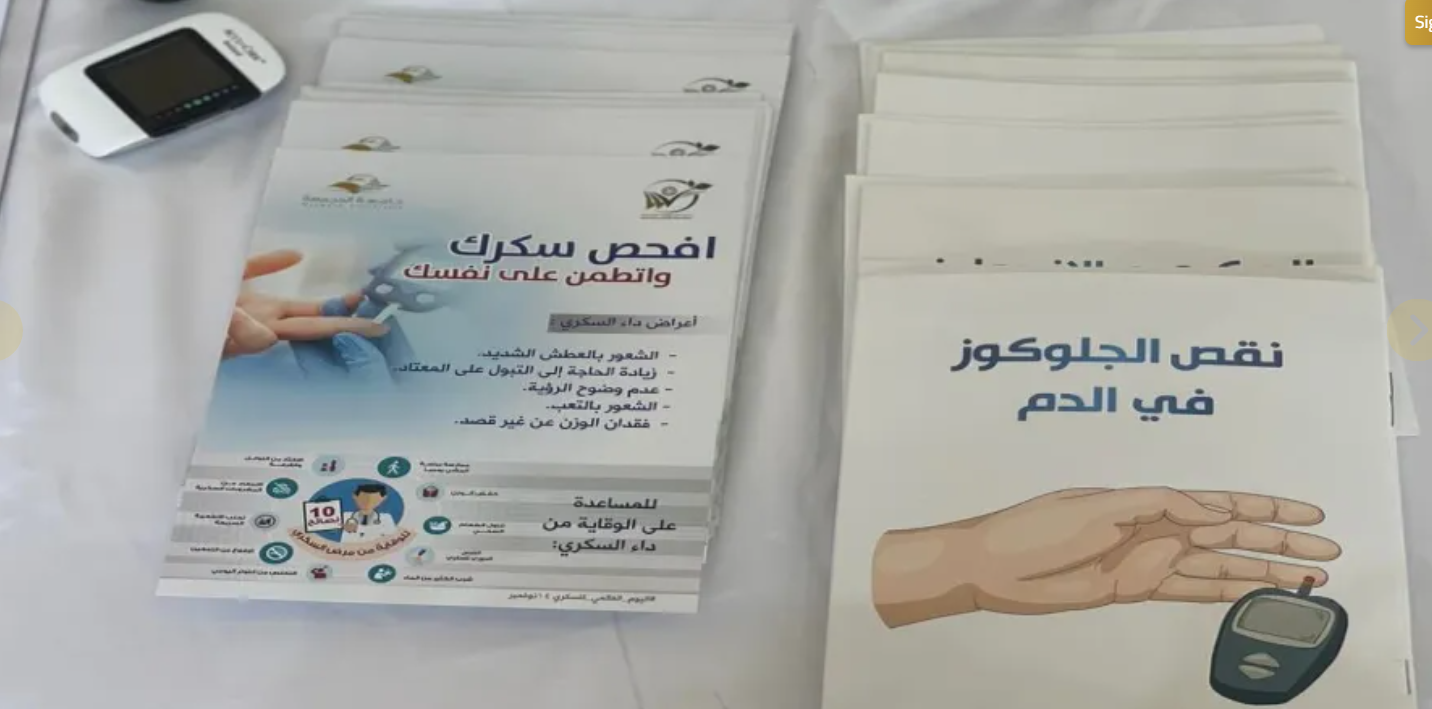
The Social Responsibility Observatory held an initiative on the importance of diagnosing diabetes on the World Diabetes Day, November 14.
Visitors to the initiative were randomly screened for blood sugar and educational leaflets were distributed to raise their awareness about diabetes. This initiative comes in line with the university’s orientations to open up to society with all its components.
NATIONAL AWARENESS CAMPAIGN AGAINST BREAST CANCER
In collaboration with the Breast Cancer Society (Zahra), Majmaah University has launched a national campaign for breast cancer awareness today morning that will continue for 5 days from 11/10/2015 to 15/10/2015. The campaign targets the women in society and particularly the female technical and administrative personnel at the University. An awareness exhibition about breast cancer, where detailed information about the campaign, its plan and ways of benefitting from it, will be held during the campaign from 9:00 am to 2 pm. Souvenirs will be distributed at the event. A practical explanation of how early tests are done for women will be explained in addition to awareness lectures and educational competitions that will be held from 12 pm to 1 pm during the 7 days of the campaign. It’s worth noting that the University conducted the first national campaign last year, which achieved great success through interaction with a great deal of community members who joined it from either inside or outside the University. This is a good indicator of the success of this campaign this year. Additionally, the organization of the campaign will contribute (God willing) to the popularity and participation this year.
The college students participate in October Campaign for Breast Cancer Awareness
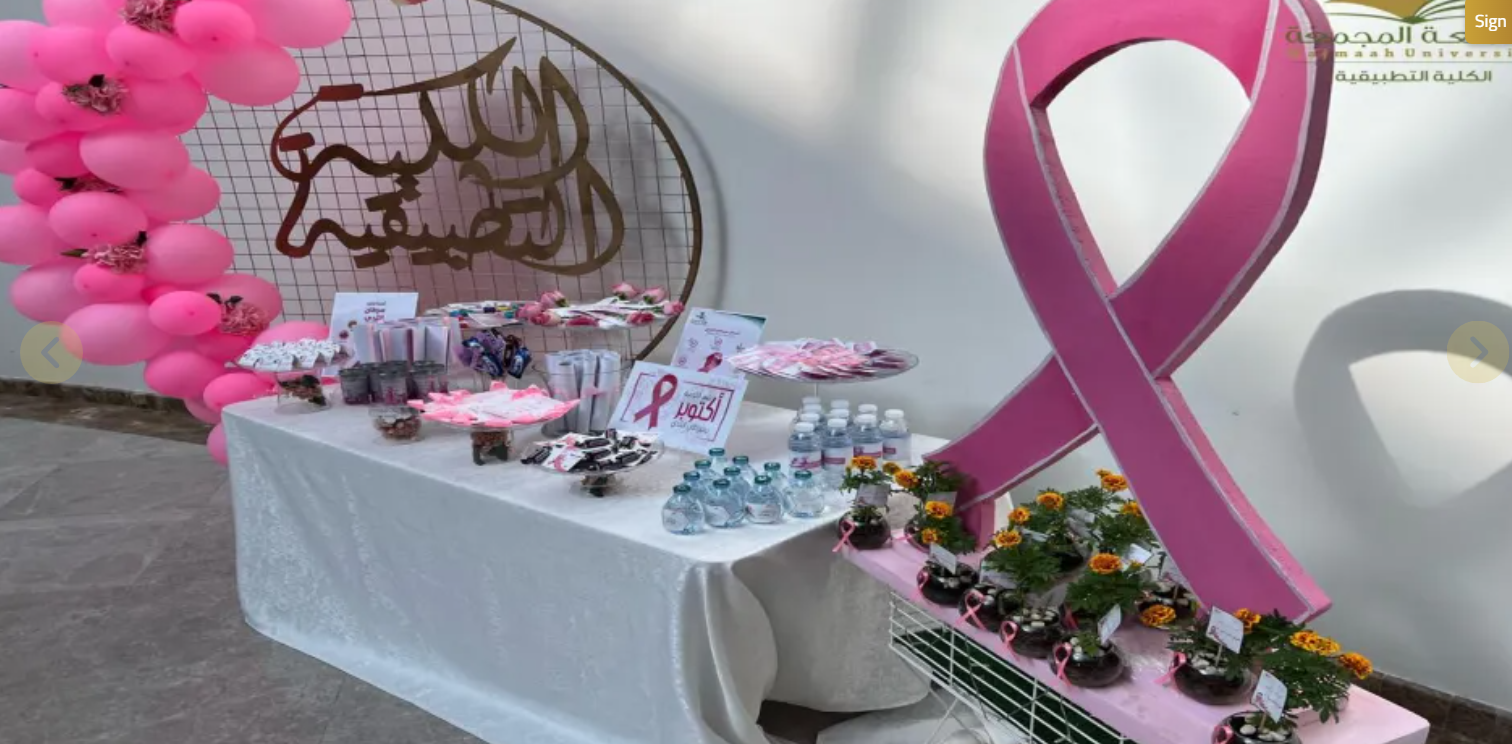
Students of the Student Club at the Applied College participated in the October Campaign to raise awareness of breast cancer in Majmaah, Zulfi and Remah under the patronage of the Vice Dean for Development and Quality, Dr. Laila Al-Haidari.
This campaign aims to raise awareness about breast cancer and contribute to achieving the goals of Vision 2030, including improving the quality of life.
The event featured multiple activities such as video, drawing corner, lectures, and distributing flyers to raise awareness of breast cancer.
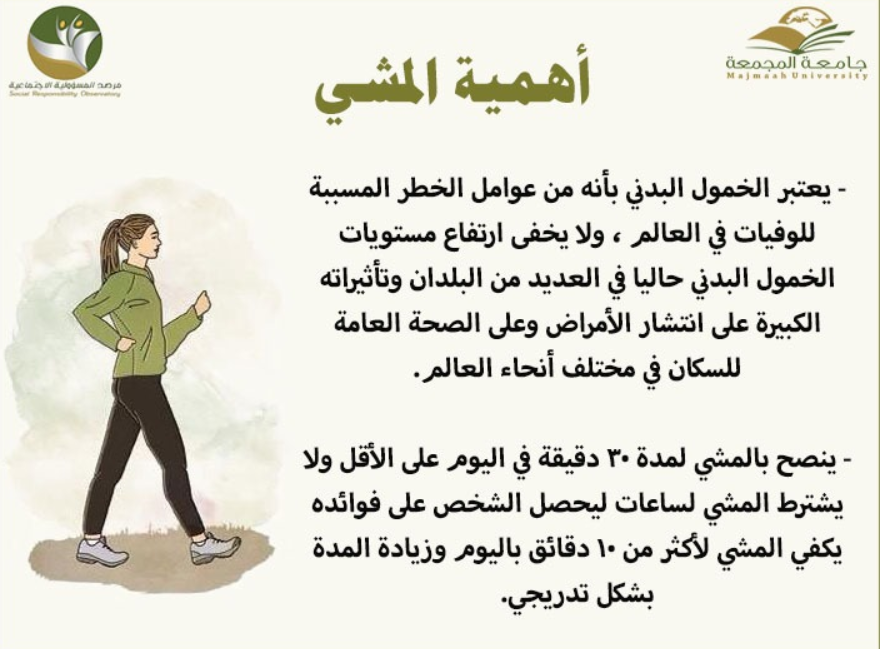
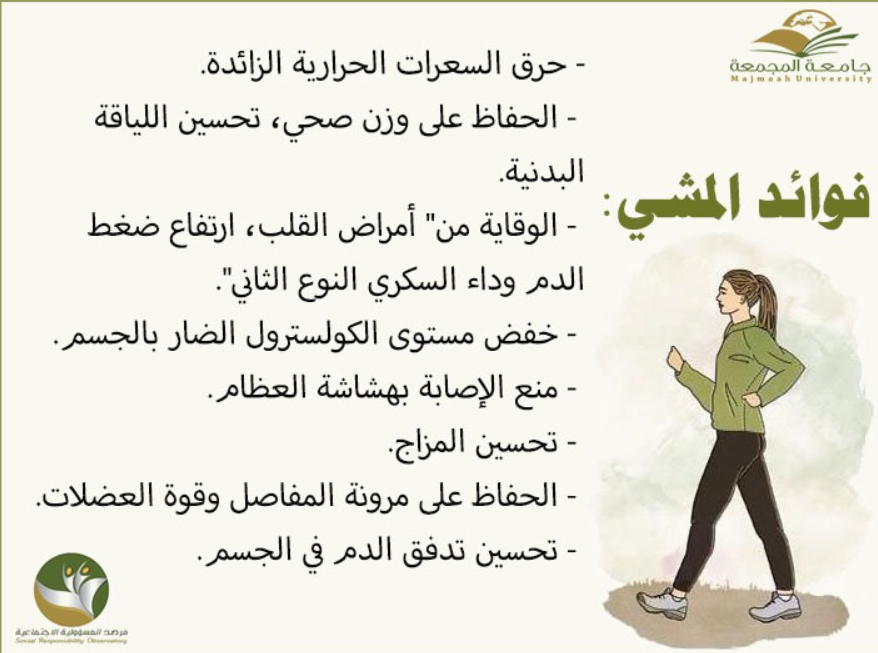
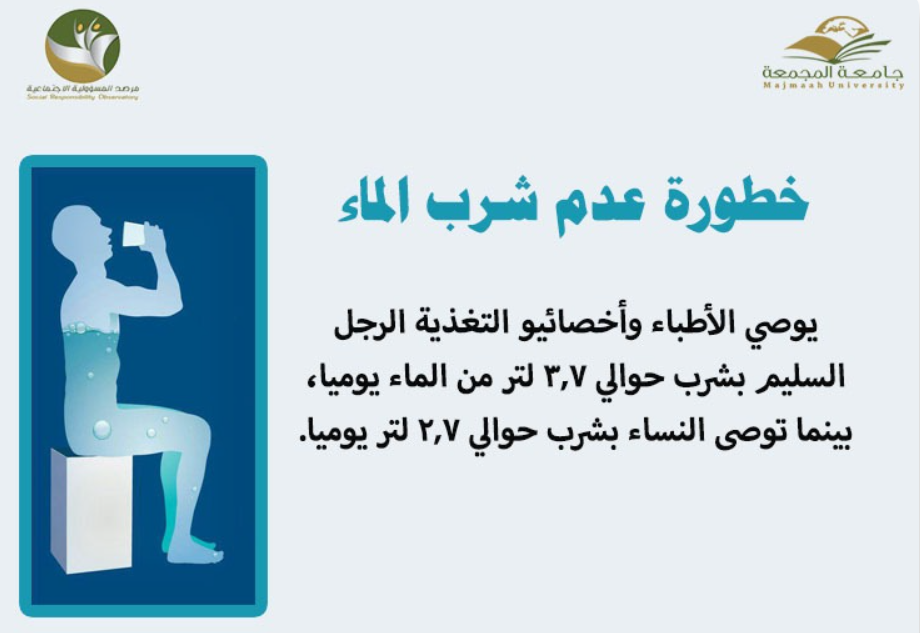
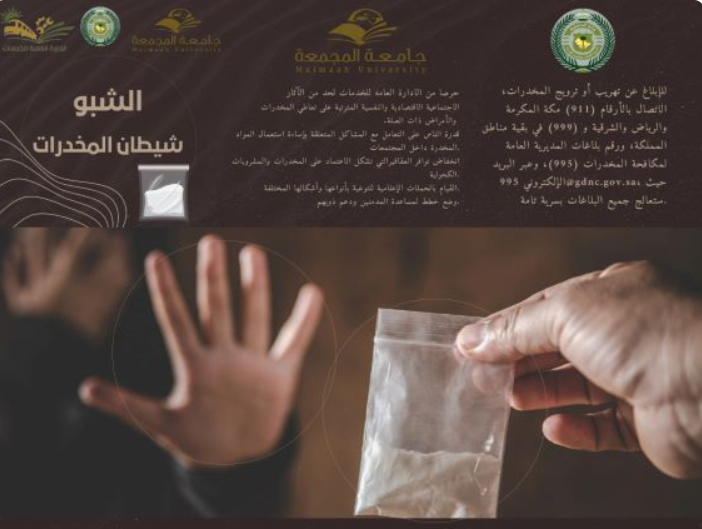
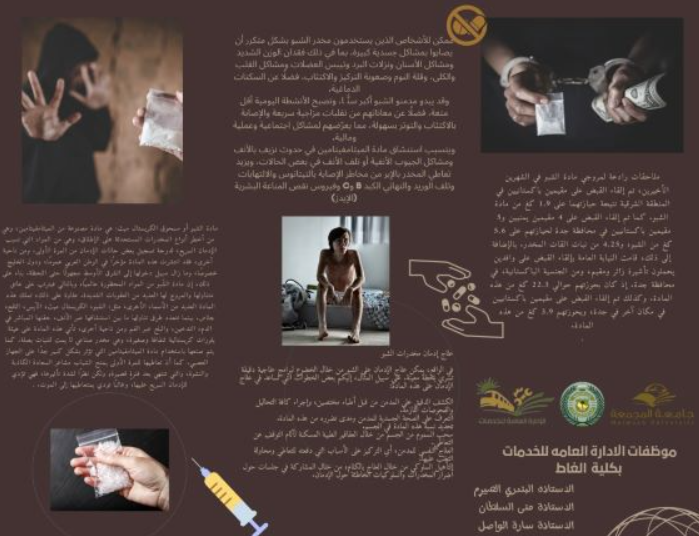
In addition, MU focuses on healthy lifestyle and preventive care topics. Through its Social Responsibility Observatory, the university has created educational content on nutrition and fitness – e.g. illustrating the “Importance of Walking” and risks of inadequate hydration – to promote physical activity and hygiene among the publicmu.edu.samu.edu.sa. Campaigns on addiction prevention have also been conducted; for instance, staff at MU’s female campus organized an awareness event on the dangers of amphetamine (“Shabu”) abuse as part of broader drug prevention effortsmu.edu.sa. The university’s mental health outreach is particularly notable: throughout each academic year, numerous events and lectures focus on mental health topics to reduce stigma and teach coping strategiesmu.edu.sa. These have included World Mental Health Day exhibitions linking art and emotional well-beingmu.edu.sa, interdisciplinary seminars on issues like depression and suicide preventionmu.edu.sa, and student counseling center campaigns. By covering hygiene, nutrition, family health, active living, sports, mental health, addiction, and general wellness, MU’s outreach portfolio is both comprehensive and responsive to community health concerns.
Importance of Walking
Risk of not drinking water
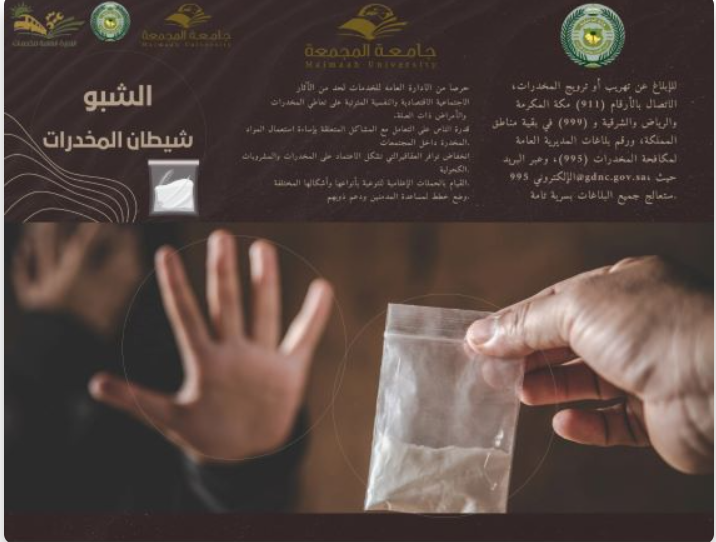
Awareness campaign on the danger of crystal meth 'Shabu'
Participation of staff at female campus in Ghat in the Awareness campaign on the danger of crystal meth 'Shabu'
World Mental Health Day Exhibition
The Arts Club participated in the World Mental Health Day Exhibition, which highlighted the role of art in promoting emotional balance and inspiring the soul. The exhibition featured works by photographers and painters. It also marked the launch of the club’s first magazine issue titled “Mental Health.” The magazine included articles written by members of the magazine. It explors the connection between art and mental health.
Participation in World Mental Health Day
In conjunction of the World Mental Health Day 2019, the Psychology Department at the College of Medicine held in collaboration with the College of Dentistry a lecture entitled “Suicide Precautions”.
Presented on Thursday by Dr. Abdelrahman Al-Attram, Associate Professor of Psychology, and Dr. Yassir Jebreel, Assistant Professor of Psychology, the lecture, attended by students and faculty, addressed the psychological reasons of committing suicide, precautions and the primary role of family in dealing with family members in appropriate educational and psychological ways. A Q&A session was held by the presenters.
Target Audiences and Community Partnerships
MU’s health programs deliberately engage a broad spectrum of audiences in the local community, often through partnerships with external organizations. Key targets include residents of Majmaah and neighboring towns, schoolchildren, families, and vulnerable groups, as well as the university’s own students and staff when the events are campus-based. Many initiatives are conducted in collaboration with local authorities, hospitals, NGOs, and schools to maximize reach. For example, the College of Medicine’s community service unit recently ran a diabetes awareness event at a Majmaah middle school, educating young students with interactive presentations and brochures, and even providing free blood-sugar testing for the school’s teachers, administrators, and workersmu.edu.sa. This school-based approach spreads health knowledge early on and strengthens MU’s link with the education sector.
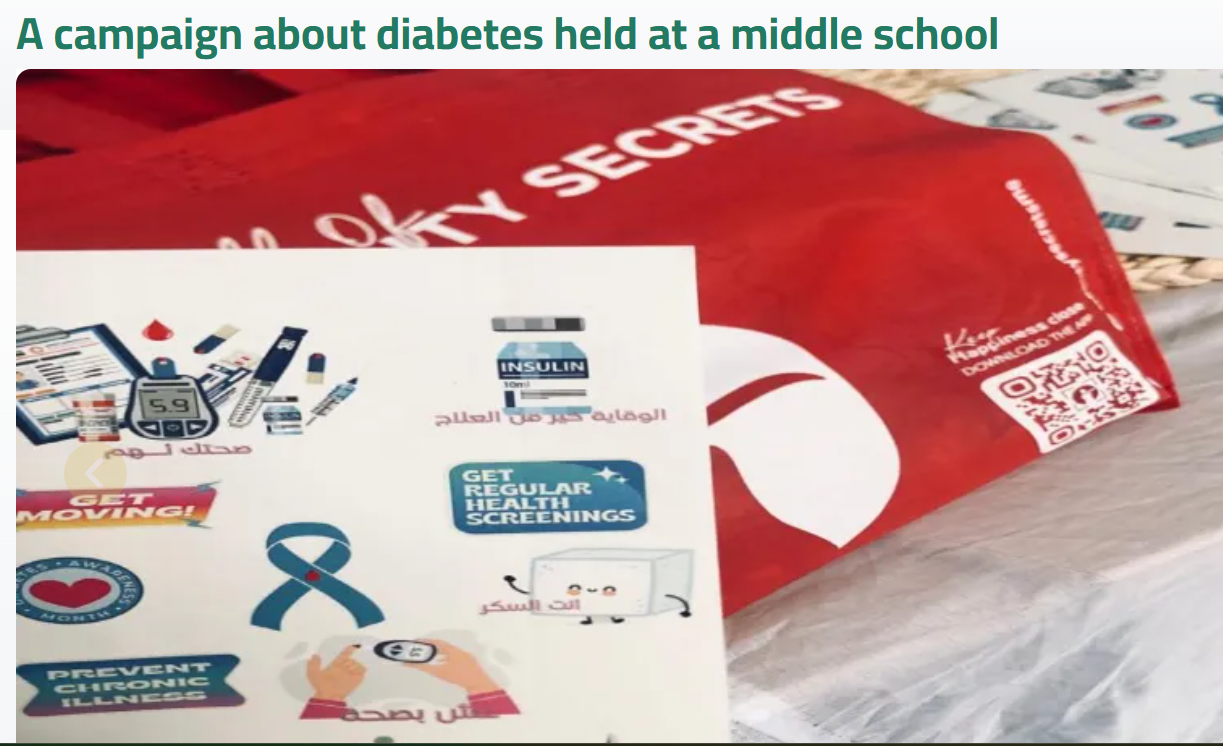
A campaign about diabetes held at a middle school
The Community Service Unit Department, held in cooperation with the Student Activities Unit at the College of Medicine an event to raise students awareness about diabetes at a middle school in Majmaah.
The event featured a number of awareness corners and a visual presentation about diabetes under the supervision of specialists from the faculty members of the College of Medicine. Educational brochures were distributed to the students. At the end of the event, teachers, admins and janitors were tested.
The university has strong ties with the Ministry of Health (MOH) and local healthcare providers. MU often coordinates with public hospitals for medical expertise and resources. In one initiative, the College of Sharia and Law organized a blood donation drive at its Zulfi campus in cooperation with Zulfi General Hospital and MU’s own health clinicsmu.edu.sa. Likewise, a major university-wide blood donation campaign in 2025 was held under the patronage of the MU President and in partnership with Hawtat Sudair Hospital, answering the Crown Prince’s national call for blood donationmu.edu.sa. These partnerships ensure professional oversight (e.g. qualified staff to handle screenings or blood collection) and embed MU’s programs in national health strategies. MU also partners with non-governmental organizations and charities: the Social Responsibility Observatory frequently teams up with groups like Basmat Khair Charity and the Saudi Central Blood Bank to host public health events. In early 2021, MU’s Blood Donation Club worked with the Central Blood Bank and Basmat Khair to run community blood drives at prominent public venues, including a two-day campaign at Riyadh’s “Front” event space and a week-long campaign at Granada Mallmu.edu.samu.edu.sa. These attracted hundreds of donors (102 and 170 donors respectively), underscoring the power of partnerships in reaching the general public.
The College participates in the Annual National Blood Donation Campaign in cooperation with the Ministry of Health
The College of Sharia and Law, through its Relations and Documentation Unit and Student Activities Unit, organized a blood donation campaign in response to the call of His Royal Highness Prince Mohammed bin Salman bin Abdulaziz, Crown Prince and Prime Minister, for the annual national blood donation initiative.
The campaign, held under the patronage Prof. Omar Al-Omar, Dean of the College, took place at the college building in cooperation with the University’s healthcare facilities and Zulfi General Hospital.
Reflecting the college’s commitment to community engagement and social solidarity, the initiative aimed to promote the culture of blood donation and highlight its health and humanitarian benefits to society. Many of the university's faculty, staff, and students showed up for donation.
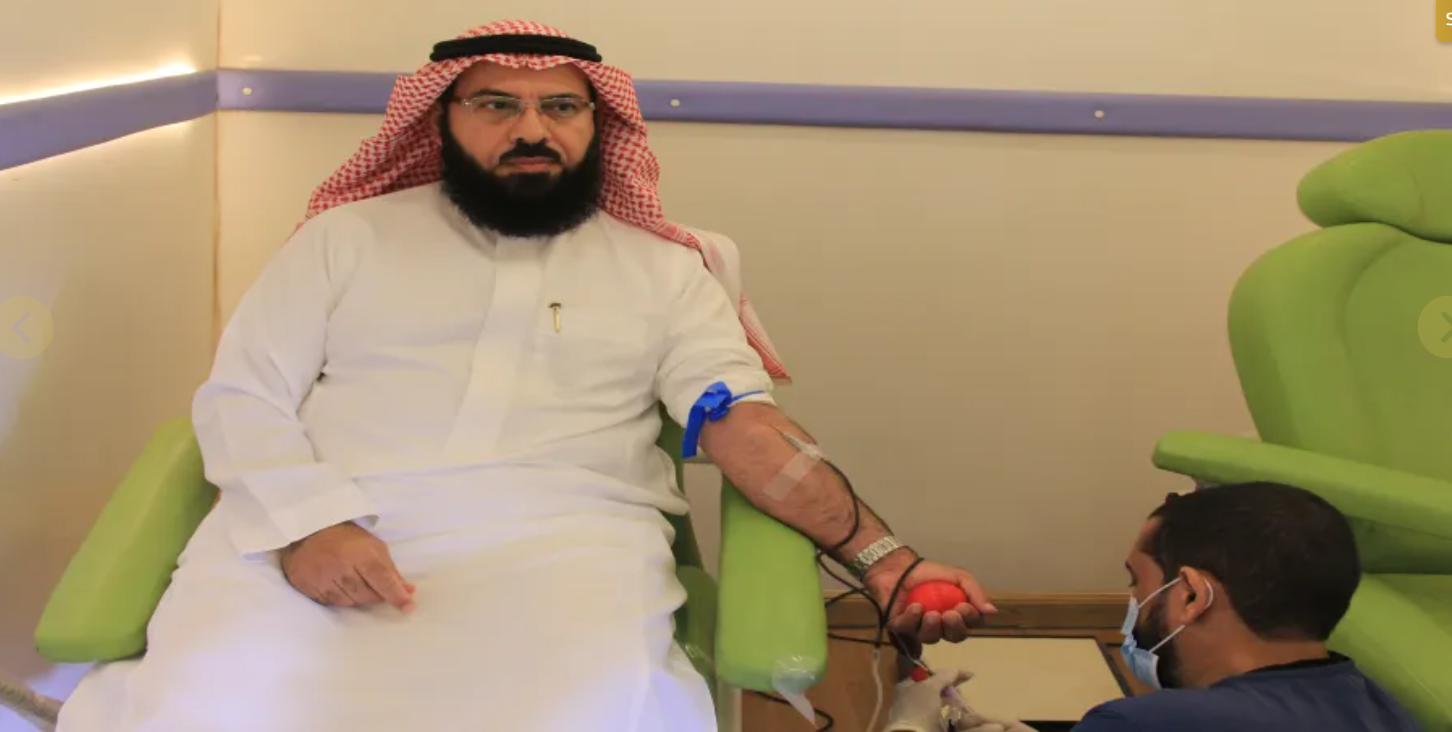
MU ORGANIZES BLOOD DONATION IN RESPONSE TO NATIONAL INITIATIVE
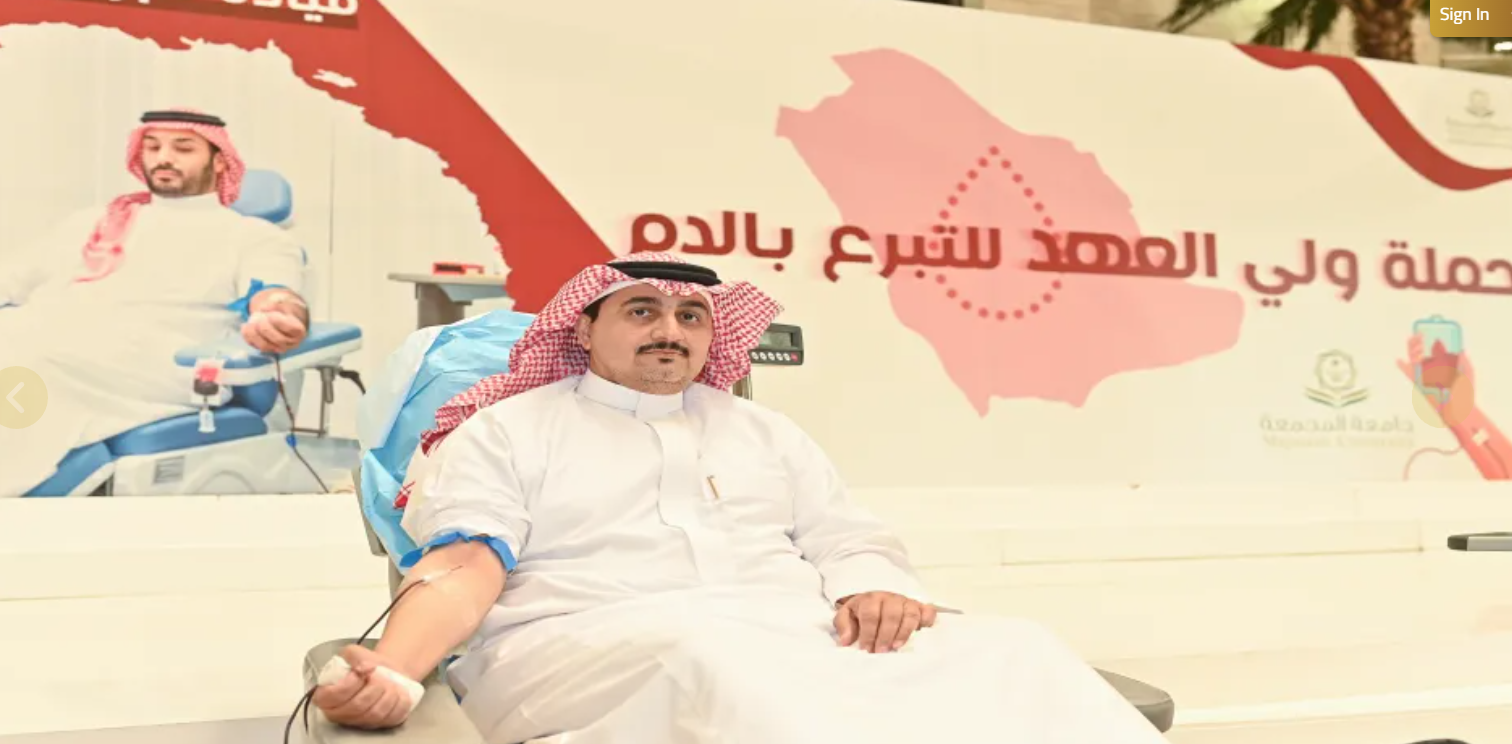
The University Health Facilities at MU launched a blood donation campaign in response to the call of His Royal Highness Prince Mohammed bin Salman bin Abdulaziz, Crown Prince and Prime Minister, as part of the annual national blood donation drive. The campaign was held under the patronage of MU Prof. Saleh Al-Mezal in cooperation with Hawtat Sudair Hospital.
This initiative reflects the University’s commitment to social responsibility and its support for national efforts to promote the culture of blood donation. By encouraging faculty, staff, students, and visitors to take part, the campaign highlights the life-saving impact of blood donation, its role in meeting the needs of blood banks, and its contribution to public health and humanitarian causes. It also reinforces MU’s dedication to fostering community partnership, charitable activities, and a spirit of solidarity.
The campaign drew enthusiastic donors who expressed their gratitude to the Kingdom’s leadership for its continued care for citizens and residents.
MU’s collaborations extend to special population groups and government agencies beyond health. For instance, its Special Needs Center partnered with the Alber Charity to produce autism awareness videos for World Autism Day, helping educate families about autism as a neurodevelopmental condition rather than a diseasemu.edu.sa. The university has also cooperated with the Family Affairs Committee and local development committees on initiatives like family health education (e.g. marriage and parenting workshops)mu.edu.sa. Furthermore, MU maintains formal relationships with government bodies such as the Ministry of Human Resources and Social Development (MHRSD) – evidenced by joint campaigns (the Granada Mall blood drive was co-hosted with MHRSD’s local branchmu.edu.sa) and the Ministry honoring MU for its volunteerism on International Volunteer Daymu.edu.sa. By engaging local communities, schools, charities, and government partners, MU ensures its outreach programs are inclusive and far-reaching.




SRO conducts a lecture on engaging people with disabilities and their families into the society
The Social Responsibility Observatory at MU, represented by Special Needs Support Unit, conducted, in cooperation with the Department of Educational Science, a training program entitled “engaging people with special needs and their families into the community”.
The program was presented by Dr. Muna Al-Said, Associate Professor at College of Education, who addressed the following themes:
· Introduce the social engagement concept and its importance for child, family and society
· Introduce methods of psychological and social and their importance for engaging children with special needs’ families
· Identify some indicators related to the acceptance or rejection of children with special needs by their mothers
· Identify the concept of family upbringing and proper upbringing patterns in raising children with disabilities.
· Introduce the manifestations of violence and forms of abuse of children with disabilities and how to avoid them.
· Provide educational and psychological recommendations that contribute to the integration of people with disabilities and their families into society.
Modes of Engagement and Volunteer Involvement
Majmaah University employs diverse methods of engagement to deliver health information and services, often leveraging the enthusiasm and skills of its faculty and student volunteers. A common format is the educational seminar or lecture – typically hosted on campus or at community venues – where experts share knowledge on specific health issues. For example, during World Mental Health Day events, the university held multi-section exhibitions and talks highlighting mental health’s impact on physical and social well-being, with faculty experts addressing topics like depression and stress reliefmu.edu.sa. These events are interactive; some include question-and-answer sessions or even entertainment activities to reduce stress (such as relaxation corners)mu.edu.sa. Likewise, health awareness booths and exhibitions are frequently set up by MU at public events. In the 2025 Alzheimer’s awareness program organized by the College of Nursing, volunteers ran interactive booths with brochures, posters, and digital displays to inform visitors about early signs of Alzheimer’s and healthy habits to delay cognitive declinemu.edu.sa. Such engagements combine factual learning with practical demonstrations (for instance, that event showcased brain-healthy foods as part of preventionmu.edu.sa).
World Mental Health Day
The Student Affairs at the College of Education in Majmaah, in cooperation with the Advising Unit and the participation of the college’s scientific departments (Pre-school, educational science, Islamic studies, special education, Arabic language), the World Mental Health Day was celebrated by the college on Tuesday at 9 am.
The participation of the scientific departments in the activity included sections that highlight the importance of mental health and its impact on physical, social and emotional health. Other sections addressed the mental health problems including depression. Entertainment sections helping in relieving stress and anxiety were also available
Visitors were provided with public phone numbers, doctor’s accounts and phone applications that provide mental health care.
The College of Nursing organizes Awareness Program on Alzheimer’s Disease
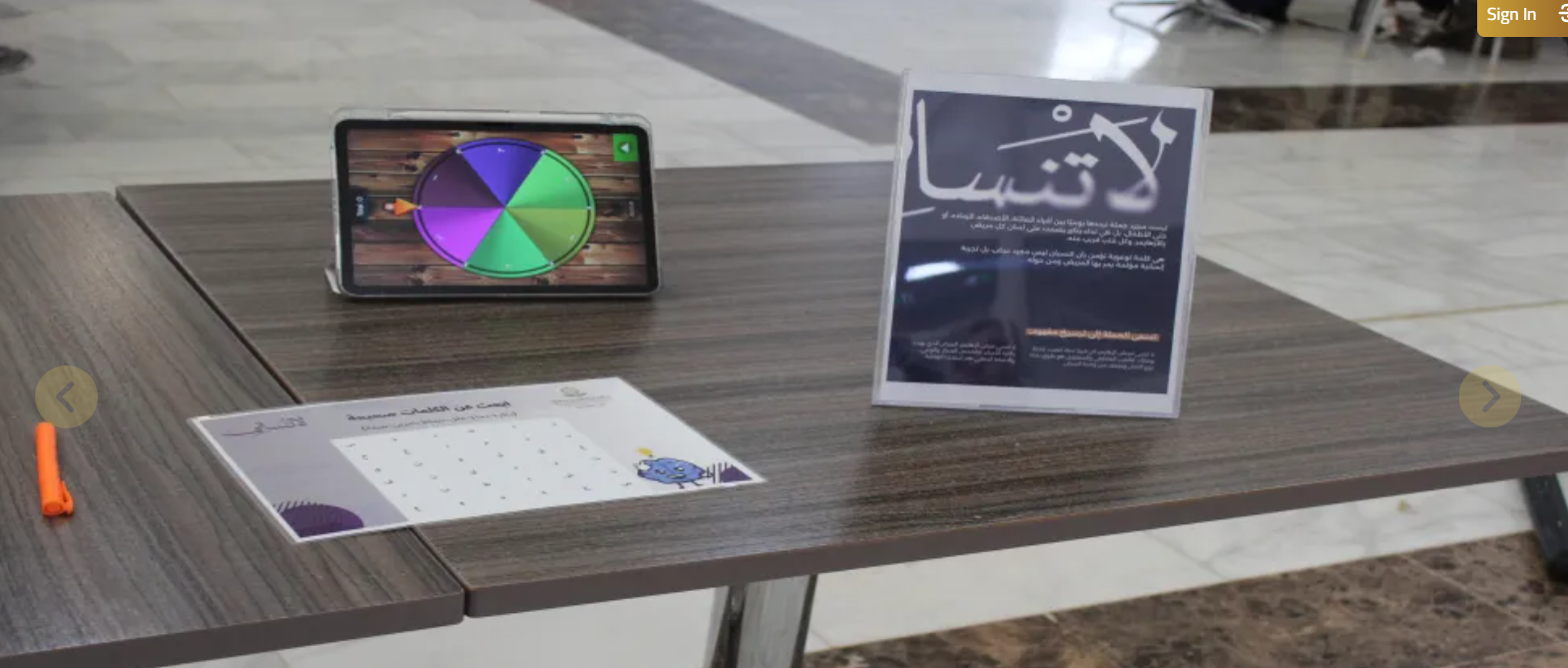
The Nursing College Club organized, in collaboration with the Volunteer and Community Service Unit, an awareness program on Alzheimer’s disease at the college’s female campus, under the supervision of Dr. Najlaa Abu Al-Dhahab.
Several interactive booths were set up featuring educational brochures, awareness posters, and digital displays highlighting the importance of early detection, key symptoms, and risk factors of Alzheimer’s disease. The event showcased healthy food options that can help support prevention and delay of it.
This initiative reflects the college’s commitment to promoting health awareness, enhancing community knowledge about Alzheimer’s, and encouraging preventive practices. It also aimed to provide support to patients and their families, contributing to improved quality of life and public health.
Hands-on health services are another vital mode of outreach. MU regularly provides free health screenings and check-ups in the community via mobile or on-site clinics. A flagship effort is the use of the University’s Mobile Medical Services Bus to reach rural areas: in 2021 MU launched an initiative to visit villages in Majmaah governorate and conduct early health tests for elderly residents, ensuring seniors receive basic check-ups conveniently in their communitiesmu.edu.sa. During school campaigns, MU medical teams have also performed screenings – for example, testing school staff for diabetes at the conclusion of a diabetes awareness eventmu.edu.sa. Another mode is large-scale community health days or fairs at public venues. During a recent World Diabetes Day, MU’s Social Responsibility Observatory set up a public screening station where visitors were randomly tested for blood sugar and given educational leaflets on diabetes preventionm.mu.edu.sam.mu.edu.sa. These community health days often take place in partnership with malls, embassies, or local clubs to encourage walk-in participation.
A campaign about diabetes held at a middle school
The Community Service Unit Department, held in cooperation with the Student Activities Unit at the College of Medicine an event to raise students awareness about diabetes at a middle school in Majmaah.
The event featured a number of awareness corners and a visual presentation about diabetes under the supervision of specialists from the faculty members of the College of Medicine. Educational brochures were distributed to the students. At the end of the event, teachers, admins and janitors were tested.
The Social Responsibility Observatory holds an awareness initiative on the World Diabetes Day
The Social Responsibility Observatory held an initiative on the importance of diagnosing diabetes on the World Diabetes Day, November 14.
Visitors to the initiative were randomly screened for blood sugar and educational leaflets were distributed to raise their awareness about diabetes. This initiative comes in line with the university’s orientations to open up to society with all its components .
Student and staff volunteers are the backbone of many initiatives, reflecting MU’s culture of social responsibility. The university’s Volunteer Work Center and various student clubs coordinate volunteering opportunities related to health. Medical and nursing students frequently lead awareness activities as part of their training or club projects. For instance, the Student Club of the Applied College took charge of the multi-city breast cancer awareness campaign, conducting creative activities (video presentations, art corners) to engage the publicmu.edu.sa. In drug prevention campaigns and traffic safety initiatives, staff from different departments participate as speakers or organizers, especially to reach female audiences (as seen in the women’s campus anti-“Shabu” drug campaignmu.edu.sa). MU also institutionalizes volunteer engagement through events like International Volunteer Day, celebrating and guiding volunteers – the Social Responsibility Observatory even drafted a volunteer work regulation and promoted volunteerism as a core value in 2020mu.edu.sa. Importantly, MU’s volunteers not only educate but also help link people to care. During mental health events, counselors are on hand for consultations, and visitors have been provided with contact info for helplines, doctors, and apps offering psychological supportmu.edu.sa. This practical follow-up ensures community members can access services beyond the event itself. Overall, through seminars, workshops, screenings, mobile clinics, and volunteer-driven campaigns, MU employs an array of engagement strategies to foster health and wellbeing in the community.
Awareness campaign on the danger of crystal meth 'Shabu'
World Mental Health Day
The Student Affairs at the College of Education in Majmaah, in cooperation with the Advising Unit and the participation of the college’s scientific departments (Pre-school, educational science, Islamic studies, special education, Arabic language), the World Mental Health Day was celebrated by the college on Tuesday at 9 am.
The participation of the scientific departments in the activity included sections that highlight the importance of mental health and its impact on physical, social and emotional health. Other sections addressed the mental health problems including depression. Entertainment sections helping in relieving stress and anxiety were also available
Visitors were provided with public phone numbers, doctor’s accounts and phone applications that provide mental health care.

Impact and Evidence of Outreach
MU’s health outreach programs have yielded significant impacts in the past five years, documented through participation numbers, press coverage, and formal recognition. The scale of these initiatives is reflected in the hundreds of beneficiaries reached annually. In the area of blood donation, MU’s efforts have tangibly boosted local blood supplies and awareness. The university’s Blood Donation Club ran multiple drives in 2020–2021 that collected large volumes of blood: for example, 170 eligible donors contributed over a week at Granada Mall in Riyadh and another 102 donors gave blood during a two-day drive at Riyadh Front, all under MU’s organizationmu.edu.samu.edu.sa. These campaigns not only meet hospital needs but instill a culture of life-saving volunteerism in the community. Building on this, MU actively supported the 2025 National Blood Donation Initiative launched by the Crown Prince – the university-wide campaign it held (with hospital collaboration) drew enthusiastic donors from among faculty, students, and visitors, highlighting the drive’s “life-saving impact” for blood banks and humanitarian causesmu.edu.samu.edu.sa. Such involvement demonstrates MU’s alignment with national health priorities and its ability to mobilize its community for public good.

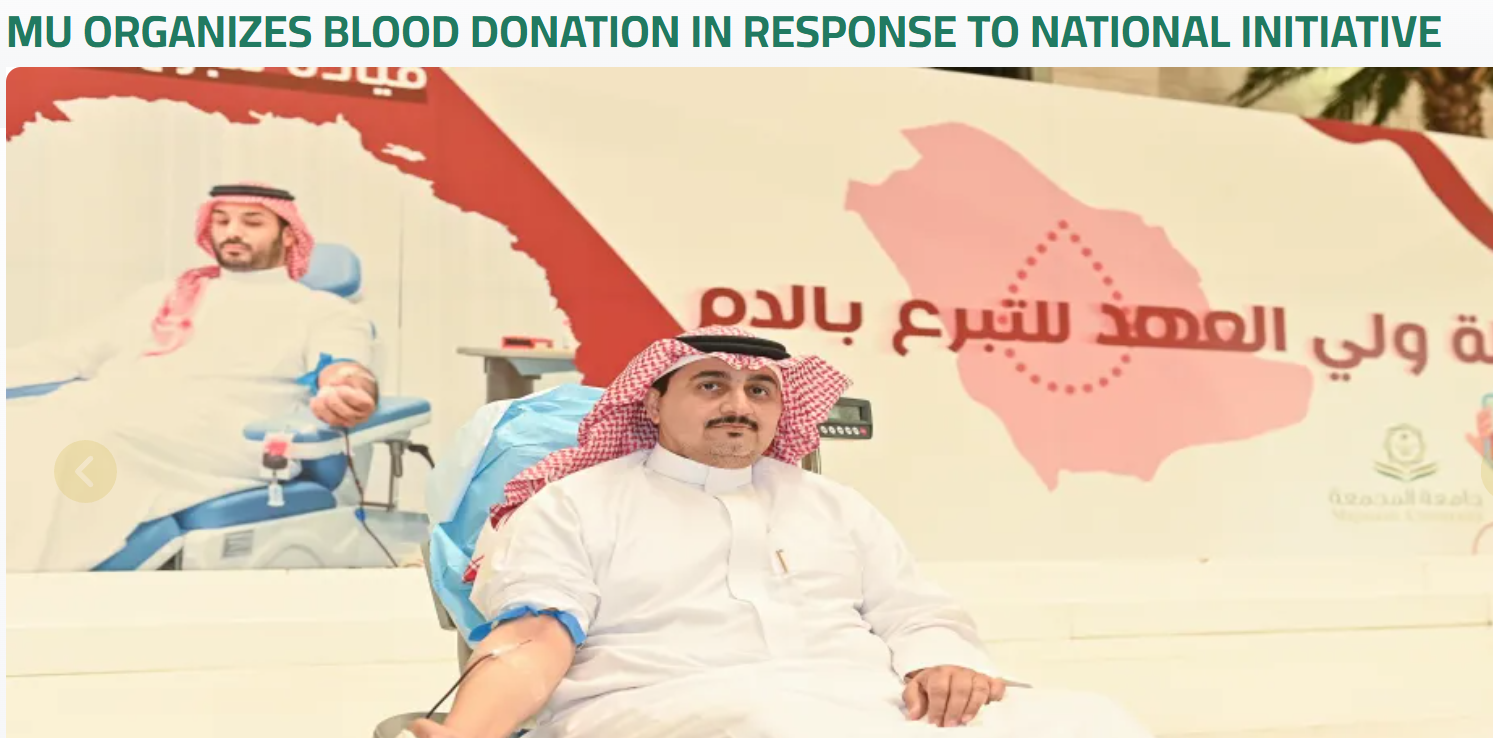
The University Health Facilities at MU launched a blood donation campaign in response to the call of His Royal Highness Prince Mohammed bin Salman bin Abdulaziz, Crown Prince and Prime Minister, as part of the annual national blood donation drive. The campaign was held under the patronage of MU Prof. Saleh Al-Mezal in cooperation with Hawtat Sudair Hospital.
This initiative reflects the University’s commitment to social responsibility and its support for national efforts to promote the culture of blood donation. By encouraging faculty, staff, students, and visitors to take part, the campaign highlights the life-saving impact of blood donation, its role in meeting the needs of blood banks, and its contribution to public health and humanitarian causes. It also reinforces MU’s dedication to fostering community partnership, charitable activities, and a spirit of solidarity.
Several MU outreach projects have been formally recognized or awarded. In 2024, Majmaah University – represented by its Volunteer Work Center under the Social Responsibility Observatory – won the Health Volunteering Award from the Ministry of Health’s national initiative, distinguishing MU as a leading public institution in health-related volunteeringmu.edu.sa. University leadership attributed this achievement to the cumulative impact of health campaigns and volunteer contributions that serve the community and raise health awarenessmu.edu.sa. Earlier, MU’s Social Responsibility Observatory was honored by the Ministry of Human Resources and Social Development for its extensive volunteer programs around International Volunteer Daymu.edu.sa. These honors underscore the quality and societal value of MU’s outreach. On a more local level, many events have been celebrated by community stakeholders. MU’s breast cancer awareness campaigns, for instance, have seen strong community turnout including participants from outside the university, which was noted as an indicator of success for those programsmu.edu.sa. Likewise, MU’s world mental health and disability inclusion events have been praised for providing resources to attendees – after one college’s mental health day event, participants left equipped with helpline numbers and mobile apps for ongoing support in their personal livesmu.edu.sa.
The Volunteer Work Center wins the Health Volunteer Award
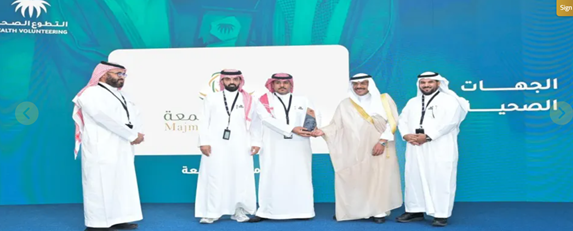
MU won the Health Volunteering Award as part of the Health Volunteering Initiative at the Ministry of Health for public entities.
The Vice-Rector for Development and Investment, Prof. Musallam Al-Dosari, pointed out that this achievement is a result of the university’s efforts in the field of health volunteering, which contribute significantly to serving the community and promoting health awareness.

NATIONAL AWARENESS CAMPAIGN AGAINST BREAST CANCER
In collaboration with the Breast Cancer Society (Zahra), Majmaah University has launched a national campaign for breast cancer awareness today morning that will continue for 5 days from 11/10/2015 to 15/10/2015. The campaign targets the women in society and particularly the female technical and administrative personnel at the University. An awareness exhibition about breast cancer, where detailed information about the campaign, its plan and ways of benefitting from it, will be held during the campaign from 9:00 am to 2 pm. Souvenirs will be distributed at the event. A practical explanation of how early tests are done for women will be explained in addition to awareness lectures and educational competitions that will be held from 12 pm to 1 pm during the 7 days of the campaign. It’s worth noting that the University conducted the first national campaign last year, which achieved great success through interaction with a great deal of community members who joined it from either inside or outside the University. This is a good indicator of the success of this campaign this year. Additionally, the organization of the campaign will contribute (God willing) to the popularity and participation this year.
World Mental Health Day
The Student Affairs at the College of Education in Majmaah, in cooperation with the Advising Unit and the participation of the college’s scientific departments (Pre-school, educational science, Islamic studies, special education, Arabic language), the World Mental Health Day was celebrated by the college on Tuesday at 9 am.
The participation of the scientific departments in the activity included sections that highlight the importance of mental health and its impact on physical, social and emotional health. Other sections addressed the mental health problems including depression. Entertainment sections helping in relieving stress and anxiety were also available
Visitors were provided with public phone numbers, doctor’s accounts and phone applications that provide mental health care.
Crucially, MU’s outreach has led to measurable community engagement. Dozens of workshops, free clinics, and awareness days were held from 2019 to 2024, reaching various demographics. For example, in a single academic year (2020–2021), the Social Responsibility Observatory facilitated: an autism awareness video viewed widely online, a training course on integrating people with special needs, multiple blood drives, an elderly health screening initiative across rural villages, and distribution of protective face masks to community members during the COVID-19 pandemicmu.edu.samu.edu.sa. The elderly screening program is particularly noteworthy, as it brought medical testing directly to over eight villages via the mobile clinic, ensuring isolated seniors received health check-ups and referrals they otherwise might lackmu.edu.sa. During the height of COVID-19, MU contributed by promoting hygiene and safety – in late 2020, it even used the occasion of Universal Children’s Day to hand out masks to university staff and local families, reinforcing public health measures in a creative waymu.edu.sa. Each of these efforts is documented in university news releases and reports, providing transparent evidence for THE Impact Rankings submissions. The breadth of participation – whether counting the hundreds of blood donors, dozens of volunteer organizers, or multi-agency partnerships involved – illustrates MU’s substantial positive impact on health and well-being in the community.



Collaboration and Sustainable Initiatives
MU’s approach to community health outreach is marked by collaboration and sustainability, ensuring that programs have lasting benefits. The university often works in multi-sector collaboration, combining educational, healthcare, and social support elements. For instance, a community initiative on diabetes might involve academic experts (to provide scientific information), the Ministry of Health (for screening equipment or nurses), a charity (for outreach to specific groups), and student volunteers (for on-ground facilitation). This collaborative model was evident in the middle-school diabetes campaign, where a college unit partnered with the school and deployed faculty specialists and students to run interactive “awareness corners” and health checks for staffmu.edu.samu.edu.sa. Similarly, the Alzheimer’s awareness program involved the Nursing College working alongside MU’s Volunteer and Community Service Unit, demonstrating an integration of academic knowledge and volunteer spirit to reach the publicmu.edu.sa.
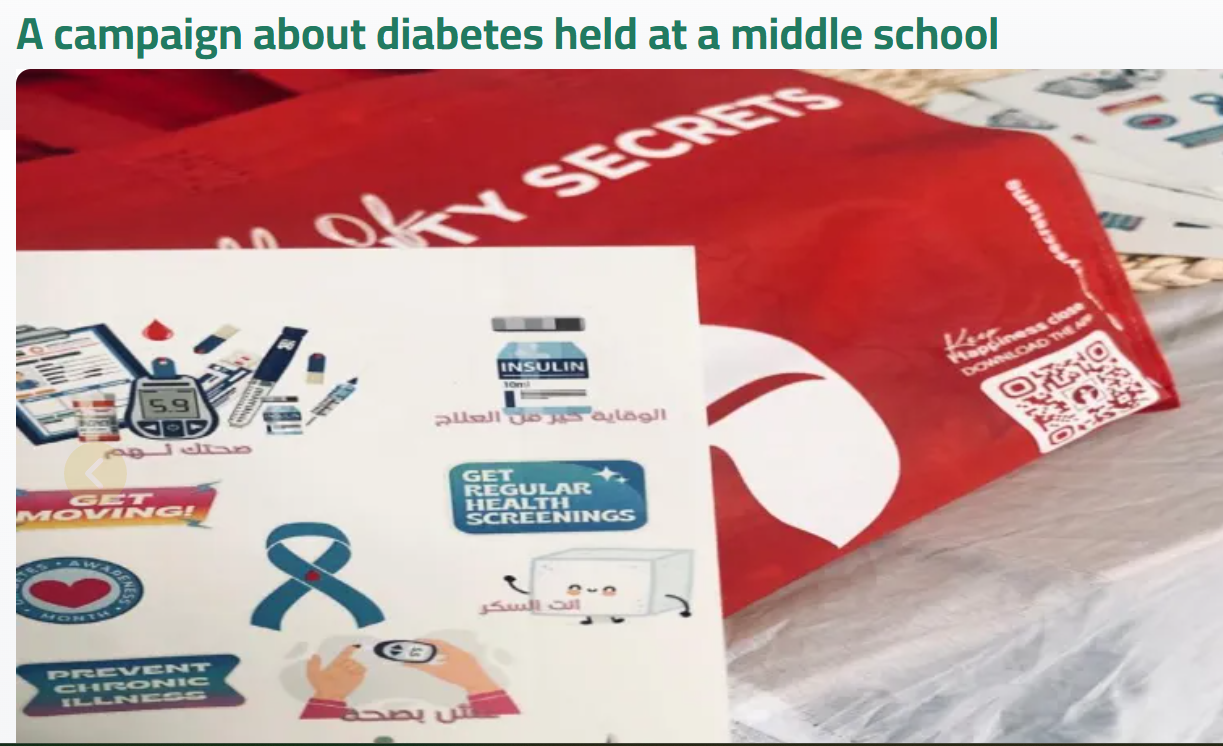
The Community Service Unit Department, held in cooperation with the Student Activities Unit at the College of Medicine an event to raise students awareness about diabetes at a middle school in Majmaah.
The event featured a number of awareness corners and a visual presentation about diabetes under the supervision of specialists from the faculty members of the College of Medicine. Educational brochures were distributed to the students. At the end of the event, teachers, admins and janitors were tested.
The College of Nursing organizes Awareness Program on Alzheimer’s Disease
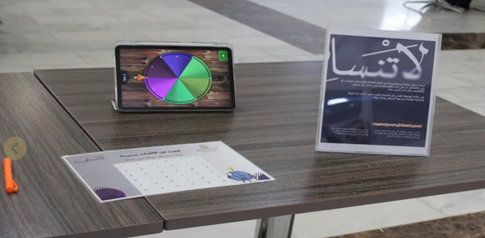
The Nursing College Club organized, in collaboration with the Volunteer and Community Service Unit, an awareness program on Alzheimer’s disease at the college’s female campus, under the supervision of Dr. Najlaa Abu Al-Dhahab.
Several interactive booths were set up featuring educational brochures, awareness posters, and digital displays highlighting the importance of early detection, key symptoms, and risk factors of Alzheimer’s disease. The event showcased healthy food options that can help support prevention and delay of it.
This initiative reflects the college’s commitment to promoting health awareness, enhancing community knowledge about Alzheimer’s, and encouraging preventive practices. It also aimed to provide support to patients and their families, contributing to improved quality of life and public health.
Many initiatives are designed to be institutionalized or recurring, contributing to sustainable impact. MU’s “Blood Donor Club” is a standing entity that continuously plans blood donation drives throughout the yearmu.edu.sa. The club’s sustained efforts mean that blood donation has become a regular activity at MU – not only on campus but at major community hubs annually. The university has also established units like the Mobile Community Services Department and Awareness and Education Unit under its Social Responsibility Observatory, whose mandates include ongoing community health education and servicesmu.edu.sam.mu.edu.sa. These units ensure that outreach is not sporadic but rather a continuous process with dedicated staff and resources. Additionally, MU contributes to long-term well-being by improving infrastructure for health and recreation. It has developed sports facilities (stadiums, gyms, and open courts) that are shared with the local community to promote physical activity and healthy lifestylesmu.edu.sa. The University President’s recent inauguration of new sports fields in Majmaah city is part of this effort, as these facilities are accessible to local youth and school programs, encouraging exercise and social engagement. On campus, the University Medical Center and specialized clinics (including a psychiatry clinic) serve students and employees, but also function as training and outreach arms – for example, they host workshops and publish health guidance for the wider communitymu.edu.samu.edu.sa.

Finally, MU’s outreach aligns with broader sustainable development goals and national strategies, ensuring relevance and support. By targeting issues like non-communicable diseases, mental health, and road safety (e.g. through its Salik Traffic Safety Awareness Club), the university addresses key indicators under SDG 3. Its programs in family health, special needs inclusion, and preventive medicine also intersect with other SDGs (such as Quality Education and Reduced Inequalities), reflecting a holistic approach to community well-being. Through sustained collaborations, policy support (like a strict campus smoke-free policy prohibiting smoking on all university premisesmu.edu.sa), and continuous volunteer engagement, Majmaah University’s health outreach initiatives are not only impactful in the short term but also build a healthier, more resilient community in the long term.
Conclusion: Majmaah University’s extensive outreach in health and well-being showcases the institution’s dedication to SDG 3 and its role as a catalyst for community development. By organizing educational campaigns, providing health services, mobilizing volunteers, and partnering with key stakeholders, MU has created a bridge between academic resources and societal needs. The evidence from 2019–2025 – including high participation rates, successful multi-year programs, and national recognition – attests to the university’s positive impact on public healthmu.edu.samu.edu.sa. These efforts contribute significantly to improving health outcomes and awareness in the region, thereby strengthening Majmaah University’s standing in the Times Higher Education Impact Rankings for Good Health and Well-being.
مشاركة على منصات التواصل الاجتماعي المختلفة
هل أعجبك محتوى الصفحة؟
0 من الزوار الذين أعجبوا بمحتوى الصفحة

0%
مؤشر رضا الزوار

176
عدد زوار الصفحة
ملفات تعريف الارتباط
يستخدم هذا الموقع ملفات تعريف الارتباط، ومن خلال الاستمرار في استخدام الموقع والمنصات التابعة له. فإنك توافق على سياسة الخصوصية واستخدام ملفات تعريف الارتباط الخاصة بنا المزيد ...