
موقع حكومي رسمي تابع لحكومة المملكة العربية السعودية


تنتهي روابط الموقع الرسمي للحكومة السعودية بـ gov.sa
جميع روابط المواقع التعليمية الرسمية في المملكة العربية السعودية تنتهي بـ sch.sa أو edu.sa

تستخدم المواقع الحكومية HTTPS بروتوكولًا للتشفير والأمان.
المواقع الآمنة في المملكة العربية السعودية تستخدم بروتوكول HTTPS للتشفير.



Commitment to meaningful education around the SDGs across the university SDG 17.4.1
 نُشِر في 2024-10-29
Updated 30/10/2025
17.4.1 Majmaah University’s Commitment to Sustainable Development Education and SDGs
Majmaah University (MU) demonstrates a robust institutional commitment to meaningful education around the United Nations Sustainable Development Goals (SDGs). Since 2020, the university has strategically integrated SDG principles into its academic curriculum, launched targeted sustainability programs, and engaged in national initiatives aligned with Saudi Arabia’s Vision 2030. This report details MU’s efforts – in teaching, research, community outreach, and policy – that underpin its performance in the Times Higher Education (THE) Impact Rankings.
SDG Integration Across Academic Curriculum
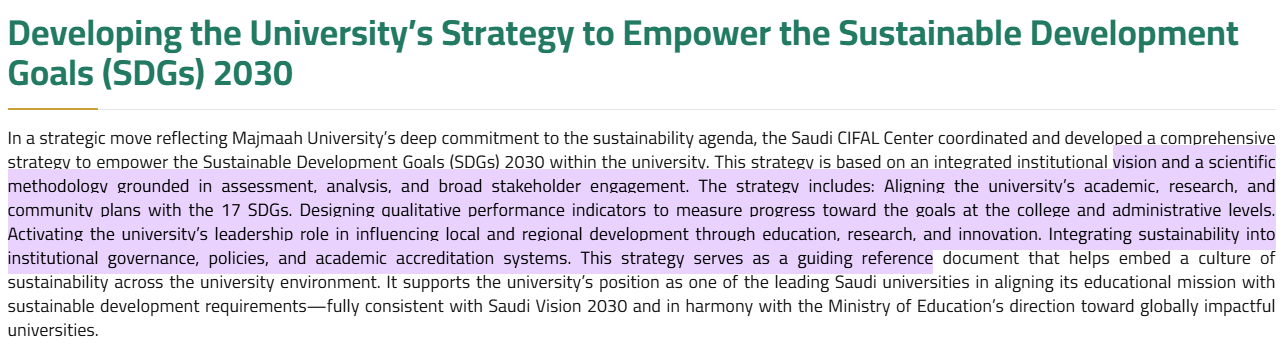
MU has systematically woven SDG themes into curricula across various faculties. In 2023, the university adopted a comprehensive SDG Empowerment Strategy, aligning its academic, research, and community plans with all 17 SDGsm.mu.edu.sa. This strategy established qualitative performance indicators to track progress in each college and integrated sustainability into governance and accreditation processesm.mu.edu.sa.
By doing so, MU ensures that every faculty contributes to SDG education:
-
Environmental Sciences & Engineering:
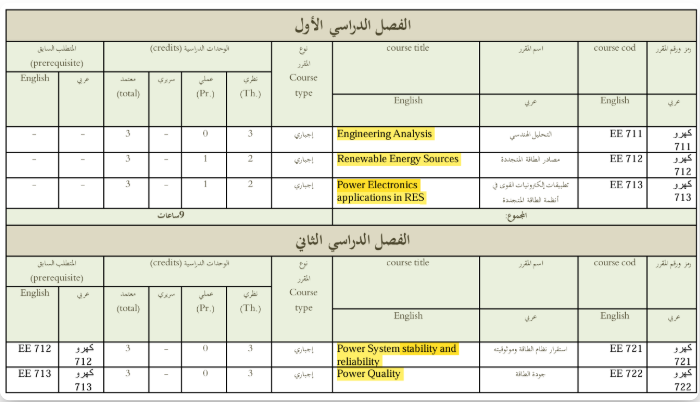
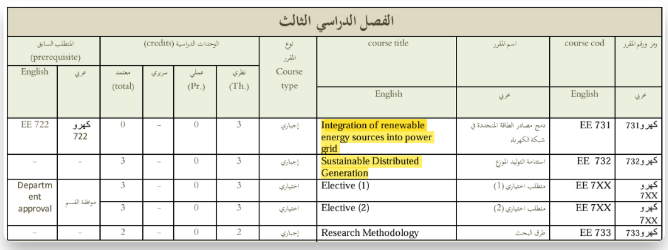
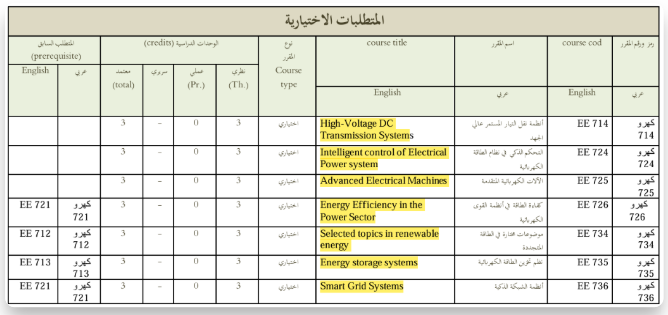
The College of Science offers an Environmental Technology Program and courses such as Environmental Pollution, Biodiversity, and Ecophysiology, equipping students to address ecological challenges mu.edu.sa mu.edu.sa. Likewise, the College of Engineering’s Civil & Environmental Engineering department provides specialized courses (e.g. Environmental Engineering, Water and Wastewater Treatment, Environmental Engineering Design) supported by lab work, fostering practical skills in sustainability mu.edu.sa. A new Master of Science in Renewable Energy Engineering further prepares graduates for clean energy careers, reflecting SDG7 on affordable clean energy mu.edu.sa. These offerings enhance scientific competencies while instilling environmental responsibility and stewardship in students mu.edu.sa mu.edu.sa.
Sustainable Courses
Majmaah University integrates environmental education into its academic curriculum as part of its strong commitment to sustainability and the United Nations Sustainable Development Goals (SDGs). By offering a range of environmental courses across disciplines—such as environmental technology, pollution control, biodiversity, and environmental engineering—the university ensures that students are equipped with the knowledge and skills needed to understand and address pressing environmental challenges. These courses not only enhance students’ scientific and technical competencies but also foster a sense of environmental responsibility and stewardship. Incorporating environmental education into the curriculum is a vital step in cultivating a sustainability-minded generation, capable of driving positive change within their communities and contributing to Saudi Arabia’s Vision 2030 goals for sustainable development.
Environmental Courses at Majmaah University
1. College of Sciences
Environmental Technology Program: This program provides a comprehensive curriculum focusing on environmental issues and sustainable practices. It aims to equip students with the knowledge and skills necessary to address environmental challenges.
Biology Program: Within this program, students can enroll in courses such as:
· Environmental Pollution
· Biodiversity
· Ecophysiology
· Medicinal & Economical Plants
These courses delve into various aspects of environmental science, offering students a deeper understanding of ecological systems and conservation efforts.
2. College of Engineering
Civil and Environmental Engineering Department: The department offers specialized courses in environmental engineering, including:
· CE 360 – Environmental Engineering
· CE 362 – Water and Wastewater Treatment
· CE 498 – Environmental Engineering Design
· CE 499 – Environmental Engineering Project
These courses are supported by the Environmental Engineering Laboratory, which provides hands-on experience with equipment such as pH meters, turbidity meters, and spectrophotometers.
Master of Science in Renewable Energy Engineering
-
Social Sciences, Education & Ethics:
SDG principles are also embedded in humanities and social curricula. For example, the College of Education integrates concepts of quality education (SDG4) and ethics into teacher training programs mu.edu.sa mu.edu.sa. University-wide, Education for Sustainable Development modules emphasize global citizenship, ethics, and social responsibility, ensuring graduates understand poverty alleviation, equality, and other social SDGs in a local context. Majmaah has even partnered in developing an Expert in Human Rights training curriculum – a 250-hour program blending theory and practice – to build national expertise in human rights, which underpin sustainable development arabnews.com arabnews.com. This first-of-its-kind program, launched in 2024 with Saudi Arabia’s Human Rights Commission and UN training centers, reflects SDG16 (peace, justice & strong institutions) and Vision 2030’s emphasis on justice and equality arabnews.com arabnews.com.
International Conference on Sustainable Development, 2030
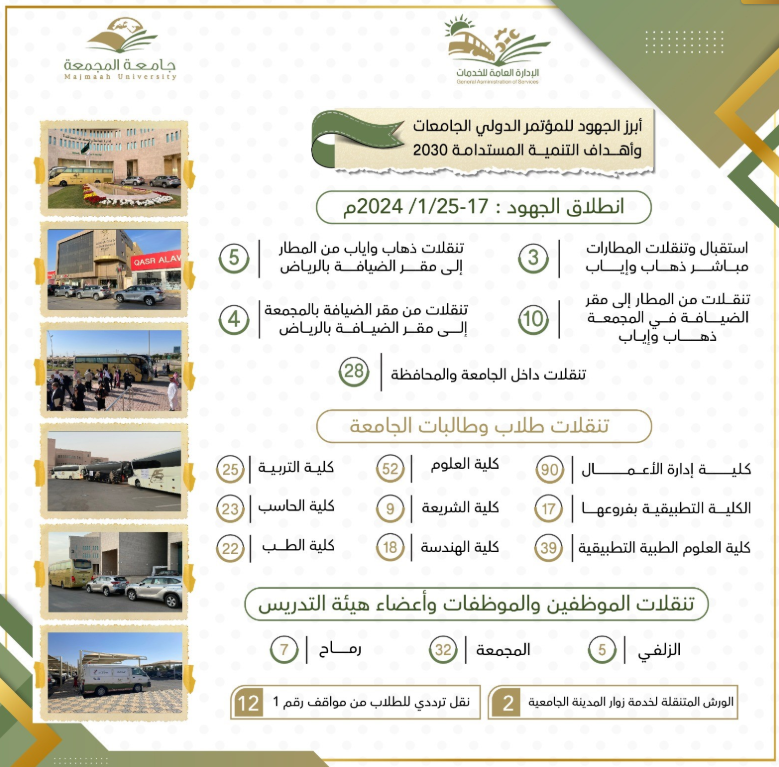
The General Administration of Services has completed providing transportation services to guests and visitors to the International Conference (Universities and the Sustainable Development Goals “2030” Goals and Practices), which was held on the campus of the university.
Work teams were formed to pick up guests from airports to various locations in Riyadh and Majmaah including the conference events and exhibition.
The General Administration of Services also worked to transport a number of visitors from general education students to attend this event.
New human rights program to build national expertise
· Global experts highlight program’s potential to inspire regional human rights leadership
· Alex Mejia: Human rights underpin every aspect of human development, governance and societal well-being
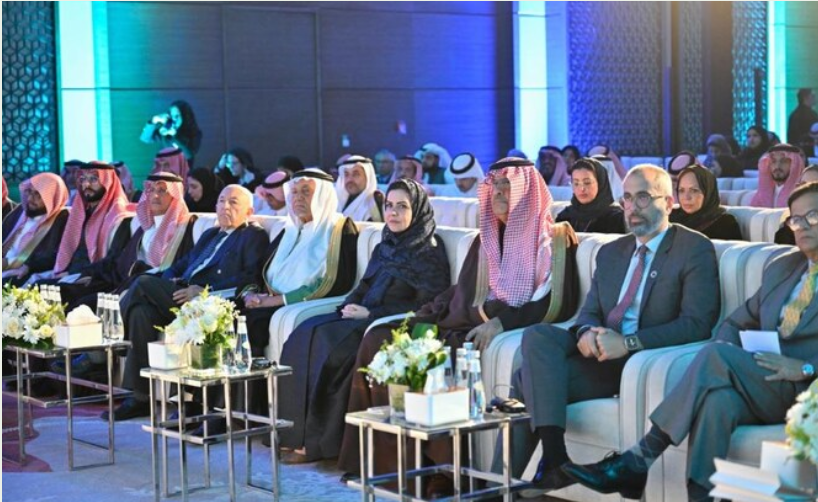
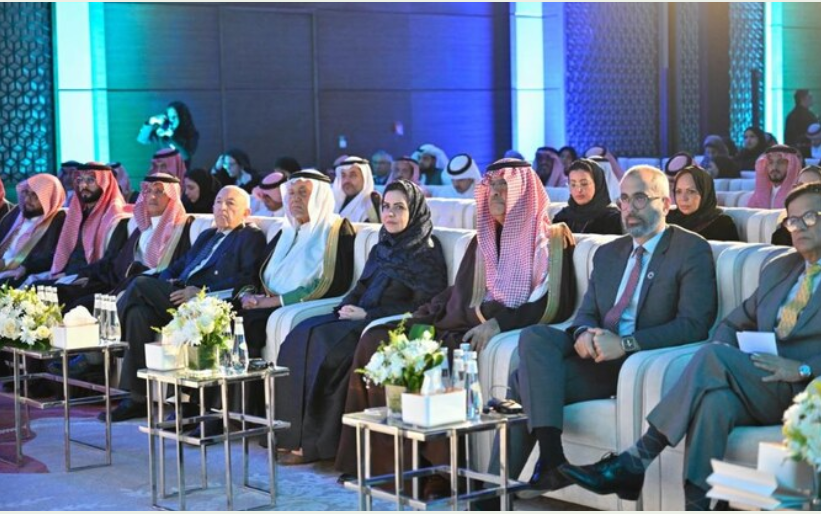
RIYADH: Saudi Arabia’s Human Rights Commission has launched the Expert in Human Rights Program, the first initiative of its kind in the Kingdom to enhance national expertise in the field.
Developed with Majmaah University, the UN Institute for Training and Research, and the International Training Centre for Authorities and Leaders, the program was inaugurated in Riyadh on Monday.
The 250-hour curriculum blends theory and practice to build a strong understanding of human rights. The first cohort includes 130 people, with 50 advancing to higher levels. Graduates will receive certifications, including foundational, expert and trainer qualifications.
Nikhil Seth, UN assistant secretary-general and executive director of the UN institute, praised the collaboration and highlighted its importance in promoting national and international human rights.
“Saudi Arabia can play a leadership role in the multilateral arena by moving from theory to practice through international cooperation,” Seth said.
He highlighted the transformative power of human rights training in promoting justice, equality and peace: “Training equips individuals and institutions to actively contribute to a more equitable and rights-respecting society.”
Alex Mejia, director of the training center’s global network, highlighted the essential link between human rights and sustainable development.
“Human rights underpin every aspect of human development, governance and societal well-being,” Mejia said, adding that the program’s approach integrates leadership, communication skills and public policy, which are key to achieving inclusivity and equality.
The program reflects Saudi Arabia’s commitment to fostering human rights in line with Vision 2030. It aims to benefit the Kingdom and serve as a model for the international community.
Participants will gain insights from global experts, engage in self-assessments and take part in skill-building workshops, positioning them as advocates for human rights.
The initiative is expected to have a multiplier effect, inspiring similar efforts across the Gulf region and beyond.
“This program, rooted in Saudi Arabia’s vision, demonstrates the potential to create a more inclusive and just global society. It is a shining example for the region and the world,” Mejia said.
At a recent meeting in Geneva, Human Rights Commission President Hala Al-Tuwaijri said that Saudi Arabia has implemented significant reforms to reinforce its “unwavering principles of justice and equality.”
Since the launch of Vision 2030, the Kingdom has “experienced unprecedented openness to diverse races, cultures and religions,” she added.
Al-Tuwaijri highlighted the national policy promoting equal opportunities and treatment in employment as a key initiative to eliminate labor market discrimination.
The establishment of labor courts in the Kingdom represents a significant advancement in labor justice, she added.
-
Business, Health & Other Fields:
Across other colleges (Business, Medicine, etc.), course offerings and projects are mapped to SDGs such as economic growth, health, and innovation. For instance, business programs address sustainable economic development and ethical management (linked to SDG8 and SDG12), while health colleges engage with SDG3 (good health and well-being) through community health initiatives and a fully equipped teaching hospital raising health awareness timeshighereducation.com timeshighereducation.com. This cross-disciplinary infusion of SDG content ensures graduates from all fields are aware of sustainability challenges and solutions.
Majmaah University’s integrated approach to curriculum reform illustrates how sustainability competencies are being embedded in cognitive, social, and technical training of students. The result is a generation of graduates capable of driving progress towards the 2030 Agenda.
About Majmaah University
Majmaah University, established in 2009, is located in southern Al Majma’ah, a city in Saudi Arabia. It was founded at the same time as three other Saudi Arabian universities situated in Dammam city, Kharj province and Shaqr’a province respectively.
The university has campuses in a number of areas including Ghat, Hawat Sudair, Majmmah, Remah, and Zulfi. As a multi-campus university, Majmaah seeks to expand higher education provision across the country. It is committed to meeting the increasing number of high school graduates in the region, in an endeavour to take the pressure off universities in larger cities.
The main campus is comprised of 20 buildings that are home to the university’s administration, colleges, deanships, medical services, and academic units.
There are currently 13 colleges at the university, which include dentistry, education, engineering, medicine, and science. Within each college are numerous departments that students can choose to focus their studies in.
With a mission to serve the local community, the university has established its own hospital. This highly equipped hospital provides first-class healthcare to the society while offering medical students hands on training to enrich their classroom studies. The university seeks to raise health awareness in the Saudi community, on top of its academic work.
Saudi Arabia, located in the Middle East, is known for its abundance of oil fields, which have greatly contributed to the country’s wealth. With a long and rich history, the country has recently become more and more urbanised as its cities adapt to the developments of the modern world.
Specialized SDG-Focused Programs and Courses
Beyond curriculum integration, MU provides specialized programs, courses, and training explicitly focused on sustainability and global development themes:
-
Certified SDG Training Programs:
In 2024–2025, the Saudi CIFAL Center at MU (a UNITAR-affiliated training hub) launched a series of intensive training programs titled “Expert in Sustainable Development Goals 2030 Applications.” These five-day certified courses – conducted with UNITAR content – dive into advanced SDG concepts and practical applications mu.edu.sa. The training highlights how global goals can be implemented in national institutions in alignment with Saudi Vision 2030 mu.edu.sa. One such program, held in Jeddah and concluded in July 2025 under the auspices of MU’s leadership, brought together participants from universities and sectors across the country mu.edu.sa mu.edu.sa. According to Prof. Musallam Al-Dosari (MU’s Vice-Rector), this initiative exemplifies MU’s dedication to promoting institutional sustainability and building national leaders who create real impact mu.edu.sa. It is regularly offered as part of MU’s commitment to national capacity-building and has produced cohorts of SDG “applications experts” armed with the knowledge to drive sustainable development on the ground.
THE SPECIALIZED PROGRAM “EXPERT IN SUSTAINABLE DEVELOPMENT GOALS 2030 APPLICATIONS” CONCLUDES IN JEDDAH
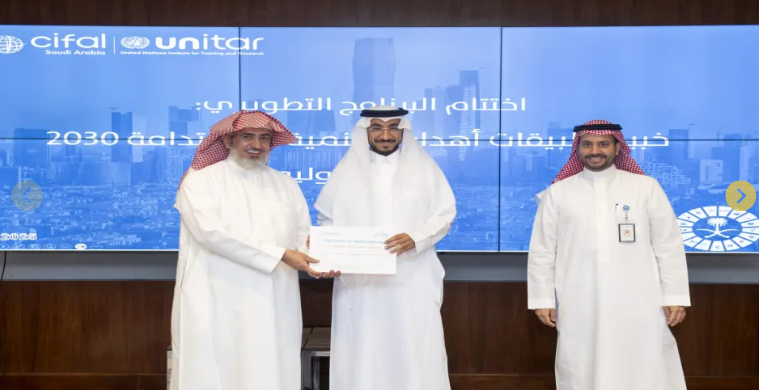
The specialized training program “Expert in Sustainable Development Goals (SDGs) 2030 Applications” was recently concluded in Jeddah. The program was organized by CIFAL Saudi Arabia Center and presented by a group of national academic and professional leaders from various sectors.
This program is conducted regularly by the center as part of the MU’s strong commitment to national empowerment and Vision 2030 goals.
Prof. Al-Dosari, the Vice-Rector, who honored the closing ceremony, pointed out that the university is dedicated to promoting institutional sustainability and building national leaders who can create real impact.The five-day intensive program offered certified training content developed by UNITAR, focusing on advanced concepts and practical applications of the SDGs. It highlighted how these global goals can be implemented in national institutions in alignment with Saudi Vision 2030.
The program featured a diverse group of participants from different universities and sectors across the country. Their active engagement and valuable insights enriched the discussions and created an inspiring learning environment.
This program is part of a series of unique initiatives offered by CIFAL Saudi Arabia, aiming to empower leadership, promote SDG principles, and support national progress by integrating education with institutional development
-
Global Sustainability Leadership (LEAP-FAST Program):
In early 2025, Majmaah University, through CIFAL Saudi, partnered with UNITAR and UNESCO to launch LEAP-FAST (Leadership Program to Accelerate Transformations for Sustainability) mu.edu.sa. This program convened distinguished academic leaders worldwide in a first-of-its-kind initiative to accelerate sustainability transformations in higher education mu.edu.sa. Over three months, participants underwent modules on embedding sustainability principles into university academics, policies, and administration mu.edu.sa. A key component was a major international workshop hosted at MU in April 2025, where leaders exchanged best practices on integrating the SDGs into teaching and research mu.edu.sa. LEAP-FAST not only built leadership capacity but also fostered a global network of higher-education leaders committed to SDG-driven education. This high-profile program underlines MU’s role as a pioneer in sustainability leadership training, reinforcing its contribution to a more sustainable future in line with Vision 2030 mu.edu.sa.
LEAP-FAST: Higher Education Leadership Program to Accelerate Transformations for Sustainability
As part of its commitment to leading sustainable transformation in the higher education sector, Majmaah University, through the Saudi CIFAL Center, launched the LEAP-FAST Program in partnership with the United Nations Institute for Training and Research (UNITAR) and UNESCO. The program brought together a distinguished group of academic leaders and experts from universities around the world. LEAP-FAST is a first-of-its-kind international initiative aimed at accelerating institutional transformation toward sustainability in higher education. It focuses on developing leadership capacity, embedding sustainability principles into academic programs, policies, and administrative structures. The program ran over three months and included five intensive training modules combining self-paced learning, virtual workshops, professional mentoring, and in-person sessions—most notably, the main international workshop hosted at Majmaah University on April 17, 2025. The program aimed to equip academic and higher education leaders with the skills to lead change and effectively integrate the UN Sustainable Development Goals (SDGs) 2030 into their teaching and research efforts. It also fostered the creation of a global leadership network committed to advancing transformational education. This initiative reflects Majmaah University’s dedication to realizing Saudi Vision 2030 and reinforces its role as a pioneering educational institution contributing to a more sustainable and distinguished future—both nationally and globally.

-
Environmental and Sustainability Degree Programs:
MU has expanded its academic portfolio with programs dedicated to sustainability. The Environmental Technology undergraduate program (College of Science) and a Master’s in Renewable Energy Engineering (College of Engineering) are prime examples mu.edu.sa mu.edu.sa. Students in these programs engage deeply with topics like pollution control, biodiversity conservation, clean energy technologies, and climate change mitigation. In parallel, short courses and workshops on specific topics – e.g. Groundwater Detection Methods for local water authorities mu.edu.sa mu.edu.sa – allow students and community members to gain practical skills that support SDG6 (clean water) and SDG15 (life on land). Such targeted offerings underscore the university’s responsiveness to sustainable development needs of its region.
The college holds a training course entitled: (Methods of detecting groundwater)
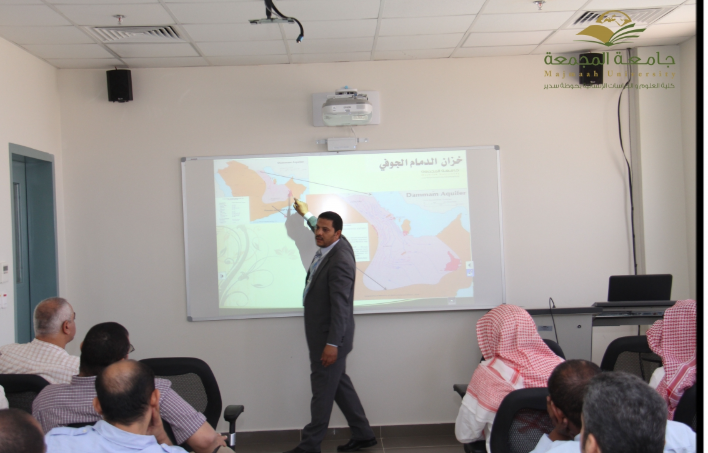
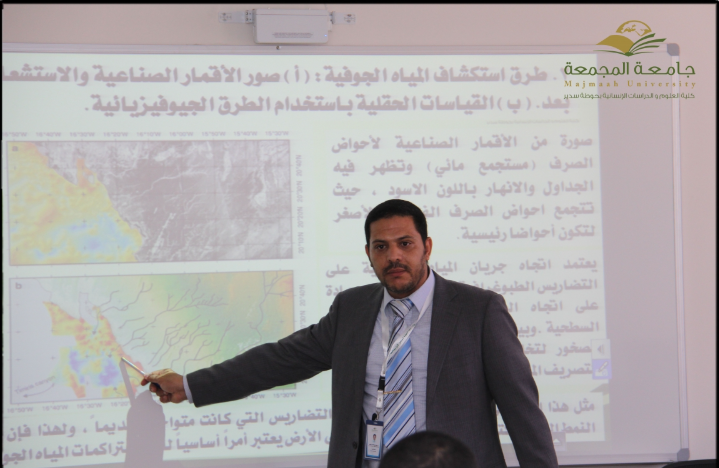
As part of the college’s continuous efforts to serve the local community and surrounding areas, the Physics Department, in collaboration with the Community Service and Continuing Education Unit, organized a training course entitled: (Methods of Detecting Groundwater) on Monday 8/9/1437 AH in the college’s VIP Hall. The course was presented by Dr. Mahmoud bin Jaballah Abdul Mawjoud, Assistant Professor in the Physics Department at the college. The target group of the course was: (Agriculture Office, Water Unit, Municipal and Rural Affairs in Hawtah Sudair). The course aims to develop the participants’ skills in identifying methods of detecting groundwater using satellite images and field geophysical measurements. The course’s axes focused on the following:
An important introduction to groundwater, types of water-bearing rocks, and types of underground reservoirs.
Satellite and Remote Sensing Images.
Field measurements using geophysical methods (Near Surface Geophysical Measurements).
Open dialogue for discussions and interventions.
First, the distribution of water availability on the Earth's surface was indicated, then the types of water-bearing rocks were discussed, along with mentioning the types of groundwater reservoirs in the Kingdom of Saudi Arabia, including the main reservoirs such as the Wajid Groundwater Reservoir, the Sak Aquifer, the Tabuk Aquifer, the Minjur and Dharmah Aquifer, and the Dammam Aquifer, as well as the secondary groundwater reservoirs, such as the Hofuf Aquifer, the Sakaka Aquifer, and the Al-Jawf Aquifer. Then, a set of slides was presented that illustrated the use of satellite images (images of drainage basins and topographic features with the direction of water flow, thermal data images from satellites, and radar imaging images using electromagnetic waves). Models were also presented for the use of field measurements using geophysical methods used in groundwater detection, including:
Electric resistivity method
Time domain electromagnetic method
At the end of the course, attendees expressed their deep gratitude and thanks to the college's deanship for organizing such important and useful courses. Certificates of attendance were also distributed to course participants from outside the college.
-
Human Rights and Ethics Training:
As mentioned, MU played a key role in developing the Expert in Human Rights program in 2024, which integrates leadership, communication, and public policy skills with human rights content arabnews.com. Graduates receive tiered certifications (foundational, expert, trainer) to propagate human-rights education nationally arabnews.com. Global experts like UN Assistant Secretary-General Nikhil Seth and CIFAL Director Alex Mejia lauded this program for linking human rights to every aspect of development and for potentially inspiring similar initiatives regionally arabnews.com arabnews.com. This reflects MU’s broader commitment to ethics, good governance, and social inclusion as critical components of sustainable development education.
New human rights program to build national expertise
Through these programs and courses – ranging from technical environmental training to social sustainability and ethics – Majmaah University not only enriches its curriculum but also extends its impact to professionals and communities, thereby amplifying SDG awareness and expertise at multiple levels.
University-Wide Sustainability Initiatives and 2030 Agenda Awareness
Majmaah University pursues sustainability beyond the classroom through campus-wide initiatives, public outreach, and partnerships that promote the SDGs and the United Nations 2030 Agenda:
-
Institutional Strategy and Culture:
In a strategic move to embed a sustainability culture, MU worked with its CIFAL Center to develop a university-wide SDG empowerment strategy. This plan, grounded in extensive assessment and stakeholder engagement, serves as a guiding reference document to embed sustainability across the university environment m.mu.edu.sa. It activates MU’s leadership role in local and regional development via education, research, and innovation, thereby extending the university’s impact on society m.mu.edu.sa. The strategy explicitly aligns MU’s mission with sustainable development and Saudi Vision 2030, positioning the institution among the nation’s leaders in SDG integration m.mu.edu.sa. University policies and decision-making bodies are now informed by this strategy, ensuring that sustainability is a consideration in all initiatives and that progress is regularly monitored through set indicators.
-
Vision 2030 Awareness Campaigns:
Recognizing the importance of Saudi Arabia’s Vision 2030 (which shares many objectives with the SDGs), MU established a dedicated Vision 2030 Realization Office under the Rector’s supervision mu.edu.sa mu.edu.sa. This office coordinates the university’s contribution to national development programs and tracks how MU’s projects align with Vision 2030 goals. One innovative outcome has been the creation of an interactive “Kingdom’s Vision 2030 Platform” across campus mu.edu.sa mu.edu.sa. Installed in 26 university facilities, these digital kiosks disseminate information, news, and multimedia about Vision 2030’s initiatives – whether led by MU or other entities – thereby spreading a culture of the Vision (and by extension, the SDGs) among students and staff mu.edu.sa mu.edu.sa. This system keeps the university community engaged with national transformation projects and highlights MU’s own Vision-aligned activities. By bringing Vision 2030 content into daily campus life, Majmaah ensures that the 2030 Agenda is understood and embraced at the grassroots level.
Initiatives Management and Vision Realization
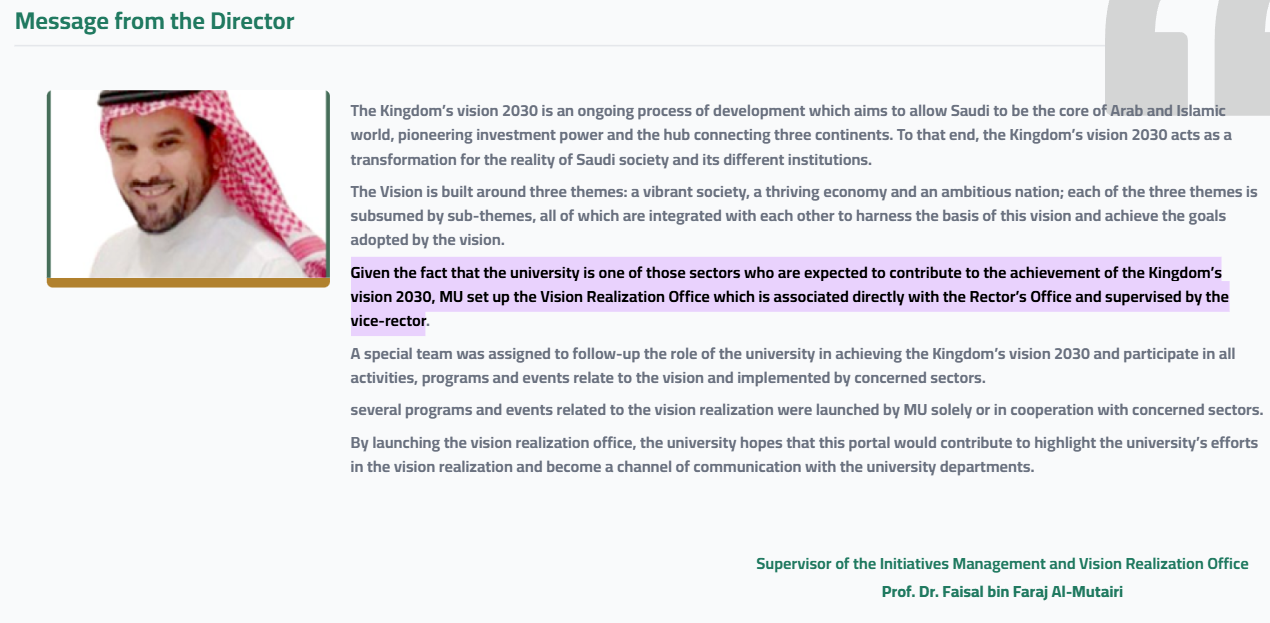
Saudi Vision 2030 platform
System definition:
In line with the university's policy of fully engaging with the Kingdom's Vision 2030, promoting it, its objectives, and the programs it serves, His Excellency the University President, Dr. Khalid bin Saad Al-Muqrin, directed the university to develop an interactive system to disseminate the culture of the vision. Based on this directive, the University's Vision 2030 Realization Office, with the kind support of the General Administration of Administrative and Financial Affairs, and in cooperation with the Project Management Office, the Deanship of Information Technology, the General Administration of Operations and Maintenance, and the General Administration of University Security, built this system and distributed interactive platforms throughout the university's facilities. This interactive technical system provides information, news, and media about the programs and initiatives of the Kingdom's Vision 2030, whether implemented by the university or other entities in the Kingdom. It allows everyone to view these by browsing the 26 electronic platforms distributed across the university's departments, which were carefully positioned in a prominent location in each department, making them easily accessible to both university staff and non-members.
System components:
The system consists of two parts:
Section One: A general section on all platforms, which contains the following:
· Saudi Vision 2030 website.
· University Initiatives Department in the Kingdom's Vision 2030.
· Vision video gallery.
· Vision photo gallery.
· Gallery of articles on vision.
· News gallery for vision updates.
Section Two: Specific to the entity with which the platform is installed, allowing it to highlight its activities in the field of achieving the Kingdom’s Vision 2030. It contains the following:
· Gallery of videos produced by the organization.
· Photo gallery of the entity.
· Gallery of articles on the region
· Region news gallery.
This section also allows the entity to add any activities and advertisements it desires, even when not in the field of view.
-
Sustainability Awareness and Outreach:
MU organizes frequent workshops, campaigns, and community programs to promote sustainability awareness. These range from campus events like Sustainability Week (with tree-planting drives, recycling competitions, etc.) to community-targeted workshops on waste reduction and resource conservation. For example, the university has run public awareness campaigns highlighting responsible consumption and waste management in line with SDG12 mu.edu.sa. Students and faculty lead many of these initiatives, reinforcing learning-by-doing. The university also engages local schools and government offices – such as training water authority employees in sustainable water management mu.edu.sa mu.edu.sa – thereby extending the impact of its expertise to the broader community. Such outreach not only benefits society but also instills in MU’s students a sense of civic responsibility and practical experience in sustainability work.
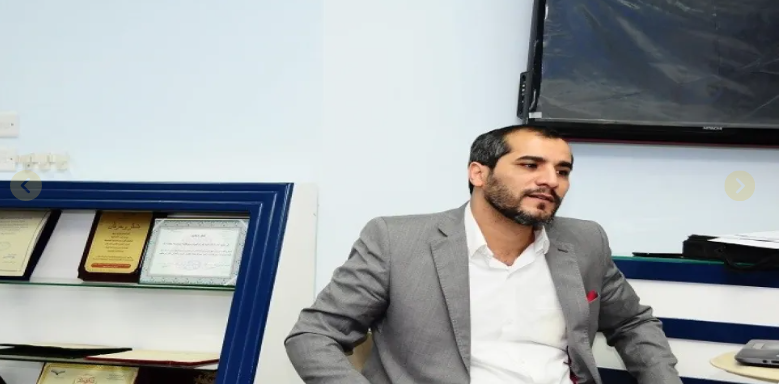
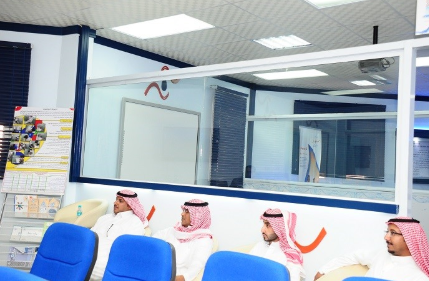
The College of Education in Al Majmaah holds a training course for employees of the Water Department in Al Majmaah Governorate.
As part of the implementation of the community plan of the College of Education in Al Majmaah for the year 1437-1438 AH, and based on the college’s role in meeting community needs by providing community, training and advisory programs with high standards and distinguished quality, the College of Education in Al Majmaah, represented by the college’s agency for postgraduate studies and scientific research, held a training course for employees of the Water Branch in Al Majmaah Governorate entitled: (Time Management), on Sunday 7/12/1438 AH, presented by Dr. Omar Atiyat.
-
Partnerships and Collaborations:
Embracing SDG17 (Partnerships for the Goals), Majmaah University collaborates with a spectrum of partners to advance sustainable development education. Internationally, its affiliation with UNITAR’s CIFAL network provides access to global best practices and training resources mu.edu.sa mu.edu.sa. Nationally, MU works alongside government bodies (e.g. the Ministry of Education, Human Rights Commission) and leading companies. Notably, MU co-organized major events with NEOM, Alinma Bank, and Al Rajhi Bank – key Saudi stakeholders – to bridge academia, industry, and policy on sustainability agendas unitar.org. These partnerships enable resource sharing, internship and research opportunities for students, and joint projects (such as renewable energy pilots on campus) that align with Vision 2030 targets. By actively engaging in multi-sector collaborations, MU amplifies its capacity to promote the SDGs and ensures its initiatives remain relevant to real-world national priorities.
CIFAL Saudi Arabia Center at Majmaah University
https://www.mu.edu.sa/en/centers-and-institutes/cifal-center-2
Established in collaboration with UNITAR, the CIFAL Saudi Arabia Center focuses on training activities related to economic development, social inclusion, and environmental sustainability. The center aims to enhance the capacities of public servants and leaders in Saudi Arabia by offering learning opportunities that promote sustainable development and social inclusion.
CIFAL Saudi Arabia's objective is to provide a range of learning opportunities and facilitate knowledge sharing between public servants and leaders of the Kingdom of Saudi Arabia, to strengthen capacities, improve the decision-making process and encourage sustainable development.
The CIFAL Global Network is under the UNITAR and composed of 34 International Training Centres for Authorities and Leaders. The strategic locations of the 34 centres, which can be found across Asia, Oceania, Africa, Europe and the Americas ensure a global outreach. Each CIFAL centre provides innovative training and serves as a hub for the exchange of knowledge amongst government officials, the private sector, and civil society.
It provides a platform for dialogue and knowledge transfer on key development-related issues.
Over the past five years, CIFAL Global network reached approximately 50000 beneficiaries through 500 learning. events.
Vision:
To excel in creating a sustainable society and a prosperous economy.
Mission:
The Cifal Center strives to create a sustainable society and a prosperous economy by building the capacities of all individuals and entities in society. This is achieved through training opportunities and providing enablers for the exchange of practices, tools and strategies among different sectors locally and internationally to contribute to achieving the United Nations Sustainable Development Goals 2030.
Goals:
1. Promote understanding of (SDGs)
To conduct training programs and workshops to increase awareness and understanding of the 17 Sustainable Development Goals and how to achieve them.
2. Build local and regional capacities
To develop the skills of professionals, policy makers and community leaders to develop their capacities at the local and regional levels.
3. Strengthen strategic partnerships
To encourage cooperation between government, private and international sectors and civil society organizations to achieve the SDGs.
4. Exchange of knowledge and good practices
To create a platform for the exchange of knowledge, experiences and good practices in areas such as sustainable urban management, climate change and poverty reduction.
5. Support innovation and technology
To encourage the use of technology and innovation as tools to accelerate progress towards sustainable development.
6. Raise awareness of global and local challenges
To boost awareness of global challenges such as climate change and poverty, and how local interventions can contribute to solving these challenges.
7. Working with United Nations organizations:
The Saudi Cifal Center provides unique access to global resources and expertise through its global network and affiliation with the United Nations Institute for Training and Research, enhancing its ability to conduct advanced training programs in line with the latest international standards and practices.
8. Specialized local expertise:
The Saudi Cifal Center has a deep understanding of the local context and challenges, enabling it to design training programs specifically to meet the needs of the Kingdom of Saudi Arabia and achieve maximum impact in the areas of sustainable development, management and innovation.
9. Focus on sustainable development:
The Saudi Cifal Center’s commitment to supporting and promoting the United Nations Sustainable Development Goals is a unique factor, allowing the Center to seek to integrate these goals into all its training programs and consulting projects.
10. Strategic partnerships:
The Saudi Cifal Center is proud of its extensive network of partnerships with government agencies, international organizations, private sector, and civil society organizations, which expands its scope of influence and enhances its ability to provide comprehensive and innovative training solutions.
11. Innovation in training:
The center relies on innovative training methods that include the use of modern technology and interactive and experiential learning methods, making the learning experience more effective and attractive for participants.
12. Excellence in quality and performance:
The Saudi Cifal Center is committed to the highest quality standards in conducting training programs, through periodic evaluation and review processes that ensure continuous improvement and development of training content and methods.
13. Tangible and measurable impact:
The center focuses on achieving measurable results with a lasting impact, as training programs are designed not only to transfer knowledge, but to stimulate positive change and enhance individual and institutional capabilities.
14. Flexibility and adaptability:
The Saudi Cifal Center is well-known for its ability to adapt to new changes and challenges, allowing it to provide updated training solutions that respond to the evolving needs of beneficiaries.
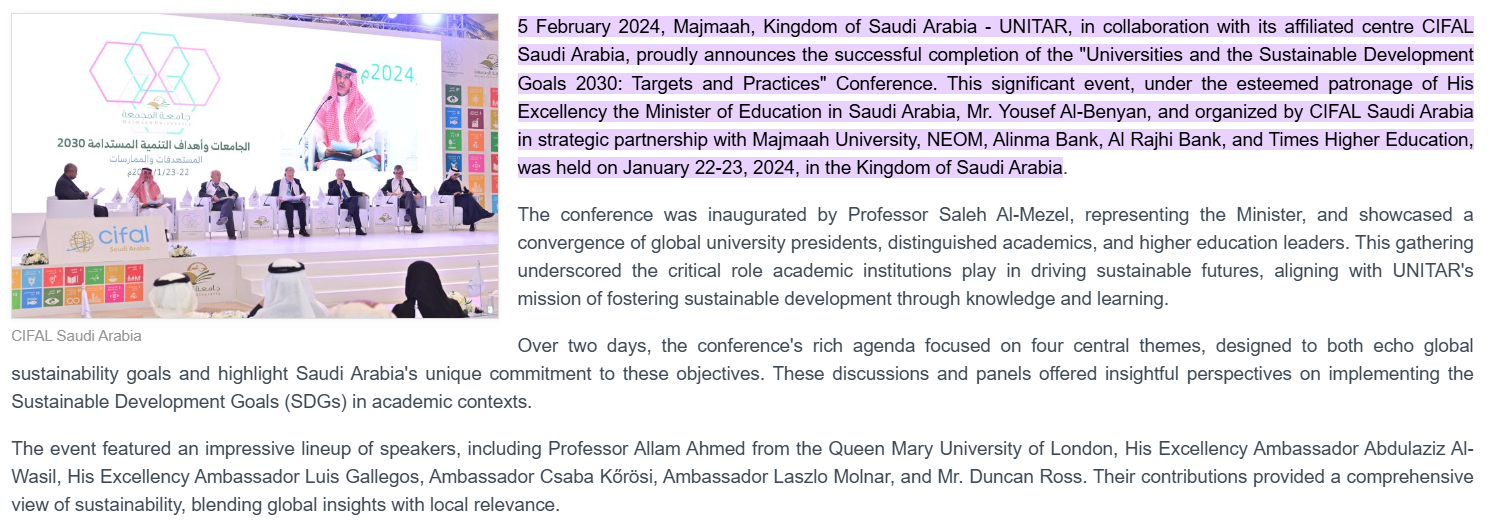
UNITAR and CIFAL Saudi Arabia Lead Conference on Sustainable Development Goals
Through such university-wide efforts and campaigns, Majmaah University nurtures a campus ethos that values sustainability and actively raises awareness of the 2030 Agenda among students, employees, and the surrounding community. This whole-institution approach is critical to making sustainability a lived value rather than just a taught concept.
Supporting Vision 2030 through SDG-Themed Programs
Saudi Arabia’s Vision 2030 provides a national framework for sustainable development, and MU has aligned many of its programs explicitly with Vision 2030 goals and SDG themes:
-
National Development Programs:
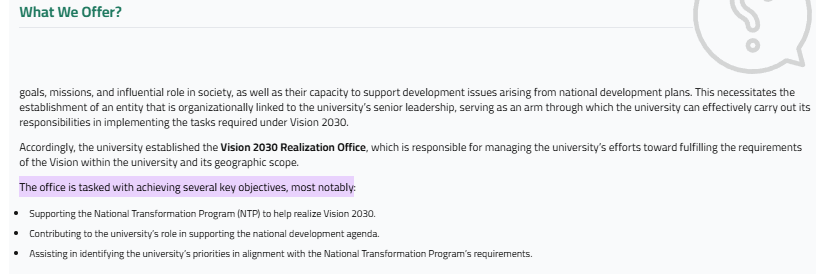
MU’s Initiatives Management and Vision Realization unit steers the university’s contributions to key Vision 2030 programsmu.edu.sa. For instance, MU supports the National Transformation Program (NTP) by identifying how its research and educational initiatives can advance health, education quality, and economic diversification targetsmu.edu.sa. The university systematically maps its strategic priorities to Vision 2030’s three themes (a vibrant society, thriving economy, ambitious nation) and sub-programs. This has led to launching or adapting programs in areas like public health, renewable energy, and digital transformation that directly feed into Vision outcomes. By doing so, MU not only furthers national objectives but also inherently addresses corresponding SDGs (e.g., NTP initiatives on renewable energy align with SDG7, those on educational reform align with SDG4, etc.).
Initiatives Management and Vision Realization
-
Clean Energy & Climate Initiatives:
A standout example of Vision-linked programming is MU’s collaboration with King Abdullah City for Atomic and Renewable Energy (KACARE). Together, they initiated a Wind Energy Center project on MU’s campus in 2022–2023, including installation of a wind monitoring tower as a first phase mu.edu.sa. Prof. Al-Dosari noted this project is part of the university’s drive to support the UN SDGs 2030, led by MU’s Social Responsibility Observatory and CIFAL Center mu.edu.sa. He emphasized its importance in contributing to the Kingdom’s vision in alternative energy, thanking KACARE for partnering to achieve shared goals mu.edu.sa. The Wind Energy Center exemplifies how MU leverages Vision 2030 partnerships to create tangible infrastructure that serves both education and national needs. Similarly, MU’s campus became a pilot site for the National Energy Efficiency Program (Tarsheed), retrofitting 20 buildings with energy-saving systems and smart controls (BMS) to reduce power consumption mu.edu.sa. These projects not only advance Vision 2030’s renewable energy and emissions reduction targets but also give students firsthand experience with sustainable technologies (supporting SDG13 climate action).
ENERGY EFFICIENCY PROJECT LAUNCHED IN UNIVERSITY BUILDING
The General Administration of Projects, Operation and Maintenance (GAPOM), MU, launched in cooperation with the National Energy Efficiency Services Company (Tarsheed), the project of improving energy efficiency in the university’s buildings and facilities. The project aims rationalize the use of energy and reduce consumption in 20 buildings with a total area of 178,000. square metres, in accordance with the best international standards
It is worth noting that (BMS) system was launched earlier to facilitate the management of systems like air conditioning, lighting, fire alarms, and emergencies. GAPOM is overseeing the progress of work which will be soon a joint effort with Tarsheed to have a unified center.
WIND ENERGY CENTER PROJECT AT MU TO BE LAUNCHED
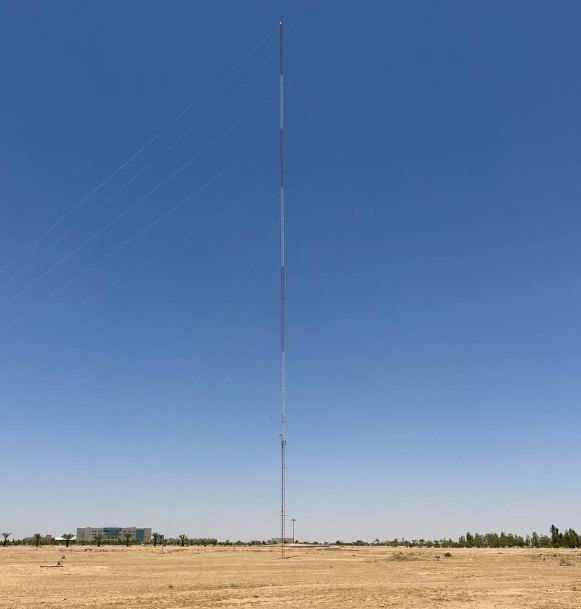
In line with the Memorandum of Understanding (MoU) signed Majmaah University (MU) and King Abdullah City for Atomic and Renewable Energy (KACARE), to establish a wind energy center at the main campus of MU in Majmaah. The monitoring tower was installed. This will be followed by the other stages of the project.
The advisor and supervisor of administrative, financial and technical affairs, Prof. Musallam Al-Dosari, said that this project is within the framework of the university's initiative to launch to support the United Nations Sustainable Development Goals 2030, which is led by the Observatory of Social Responsibility in partnership with the (CIFAL) Center.
Prof. Al-Dosari highlighted the importance of this national project which contributes to achieving the vision of the Kingdom of Saudi Arabia in the field of alternative energy. He thanked KACARE for their cooperating with the university, which undoubtedly will contribute to achieving the goals of both parties.
-
Human Capacity and Social Development:
In line with Vision 2030’s goal of an empowered, knowledgeable society, MU emphasizes building human capacity in SDG-related fields. The human rights expert program (developed with the Human Rights Commission and UN partners) is one initiative that reflects Vision 2030’s pillar of an “ambitious nation” grounded in values arabnews.com. By training 130 participants (with international expert input) in justice and governance topics, the program strengthens national expertise and models how Vision 2030 social reforms can be achieved through education arabnews.com arabnews.com. MU’s community service programs – from literacy campaigns to volunteer initiatives – similarly contribute to Vision 2030 themes of societal vibrancy and solidarity, while tackling SDGs like quality education (SDG4) and reduced inequalities (SDG10). For example, MU’s volunteer hub and Incubator for Volunteer Opportunities connect students to community projects, aligning with the Vision’s call for increased volunteerism and also advancing SDG17 partnerships.
New human rights program to build national expertise
· Global experts highlight program’s potential to inspire regional human rights leadership
· Alex Mejia: Human rights underpin every aspect of human development, governance and societal well-being
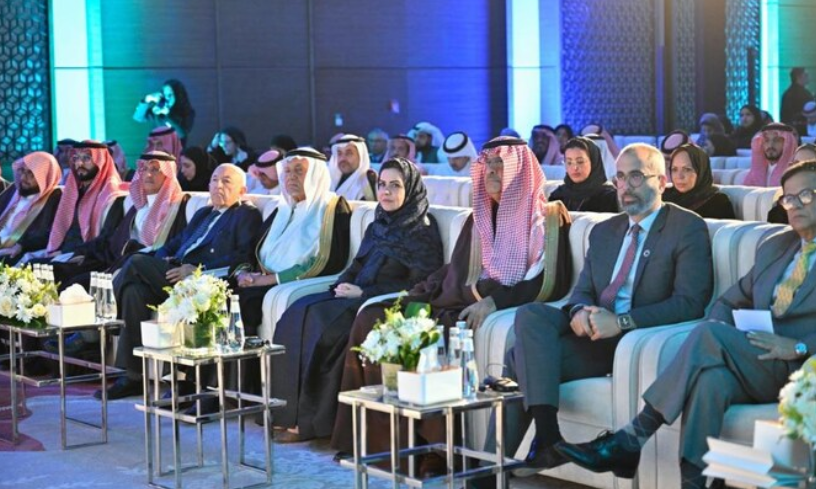
RIYADH: Saudi Arabia’s Human Rights Commission has launched the Expert in Human Rights Program, the first initiative of its kind in the Kingdom to enhance national expertise in the field.
Developed with Majmaah University, the UN Institute for Training and Research, and the International Training Centre for Authorities and Leaders, the program was inaugurated in Riyadh on Monday.
The 250-hour curriculum blends theory and practice to build a strong understanding of human rights. The first cohort includes 130 people, with 50 advancing to higher levels. Graduates will receive certifications, including foundational, expert and trainer qualifications.
Nikhil Seth, UN assistant secretary-general and executive director of the UN institute, praised the collaboration and highlighted its importance in promoting national and international human rights.
“Saudi Arabia can play a leadership role in the multilateral arena by moving from theory to practice through international cooperation,” Seth said.
He highlighted the transformative power of human rights training in promoting justice, equality and peace: “Training equips individuals and institutions to actively contribute to a more equitable and rights-respecting society.”
Alex Mejia, director of the training center’s global network, highlighted the essential link between human rights and sustainable development.
“Human rights underpin every aspect of human development, governance and societal well-being,” Mejia said, adding that the program’s approach integrates leadership, communication skills and public policy, which are key to achieving inclusivity and equality.
The program reflects Saudi Arabia’s commitment to fostering human rights in line with Vision 2030. It aims to benefit the Kingdom and serve as a model for the international community.
Participants will gain insights from global experts, engage in self-assessments and take part in skill-building workshops, positioning them as advocates for human rights.
The initiative is expected to have a multiplier effect, inspiring similar efforts across the Gulf region and beyond.
“This program, rooted in Saudi Arabia’s vision, demonstrates the potential to create a more inclusive and just global society. It is a shining example for the region and the world,” Mejia said.
At a recent meeting in Geneva, Human Rights Commission President Hala Al-Tuwaijri said that Saudi Arabia has implemented significant reforms to reinforce its “unwavering principles of justice and equality.”
Since the launch of Vision 2030, the Kingdom has “experienced unprecedented openness to diverse races, cultures and religions,” she added.
Al-Tuwaijri highlighted the national policy promoting equal opportunities and treatment in employment as a key initiative to eliminate labor market discrimination.
The establishment of labor courts in the Kingdom represents a significant advancement in labor justice, she added.
-
Innovation and Economic Diversification:
The university supports Vision 2030’s economic diversification through research and incubation in fields such as sustainable agriculture, smart cities, and entrepreneurship. MU’s science and engineering faculties work on applied projects (often in collaboration with industry) that address water scarcity, renewable energy, and technology innovation, which map to Vision 2030’s Economic and Digital transformation programs as well as SDGs 6, 7, 9, and 11. By explicitly tying academic R&D to Vision 2030 targets, Majmaah ensures its intellectual contributions assist the country’s long-term development plans. This approach has the dual benefit of giving MU a clear SDG-oriented research agenda and increasing the relevance of its outputs for national stakeholders.
Through these programs and strategic alignments, Majmaah University demonstrates how an institution can operationalize Vision 2030 in tandem with the SDGs. MU’s efforts show that the global SDG framework and Saudi national objectives are mutually reinforcing – and the university is a driving force for both.
Sustainability in Campus Operations, Student Engagement and Policies
Majmaah University’s concept of sustainability extends to campus operations, student life, and governance policies, ensuring that its own practices mirror the principles it teaches:
-
Green Campus and Infrastructure:
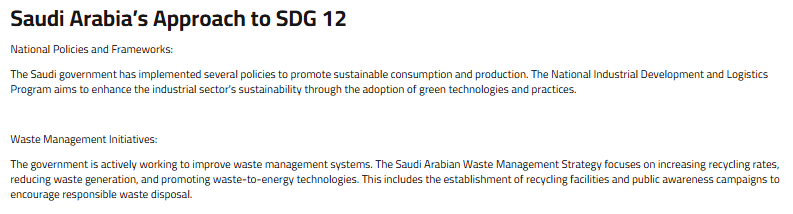
MU has implemented a range of eco-friendly practices on campus to reduce its environmental footprint. Many new and existing buildings feature energy-efficient designs, LED lighting, smart climate control, and solar panels in select locations mu.edu.sa mu.edu.sa. In partnership with the national Tarsheed program, the university retrofitted facilities to cut energy use in air conditioning and lighting – the major sources of campus energy consumption mu.edu.sa. Water conservation measures (low-flow fixtures, irrigation management) and waste reduction programs (recycling bins, paperless administration initiatives) have also been introduced mu.edu.sa mu.edu.sa. These initiatives not only lower MU’s ecological impact but serve as a living lab for students, who can witness and study sustainability solutions in action. In 2024, MU conducted a comprehensive Carbon Footprint assessment of its operations to identify GHG emission sources and mitigation opportunities mu.edu.sa mu.edu.sa. This report underscores MU’s commitment to transparency and continuous improvement in environmental performance. Going forward, the university has set ambitious targets for carbon reduction and is exploring further green measures (such as expanding on-campus solar energy generation and promoting green building standards).
-
Student Engagement and Clubs:
Students at Majmaah are key stakeholders in sustainability efforts. The university encourages active student participation through clubs and volunteer programs focused on the environment and community development. For example, student-led “Green Campus” clubs organize tree-planting drives, campus clean-up days, and recycling campaigns (advancing SDG15 and SDG12). MU also involves students in research projects on renewable energy and conservation; engineering students have contributed to the wind energy project, and science students assist faculty in biodiversity surveys on campus. Hands-on initiatives like these complement academic learning with real-world impact. Moreover, sustainability is a recurring theme in student forums, hackathons, and competitions. MU has hosted innovation challenges where students propose solutions for sustainable cities and communities, some of which have been recognized at the national University Innovation Challenge for Sustainable Development mu.edu.sa. By embedding sustainability into student life, Majmaah cultivates graduates who are not only knowledgeable but also personally invested in SDG action.
Majmaah University participates in the University Innovation Challenge for Sustainable Development at the level of Saudi universities.
Under the direction of His Excellency the University President, Prof. Saleh bin Abdullah Al-Mizal, the University participated in the University Innovation Challenge for Sustainable Development. It is one of the universities keen on this participation. His Excellency the Head of the Innovation and Entrepreneurship Center, Dr. Abdullah bin Saeed Bajhazer, stated that this challenge is important in achieving the Kingdom's Vision 2030. This challenge aims to encourage male and female students in universities to innovate and contribute to raising community awareness in achieving the goals of the Kingdom's Vision 2030 in accordance with the United Nations Sustainable Development Goals. It also supports universities in developing methods of innovation and entrepreneurship, finding innovative solutions and ideas that transform ideas into promising startup companies that contribute to raising the efficiency of the national economy. This challenge is sponsored by the Ministry of Education and organized by the Prince Mohammed bin Salman College of Business and Entrepreneurship, in cooperation with Babson Global College in Britain and the United Nations Sustainable Development Organization.
-
Policy and Governance:
At the governance level, MU has incorporated sustainability into its policies and planning. The university’s strategic plans (including the Fourth Strategic Plan 2025–2030) explicitly reference sustainability and Vision 2030 alignment as core values. An official Sustainable Investment Policy guides the university’s financial decisions to ensure ethical, responsible investment aligned with long-term environmental and social goals m.mu.edu.sa. Procurement policies favor energy-efficient and eco-labeled products where feasible, reducing the indirect footprint of university operations. Importantly, MU’s quality assurance and accreditation criteria now include sustainability benchmarks, per its SDG empowerment strategy m.mu.edu.sa. This means academic departments must demonstrate contributions to SDGs (e.g., through curriculum content, research, or community service) as part of regular evaluations. Additionally, the university has set up an Observatory of Social Responsibility, which works in tandem with CIFAL Saudi, to monitor and advance MU’s impact on society and the SDGs mu.edu.sa. From the Board of Trustees down to departmental committees, there is clear mandate to consider sustainable development in decision-making, reflecting an institutionalization of sustainability.
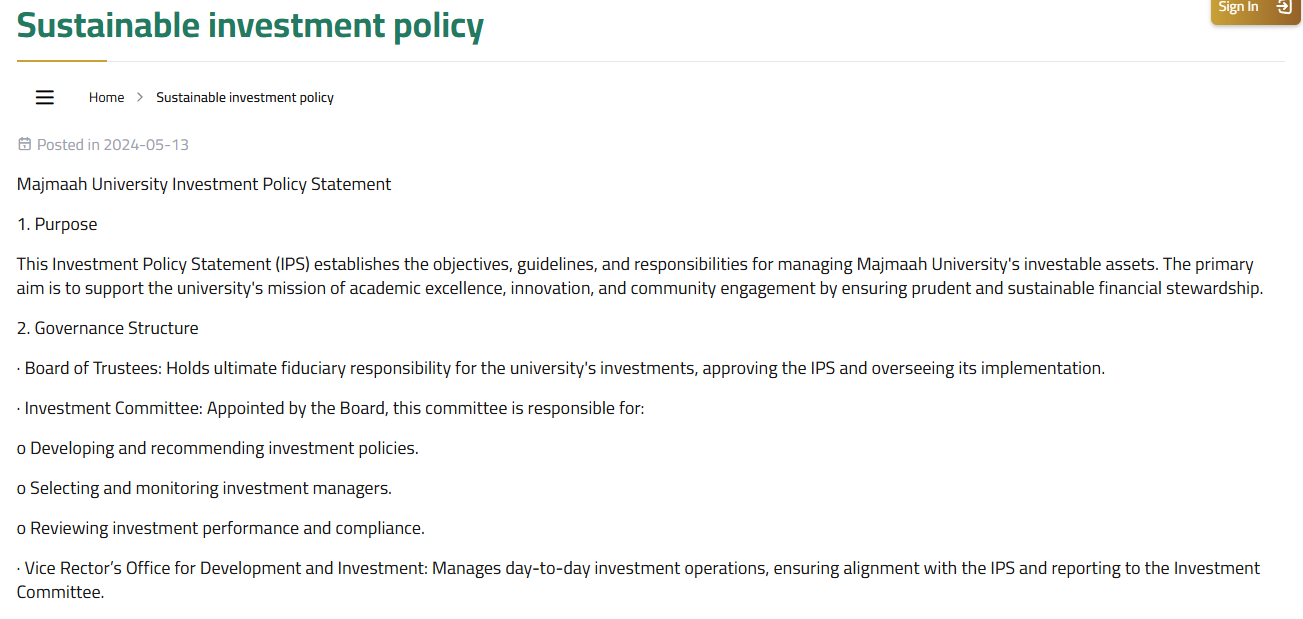
Developing the University’s Strategy to Empower the Sustainable Development Goals (SDGs) 2030
In a strategic move reflecting Majmaah University’s deep commitment to the sustainability agenda, the Saudi CIFAL Center coordinated and developed a comprehensive strategy to empower the Sustainable Development Goals (SDGs) 2030 within the university. This strategy is based on an integrated institutional vision and a scientific methodology grounded in assessment, analysis, and broad stakeholder engagement. The strategy includes: Aligning the university’s academic, research, and community plans with the 17 SDGs. Designing qualitative performance indicators to measure progress toward the goals at the college and administrative levels. Activating the university’s leadership role in influencing local and regional development through education, research, and innovation. Integrating sustainability into institutional governance, policies, and academic accreditation systems. This strategy serves as a guiding reference document that helps embed a culture of sustainability across the university environment. It supports the university’s position as one of the leading Saudi universities in aligning its educational mission with sustainable development requirements—fully consistent with Saudi Vision 2030 and in harmony with the Ministry of Education’s direction toward globally impactful universities.

-
Campus as a Learning Lab:
Many MU sustainability policies double as educational opportunities. For instance, waste management improvements are tied to awareness campaigns where students learn about recycling and composting (with SDG12 in mind) mu.edu.sa. The installation of solar panels came with seminars for engineering students on photovoltaic technology. Even the Vision 2030 kiosks mentioned earlier serve an educational purpose, keeping the community informed and engaged. This holistic integration of campus operations with pedagogy exemplifies sustainability in practice – aligning with SDG4 (quality education) by using innovative, inclusive approaches to teach sustainability on-site.
Through proactive operational changes, student engagement, and governance reforms, Majmaah University is “walking the talk” on sustainability. These efforts ensure that the campus itself is a model environment that reinforces the SDG-aligned knowledge and values imparted in the classroom.
Hosting and Participating in SDG-Focused Events
Majmaah University has significantly raised its profile by hosting and participating in high-level conferences, seminars, and lectures centered on sustainable development:
-
International SDGs Conference 2030:
In January 2024, MU – in strategic partnership with its CIFAL center and UNITAR – hosted the “Universities and Sustainable Development Goals 2030: Targets and Practices” conference unitar.org. Held under the patronage of the Saudi Minister of Education, this major event convened university presidents, scholars, and experts from around the world to discuss higher education’s role in achieving the SDGs unitar.org. Over two days (22–23 January 2024), the conference featured panel discussions and workshops on four central themes echoing global sustainability priorities and Saudi Arabia’s unique context unitar.org. It provided a platform for exchanging ideas, showcasing academic initiatives, and forging partnerships. The opening session delivered an institutional call to action for universities to unify efforts toward the 2030 Agenda, highlighting the critical role of academia in sustainable solutions mu.edu.sa mu.edu.sa. The conference concluded with strategic recommendations on embedding sustainability into university structures and strengthening cross-sector collaborations mu.edu.sa. This event was hailed as a key milestone affirming Majmaah University’s commitment to the SDGs and elevating its leadership in the sustainability sphere mu.edu.sa. Notably, Times Higher Education (THE) was a partner in the conference unitar.org, indicating its relevance to global university impact metrics. The successful execution of this conference not only spurred dialogue nationwide (with local media and participants from many Saudi institutions) but also positioned MU as an orchestrator of important sustainability conversations at the international level.
UNITAR and CIFAL Saudi Arabia Lead Conference on Sustainable Development Goals
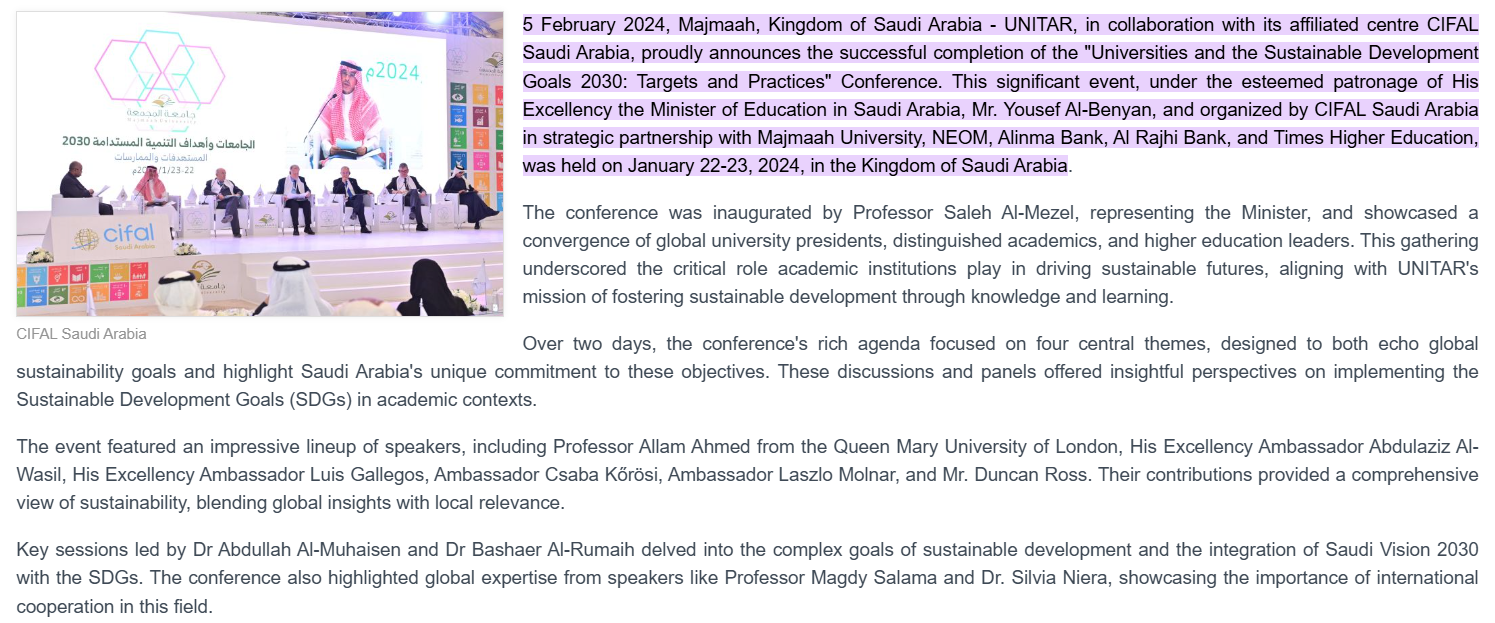
University Conference on Sustainable Development Goals 2030: Targets and Practices
The ""Universities and the Sustainable Development Goals 2030: Targets and Practices"" conference marked a key milestone in affirming Majmaah University and the Saudi CIFAL Center’s commitment to supporting the United Nations’ 2030 Agenda for Sustainable Development. The event brought together a diverse group of academic leaders, practitioners, and both local and international experts. It served as a high-level platform for exchanging ideas, sharing experiences, and strengthening collaboration toward achieving sustainability goals. The conference opened with a strong institutional and intellectual call to action—urging higher education institutions to unify efforts in advancing the sustainability agenda. It highlighted the critical role universities play in developing sustainable solutions and integrating the SDGs into education, research, and community initiatives. The program featured dynamic panel discussions, specialized workshops, and thoughtful deliberations on key challenges and opportunities. It concluded with a set of strategic recommendations focused on embedding sustainability into university structures and strengthening cross-sector partnerships for a more sustainable future.
-
UNITAR & CIFAL Workshops and Seminars:
Beyond large conferences, MU regularly hosts workshops and lectures in collaboration with UN agencies and other universities. For example, CIFAL Saudi (hosted at MU) conducted a specialized workshop on the role of awareness in achieving environmental sustainability, which gathered local officials, academics, and students to discuss community engagement strategies mu.edu.sa mu.edu.sa. Similarly, seminars led by visiting international experts are organized on topics ranging from climate change policy to sustainable urban planning. Majmaah faculty and students also participate in external forums: MU representatives have joined the Higher Education for Sustainability Initiative and inter-university SDG forums, contributing their experiences and learning from global best practices mu.edu.sa. The university’s active presence in such dialogues (often presenting case studies of its Vision 2030 platform or SDG curriculum integration) helps MU benchmark itself and continuously improve its approaches.
CIFAL Saudi Arabia Center at Majmaah
Established in collaboration with UNITAR, the CIFAL Saudi Arabia Center focuses on training activities related to economic development, social inclusion, and environmental sustainability. The center aims to enhance the capacities of public servants and leaders in Saudi Arabia by offering learning opportunities that promote sustainable development and social inclusion.
CIFAL Saudi Arabia's objective is to provide a range of learning opportunities and facilitate knowledge sharing between public servants and leaders of the Kingdom of Saudi Arabia, to strengthen capacities, improve the decision-making process and encourage sustainable development.
The CIFAL Global Network is under the UNITAR and composed of 34 International Training Centres for Authorities and Leaders. The strategic locations of the 34 centres, which can be found across Asia, Oceania, Africa, Europe and the Americas ensure a global outreach. Each CIFAL centre provides innovative training and serves as a hub for the exchange of knowledge amongst government officials, the private sector, and civil society.
It provides a platform for dialogue and knowledge transfer on key development-related issues.
Over the past five years, CIFAL Global network reached approximately 50000 beneficiaries through 500 learning. events.
Vision:
To excel in creating a sustainable society and a prosperous economy.
Mission:
The Cifal Center strives to create a sustainable society and a prosperous economy by building the capacities of all individuals and entities in society. This is achieved through training opportunities and providing enablers for the exchange of practices, tools and strategies among different sectors locally and internationally to contribute to achieving the United Nations Sustainable Development Goals 2030.
Goals:
1. Promote understanding of (SDGs)
To conduct training programs and workshops to increase awareness and understanding of the 17 Sustainable Development Goals and how to achieve them.
2. Build local and regional capacities
To develop the skills of professionals, policy makers and community leaders to develop their capacities at the local and regional levels.
3. Strengthen strategic partnerships
To encourage cooperation between government, private and international sectors and civil society organizations to achieve the SDGs.
4. Exchange of knowledge and good practices
To create a platform for the exchange of knowledge, experiences and good practices in areas such as sustainable urban management, climate change and poverty reduction.
5. Support innovation and technology
To encourage the use of technology and innovation as tools to accelerate progress towards sustainable development.
6. Raise awareness of global and local challenges
To boost awareness of global challenges such as climate change and poverty, and how local interventions can contribute to solving these challenges.
7. Working with United Nations organizations:
The Saudi Cifal Center provides unique access to global resources and expertise through its global network and affiliation with the United Nations Institute for Training and Research, enhancing its ability to conduct advanced training programs in line with the latest international standards and practices.
8. Specialized local expertise:
The Saudi Cifal Center has a deep understanding of the local context and challenges, enabling it to design training programs specifically to meet the needs of the Kingdom of Saudi Arabia and achieve maximum impact in the areas of sustainable development, management and innovation.
9. Focus on sustainable development:
The Saudi Cifal Center’s commitment to supporting and promoting the United Nations Sustainable Development Goals is a unique factor, allowing the Center to seek to integrate these goals into all its training programs and consulting projects.
10. Strategic partnerships:
The Saudi Cifal Center is proud of its extensive network of partnerships with government agencies, international organizations, private sector, and civil society organizations, which expands its scope of influence and enhances its ability to provide comprehensive and innovative training solutions.
11. Innovation in training:
The center relies on innovative training methods that include the use of modern technology and interactive and experiential learning methods, making the learning experience more effective and attractive for participants.
12. Excellence in quality and performance:
The Saudi Cifal Center is committed to the highest quality standards in conducting training programs, through periodic evaluation and review processes that ensure continuous improvement and development of training content and methods.
13. Tangible and measurable impact:
The center focuses on achieving measurable results with a lasting impact, as training programs are designed not only to transfer knowledge, but to stimulate positive change and enhance individual and institutional capabilities.
14. Flexibility and adaptability:
The Saudi Cifal Center is well-known for its ability to adapt to new changes and challenges, allowing it to provide updated training solutions that respond to the evolving needs of beneficiaries.
-
Academic Lectures and Series:
Within the university, themed lecture series keep the momentum on SDGs. The Deanship of Student Affairs and various colleges have hosted guest lectures on the UN SDGs, sometimes featuring speakers from the United Nations or ministries. Topics have included “Sustainable Water Solutions in Arid Regions”, “Ethics and the SDGs”, and “Innovation for Sustainable Cities” – aligning with SDGs 6, 16, and 11 respectively. In 2021, for instance, MU’s College of Science held a public lecture on the UN’s 2030 Agenda, explaining each SDG and linking them to Saudi Vision 2030, which attracted not only students but local community members (enhancing public understanding of the goals). The breadth of SDG-related events ensures continuous learning and keeps the university community updated on global and national sustainability developments.
-
Student Conferences and Competitions:
Majmaah University also encourages student-led symposia and competitions around sustainability. It has supported student participation in events like the Saudi Universities Sustainability Competition and has itself organized campus research fairs where students present SDG-aligned projects (renewable energy prototypes, social entrepreneurship plans, etc.). In doing so, MU nurtures a scholarly environment where sustainability is a prominent theme, and young researchers are motivated to contribute solutions for SDG challenges.
Through hosting and actively engaging in these SDG-focused events, MU enhances knowledge exchange and showcases its initiatives on larger stages. These activities significantly bolster MU’s reputation and networks in the sustainability domain, and the insights gained feed back into improving its own SDG initiatives. They demonstrate MU’s role as a convener and participant in the global effort to achieve the SDGs by 2030.
Conclusion
Since 2020, Majmaah University has demonstrated an unwavering commitment to integrating sustainable development into its core functions – teaching, research, community engagement, and campus management. From revamping curricula to include sustainability across disciplines, to launching pioneering training programs and global conferences, MU has embedded the SDGs deeply within its institutional DNA. These efforts are tightly interwoven with Saudi Arabia’s Vision 2030, reflecting the university’s role in national transformation endeavors. Policies have been reformed to champion sustainability, students have been empowered as change agents, and partnerships have flourished to broaden MU’s impact.
Crucially, Majmaah University backs its commitment with evidence. Official sources record numerous initiatives: environmental courses and labs producing skilled graduates mu.edu.sa mu.edu.sa, sustainable campus projects cutting energy use mu.edu.sa mu.edu.sa, community programs uplifting education and social development mu.edu.sa, and high-level events positioning MU at the forefront of sustainability dialogue mu.edu.sa unitar.org. This comprehensive approach has elevated MU’s reputation and performance in global sustainability metrics, as seen in its improved THE Impact Rankings standing. Indeed, the university’s own strategy document affirms that MU has emerged as a leading Saudi institution aligning its educational mission with sustainable development requirements, in full harmony with Vision 2030 and the Ministry of Education’s drive for globally impactful universities m.mu.edu.sa.
Majmaah University’s case illustrates that meaningful education around the SDGs is not achieved through isolated projects, but through sustained institutional commitment at every level. As the world approaches 2030, MU’s experience serves as a model for how universities can transform themselves and their communities by placing the Sustainable Development Goals at the heart of their mission. Through continuous innovation and dedication, Majmaah University is helping to shape a more sustainable, equitable future – locally in Saudi Arabia and as part of the global higher education community’s contribution to the SDGs.

شارك برأيك وساهم في تحسين خدماتنا.
أعجب 0 من 213 زائر بمحتوى الصفحة. (0% مؤشر رضا الزوار)