
موقع حكومي رسمي تابع لحكومة المملكة العربية السعودية


تنتهي روابط الموقع الرسمي للحكومة السعودية بـ gov.sa
جميع روابط المواقع التعليمية الرسمية في المملكة العربية السعودية تنتهي بـ sch.sa أو edu.sa

تستخدم المواقع الحكومية HTTPS بروتوكولًا للتشفير والأمان.
المواقع الآمنة في المملكة العربية السعودية تستخدم بروتوكول HTTPS للتشفير.



SDG 3.3.1Collaborations with local or global health institutions to improve health & wellbeing outcomes
 نُشِر في 2024-10-23
Updated 30/10/2025
3.3.1 Majmaah University’s Health Collaborations and Initiatives
Formal Collaborations (Local, National, and Global)
Majmaah University has formal agreements and partnerships at the local, national, and international levels to advance health and wellbeing. Key formal collaborations include:
-
Ministry of Health (Saudi Arabia):
In November 2023, Majmaah University signed an MoU with the Ministry of Health to strengthen cooperation in training and research in health fields mu.edu.sa. This collaboration facilitates staff development and aligns the university with national health sector transformations.
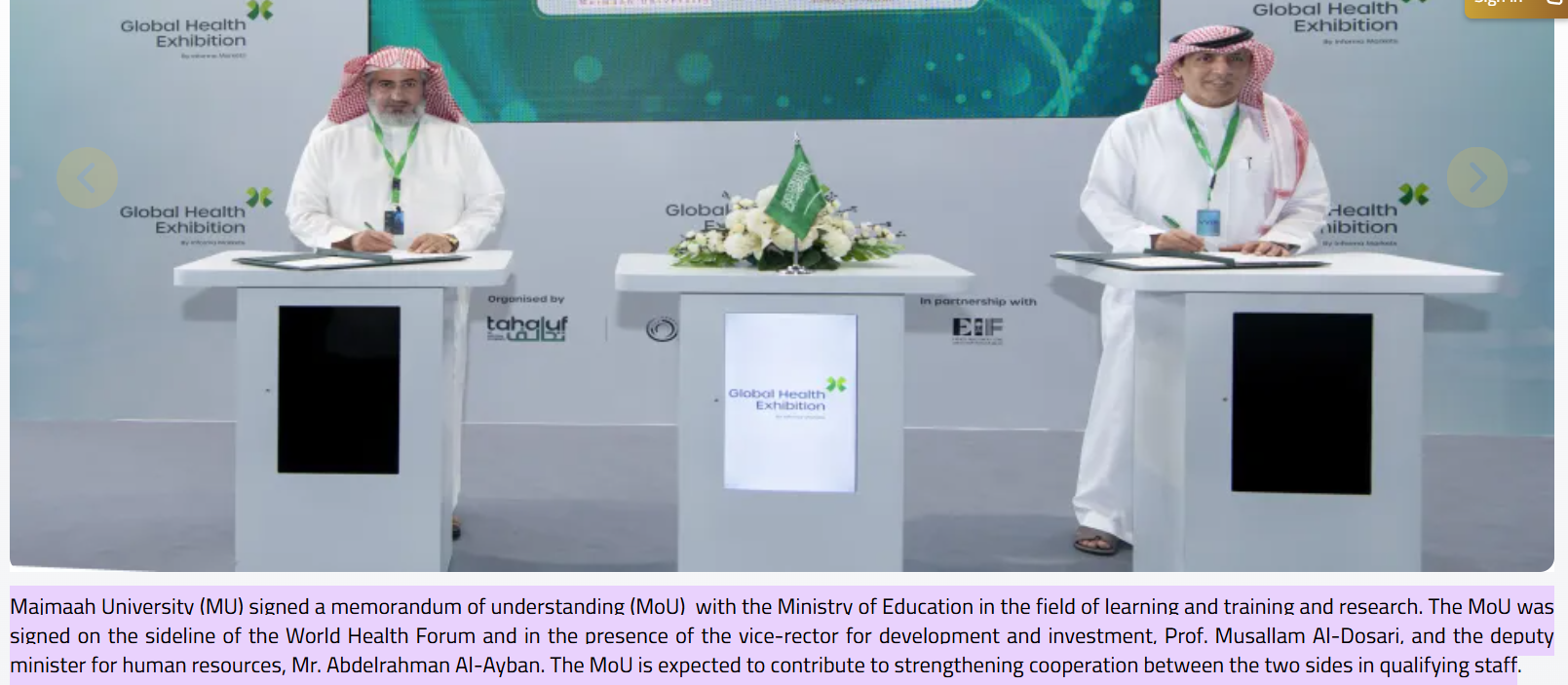
MU SIGNS A MoU WITH THE MINISTRY OF HEALTH IN TRAINING AND RESEARCH
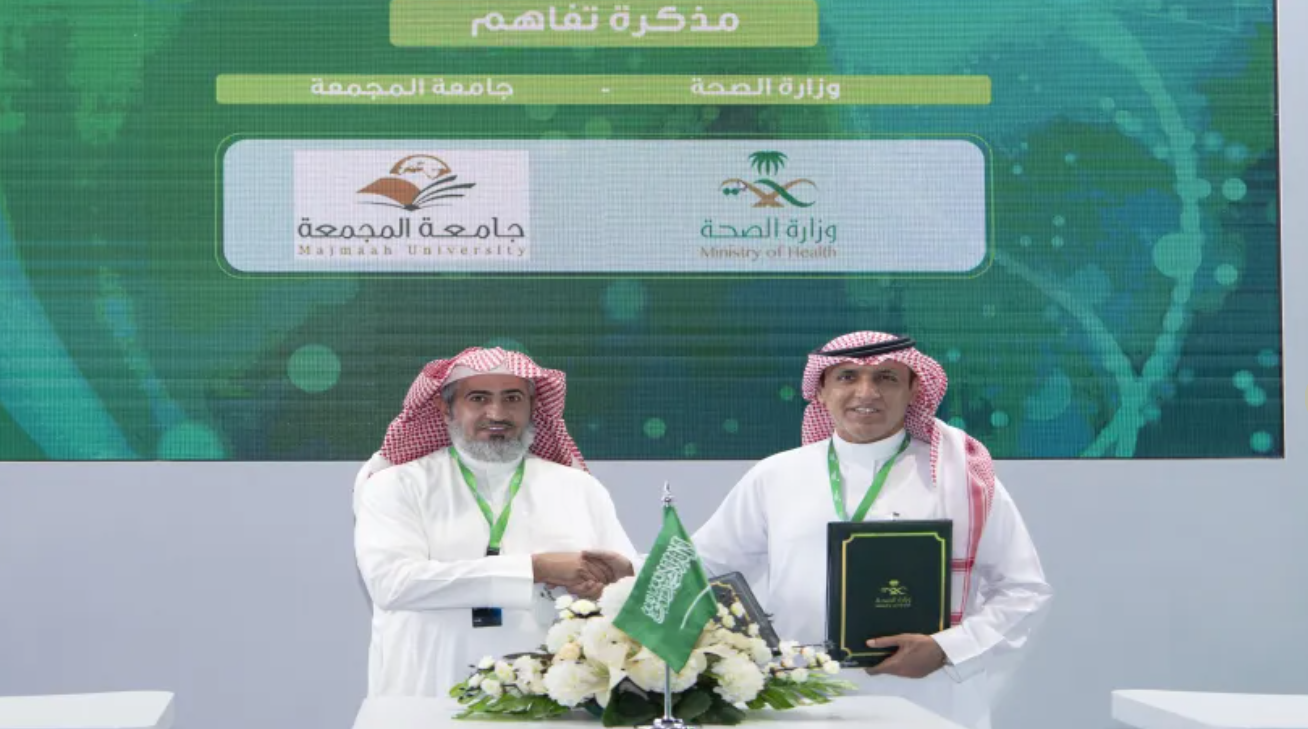
Majmaah University (MU) signed a memorandum of understanding (MoU) with the Ministry of Education in the field of learning and training and research. The MoU was signed on the sideline of the World Health Forum and in the presence of the vice-rector for development and investment, Prof. Musallam Al-Dosari, and the deputy minister for human resources, Mr. Abdelrahman Al-Ayban. The MoU is expected to contribute to strengthening cooperation between the two sides in qualifying staff.
The World Health Forum is held at Roshen Front Exhibition and Convention Center in Riyadh with the participation of 100 speakers in 8 medical areas. The Global Health Forum aims to review investment opportunities, present experiences about the transformation that the health sector is witnessing in the Kingdom, and learn about latest discoveries, medical trends, and business within the global health care community. 8 medical and healthcare fields will be addressed including consumables, health care and public services, imaging and diagnostics, infrastructure, laboratory equipment and devices, medical equipment and devices, in addition to medicines, nutrition, and information technology systems and solutions.
-
Healthcare Institutions (Saudi Arabia):
The university maintains formal ties with major hospitals and health colleges. For example, an MoU was signed with Prince Sultan Military College of Health Sciences to exchange expertise in medical education and trainingmu.edu.sa. Majmaah University has also partnered with King Saud Medical City (a large government hospital) to provide clinical training opportunitiesmu.edu.sa. Additionally, the university’s College of Nursing signed an MoU with the Saudi Professional Nursing Association to develop nursing education and volunteer programsmu.edu.sa.
MU SIGNS MoU WITH PRINCE SULTAN MILITARY COLLEGE OF HEALTH SCIENCES AND BURAYDAH COLLEGES
A ceremony was held by MU to celebrate signing a memorandum of understanding (MoU) with Prince Sultan Military College of Health Sciences (PSMCHS) and Buraydah Colleges (BC), with the aim of collaborating and exchanging expertise in common areas of interest.
The signing ceremony was attended by MU rector, Dr. Khalid Al-Mugren and the university’s Vice-Rectors, Prof. Mohammed Al-Shaye, Prof. Musallam Al-Dosari and Dr. Ahmed Al-Rumaih. The PSMCHS was represented by the Dean, Dr. Eidan Al-Zahrani, vice-rectors Dr. Mohammed Al-Zahrani and Dr. Mohammed Al-Ahmari and Director of PR, Mr. Ibrahim Al-Otaibi. The delegation of BC was head by the advisor of the colleges, Prof. Abdelrahman Abu-Alkhail a number of deans have attended the signing ceremony including Dr. Fahad Al-Mufdi, Dr. Ali Al-Muheimeed and Dr. Mohammed Al-Sweid.
Addressing the audience, MU rector expressed his gratitude with this collaboration with the national academic institutions to meet the university’s objectives related to education, scientific research and community service. Tremendous progress were achieved in academic and administrative areas since the university establishment which are attributed to both, the unconditional support of the government and the dedication and perseverance demonstrated by the university staff, added Dr. Al-Mugren. As a result of this hard work, the university has obtained the academic institutional accreditation for seven years, concluded Dr. Al-Mugren.
The MoU signed in the ceremony are:
-
MoU between MU and PSMCHS to exchange expertise in academic recruitment and promotion
-
MoU between King Salman Institute for Studies and Consulting Services (KSISCS) and PSMCHS to exchange expertise in scientific, technical and training issues.
-
MU and BC to exchange expertise academic recruitment and promotion
-
KSISCS and BC to exchange expertise in scientific, technical and training issues
-
Non-Profit and Community Organizations:
In January 2024, Majmaah University signed an MoU with the Ibrahim Al-Sultan Charitable Foundation, focusing on joint education, community service, and social responsibility programsmu.edu.sa. The university (via its Health and Basic Colleges Research Center) also formalized a cooperation agreement with the Sharek Association for Research and Studies to give MU researchers access to community health data for scientific researchmu.edu.samu.edu.sa. These agreements enable data-sharing and funding for health research benefitting local communities.
International Partnerships:
Globally, Majmaah University has pursued strategic health partnerships. Notably, it signed an MoU with the University of California, San Diego (UCSD) to support faculty/student exchanges and scholarship opportunities in medical and health fieldsmu.edu.sa. The university’s Center for Medical Rehabilitation & Prosthetics forged an agreement with Mobilis (Mobilbs) Company in Dubai to collaborate on advanced prosthetics manufacturing, training, and researchmu.edu.sa. In April 2024, MU also signed an MoU with the King Salman Humanitarian Aid and Relief Center (KSrelief) – a global relief organization – to cooperate in humanitarian health research, data exchange, and volunteer programs, enhancing Saudi Arabia’s role in international health and aid effortsmu.edu.samu.edu.sa. Through these formal agreements, Majmaah University aligns its teaching and research with international standards and expands its impact on global health challenges.
Cooperation Agreement between MU and University of California San Diego followed-up
At the request of the Vice-Rector for Graduate Studies and Scientific Research, Prof. Mohammed Al-Shaya’a and within the framework of following up the Cooperation Agreement signed between MU and other universities, the supervisor of international cooperation and scientific committees, Dr. Ali Al-Sa’awi paid a visit to the College of Applied Medical Science on Wednesday.
The objective of the visit is to figure out the means of mutual cooperation between the two sides, particularly the late agreement signed between MU and University of California San Diego.
The Medical Rehabilitation and Prosthetics Center signs a cooperation agreement in the field of medical supplies industry
https://www.mu.edu.sa/ar/news/general/195916
Based on the development trends and in line with the plan of the University Center for Medical Rehabilitation Technologies and Prosthetics, and the great development the world is witnessing in the field of manufacturing prostheses, and in pursuit of the Center’s Board of Directors in providing health services with high efficiency in cooperation with international and regional expertise, the Chairman of the Board of Directors, Prof. Dr. Musallam bin Muhammad Al-Dosari, signed a cooperation agreement with Mobilbs Company for the manufacture of medical supplies, represented by the Director General, Mr. Makram Tabib, in Dubai, United Arab Emirates, where this agreement includes joint cooperation in the field of prosthetic manufacturing, the field of training and localization of knowledge, and the field of scientific research.
During the visit, the center's team toured the factory of Mobilbs Company, during which they listened to an explanation of the stages of manufacturing prostheses, and to learn about the latest devices and modern technologies used in this field.
For his part, His Excellency the Chairman of the Board of Directors expressed his admiration for the great capabilities he saw, which would provide a great addition to the beneficiaries of the center through the use of the latest technologies, appreciating His Excellency the President of the University, Prof. Dr. Saleh bin Abdullah Al-Mizil, for the great support that the center enjoys in order to provide quality and distinguished services.
MU SIGNS MOU WITH KING SALMAN HUMANITARIAN AID AND RELIEF CENTER
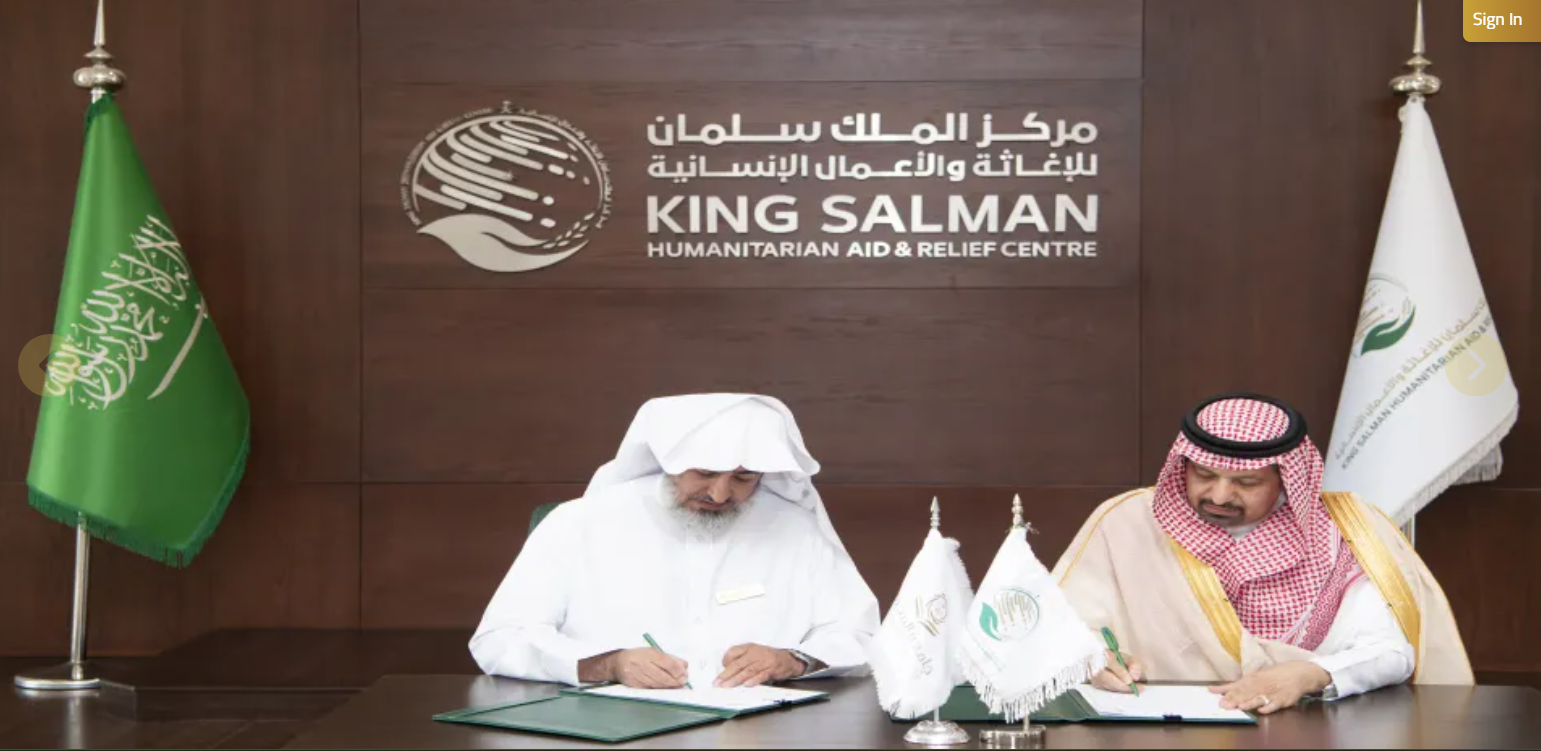
MU signed a memorandum of understanding (MoU) with King Salman Humanitarian Aid and Relief Center on Thursday, April 25, 2024. The MoU, which was signed by Prof. Musallam Al-Dosari, the vice-rector for development and investment, and Dr. Aqeel Al-Ghamdi, the Assistant General Supervisor for Planning and Development Affairs, aims to strengthen the role of the Kingdom of Saudi Arabia in the relief and humanitarian field at the international level through developing relief, humanitarian, and charitable work, activating the role of the King Salman Center for Relief and Humanitarian Aid, and achieving the university’s goals in development support.
MU seeks to expand its cooperation with relevant authorities, and to enhance its role in the humanitarian and development aspects, encouraging academics and researchers to contribute to achieving this vision.
The signed MoU include cooperation in the fields of research and studies, and the exchange of reports and statistics between the two sides along with the participation in all activities organized by both sides such as conferences, workshops, and meetings.
The MoU also features the support of volunteer field, allowing King Salman Center to benefit from the competencies of MU and Cifal Center in activating its volunteer programs.
The director of Cifal Center, Dr. Ayman Al-Barakati, and the director of the Center’s Educational Programs Department, Mr. Suleiman Al-Samhan, also participated in the event of signing the MoU.
Informal Partnerships and Public Health Initiatives
Beyond formal MOUs, Majmaah University actively engages in informal partnerships, outreach, and community health initiatives in collaboration with health institutions:
-
Community Health Campaigns:
-
Student Volunteering and Outreach:
The university regularly partners with local health agencies to run public awareness campaigns. For example, it held a breast cancer early-detection exhibition at a local mall in cooperation with King Khalid Hospital (Majmaah) and the Abdul Latif Center for Early Cancer Detection. A mobile screening van was provided and Ministry of Health staff participated, reaching community members with screening services mu.edu.sa. Similarly, the Volunteer Work Center at MU’s Social Responsibility Observatory organized an influenza vaccination awareness event for university staff in cooperation with the campus Medical Center and health colleges mu.edu.sa. These initiatives educate the public on preventive health (e.g. the importance of flu vaccines) and provide screening services in accessible venues.
Opening of the educational awareness exhibition for the early detection of breast cancer
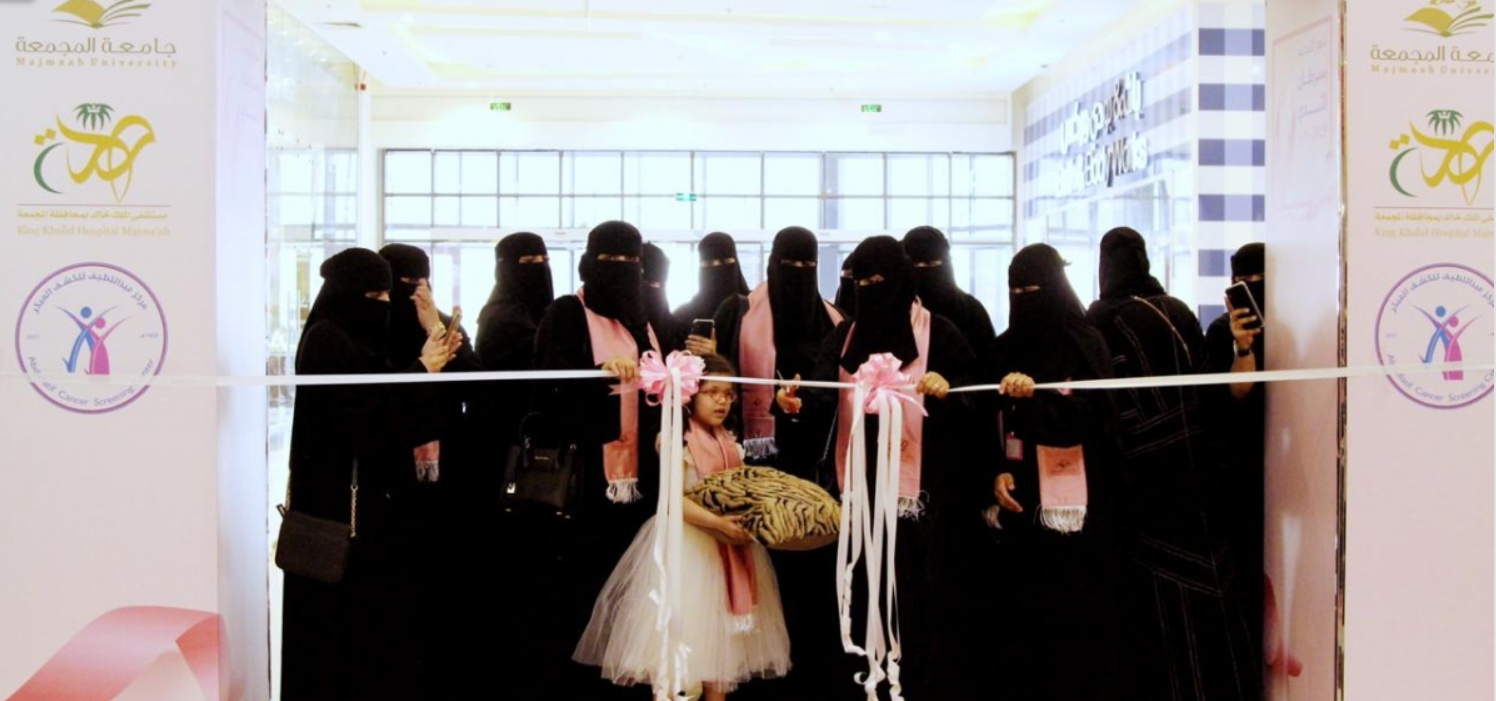
The Vice President for Female Student Affairs, Dr. Jawaher bint Abdulrahman Al-Omar, opened the educational awareness exhibition for the early detection of breast cancer, which is held by the university during the period from 7-1441/2/13 AH in Majmaah Mall daily from four to nine in the evening, and in cooperation with King Khalid Hospital in Majmaah, who was represented during the exhibition by Ms. Hanan bint Abdulrahman Al-Suwaiqi, as well as the Abdul Latif Center for Early Detection of Cancer, where the center provided a vehicle equipped for direct detection, and the opening was attended by a number of From the employees of the Ministry of Health.
VOLUNTEER WORK CENTER AT SRO EDUCATES UNIVERSITY STAFF ABOUT INFLUENZA VACCINE
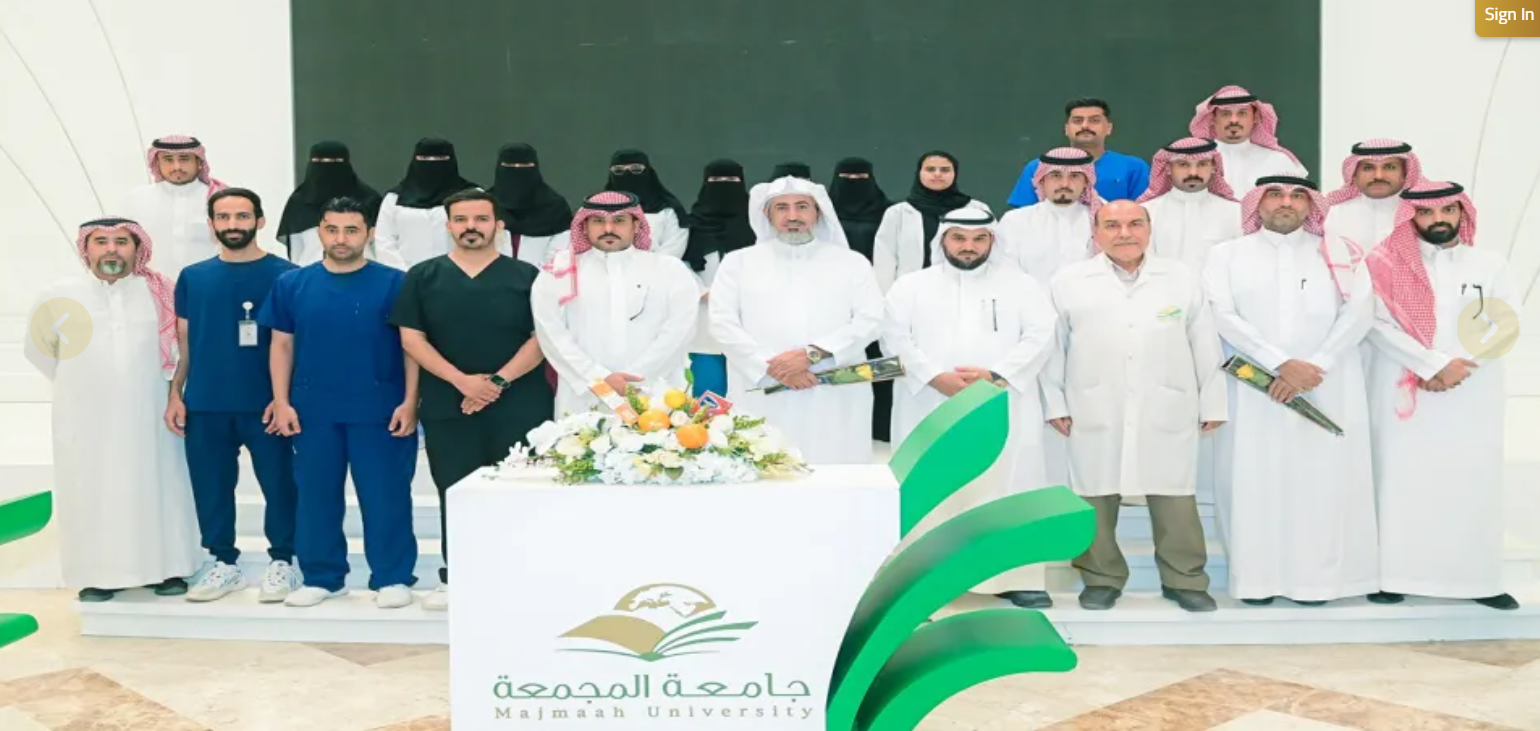
An event was organized by the Volunteer Work Center at the Social Responsibility Observatory to educate the university staff about the importance of seasonal Influenza vaccine. The event - launched by Prof. Al-Dosari, the advisor and supervisor of administrative, financial and technical affairs, was held in cooperation with the Medical Center and health colleges.
Dr. Faisal Al-Mutairi, the supervisor of Social Responsibility Observatory, pointed out that such events are conducted at the request of MU rector to open up to the community and to achieve the goals set for the health field.
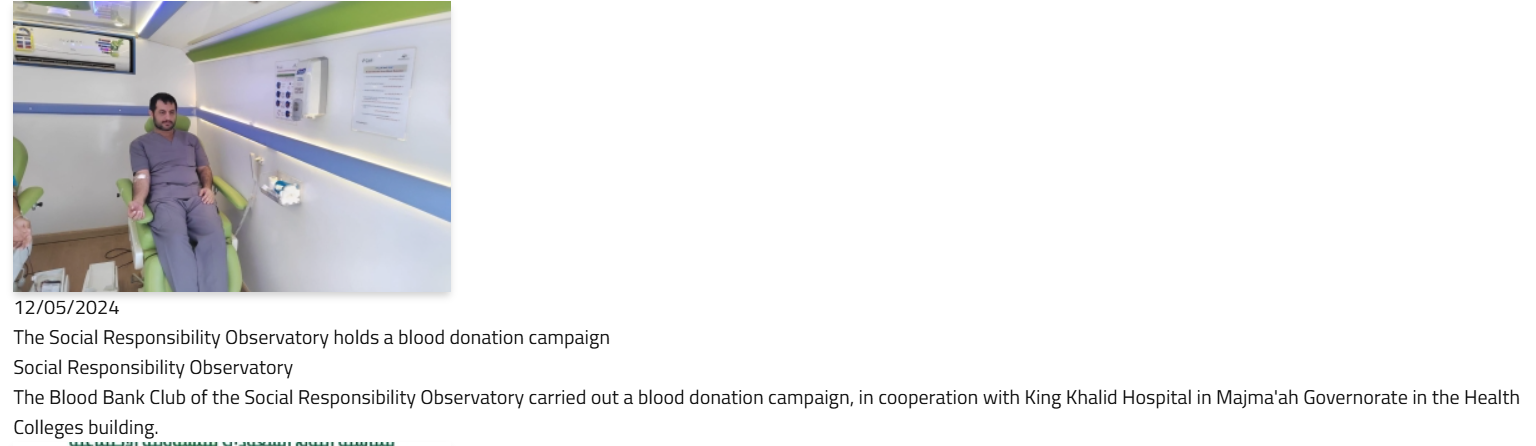
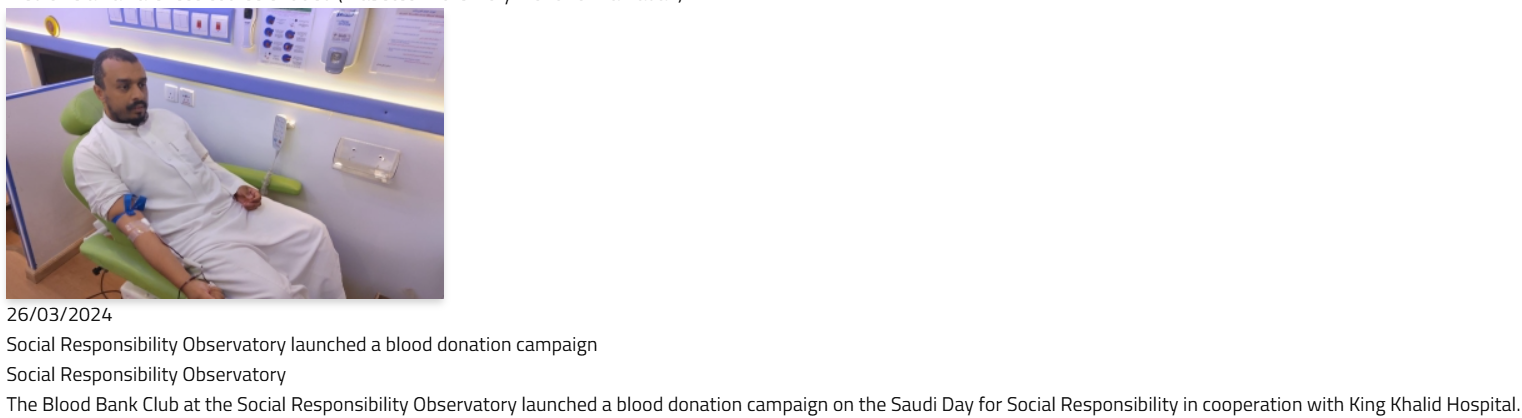
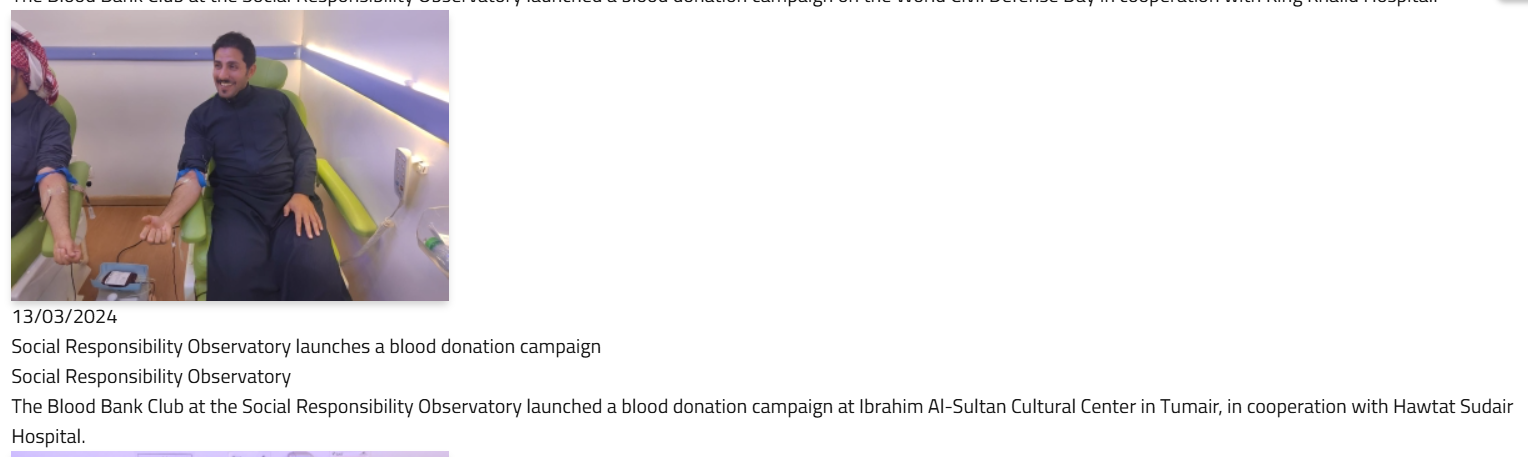
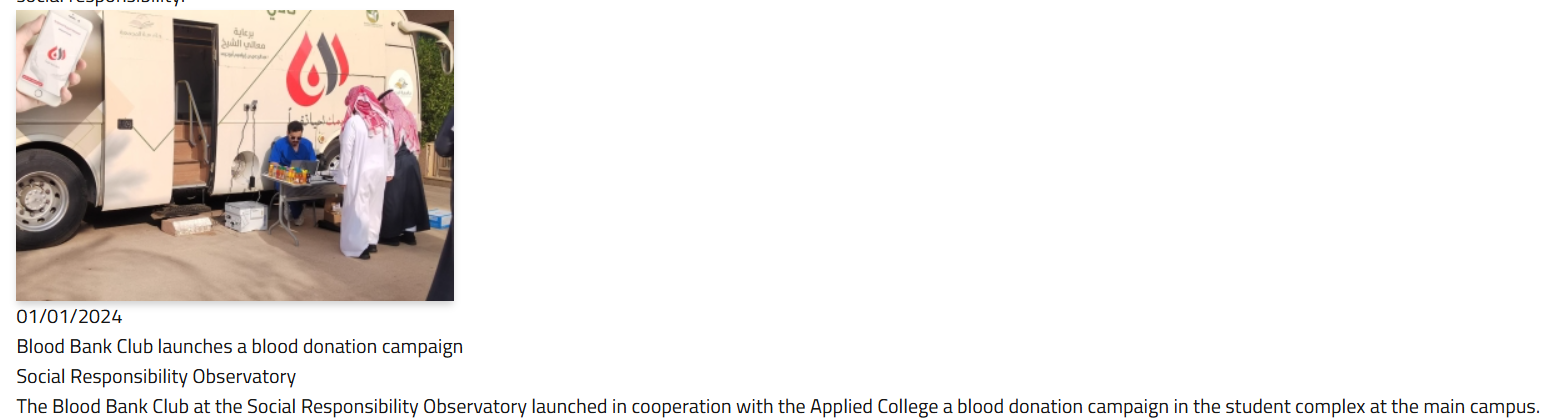
Majmaah University students and staff volunteer in national health efforts, often alongside organizations like the Saudi Red Crescent Authority. During the COVID-19 pandemic, the university’s Blood Bank Club launched a “Donate With No Gathering” blood donation campaign in coordination with local hospital blood banksmu.edu.sa. Teams of MU volunteers went door-to-door across Majmaah, Tumair, Zulfi, and Ghat, avoiding large crowds while collecting much-needed blood. This multi-stage campaign, run with King Khalid Hospital (Majmaah), Zulfi General Hospital, Tumair Hospital, and a local community association, collected 612 units of blood over 25 days with the help of about 37 volunteers per stagemu.edu.samu.edu.sa. Another longstanding effort is student volunteering during the Hajj pilgrimage: MU’s College of Applied Medical Sciences sends students to join Red Crescent medical teams in Mecca. For instance, 17 MU students (with faculty supervisors) assisted Red Crescent paramedics in Mina – taking pilgrims’ vital signs, providing first aid, and supporting ambulance services – as part of the university’s contribution to Hajj health servicesmu.edu.sa. Such volunteer programs give students practical experience while fulfilling national and religious duties of community service.
BLOOD BANK CLUB HOLDS VOLUNTARY INITIATIVE TITLED “DONATE WITH NO GATHERING"
Since the beginning of the implementation of the national plan to deal with the Coronavirus pandemic, the University has taken serious steps to execute the national plan. Many departments and units on campus have sought to activate volunteerism in order to support the national efforts in the fight against COVID19 pandemic.
Due to the importance of blood availability at the hospitals, especially in the current circumstances, the University Blood Bank club has launched a voluntary initiative titled “Donate with no gathering”.
The initiative included blood donation campaigns in cooperation with blood banks at the hospitals within the geographical scope of the University. This was done by going to the donors’ houses for donation to avoid crowding at blood donation centers.
The campaign was carried out in several stages:
The first stage lasted for two weeks in Majmaah city, while the second took one week in the town of Tumayer. The third and fourth stages took one week each in Zulfi and Ghat towns, respectively.
About 37 volunteers from different departments joined the initiative at each stage. The initiative has also seen participations of the following institutions:
-
King Khalid Hospital in Majmaah
-
Zulfi General Hospital
-
Association of Guidance and Community Awareness in Tumayer
-
Tumayer General Hospital
-
Al-Fayha Sports Club
-
Sheikh Abdulrahman Bin Ibrahim Abu Haymed Co., Ltd.,
The campaign lasted for 25 working days and received 612 units of blood in 125 working hours.
The university' students volunteer for participation in Hajj season this year
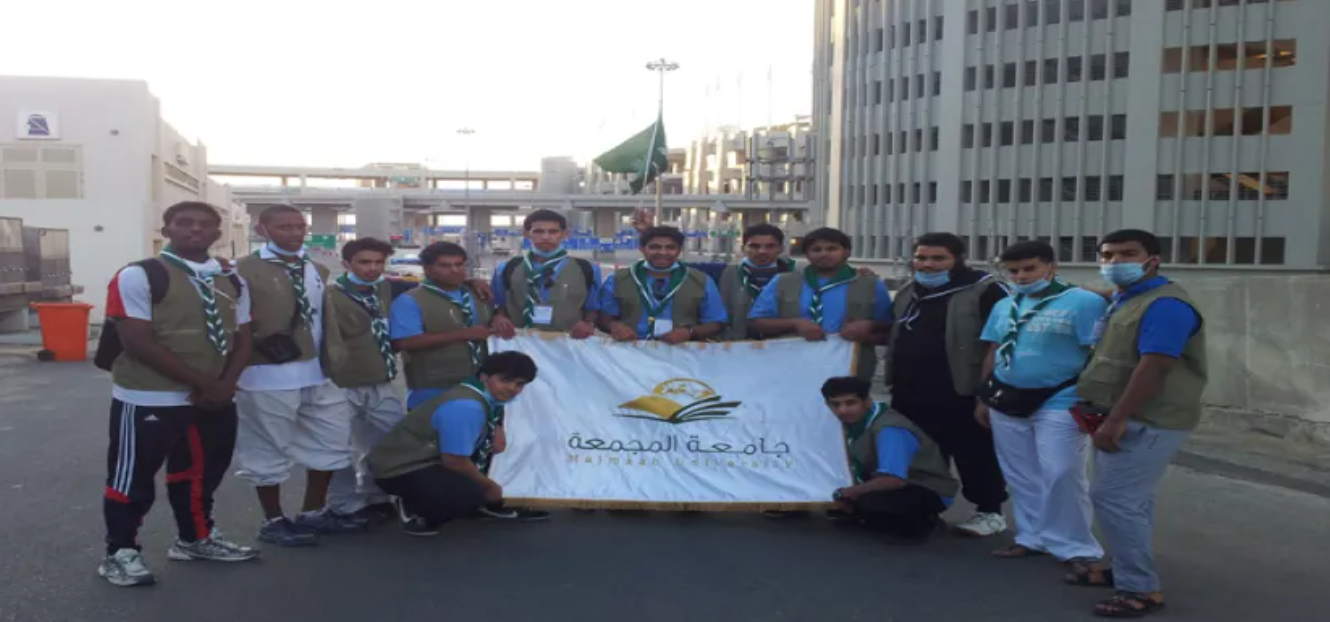
Under the instructions of His Excellency the rector of the university Dr. Khaled bin Saad Al Muqrin, the university participates in Hajj season this year with a number of students for participating in hajjis service as a national and religious duty. The students number was 17 student with 2 supervisors from the College of Applied Medical Sciences who joined Saudi Red Crescent Authority in Mina. They are distributed to different periods of work as they participate during their work members of Saudi Red Crescent Authority in taking vital signs and other patient observations and accompanying ambulances for providing aid to injured people as the case may need. Also, the deanery of students affairs in the university participates with 17 distinguished rangers from the university rangers group. They will perform the duties of guiding and directing the lost hajjis and contributing in the organization. Several courses held for them before going to Mecca such as, survey and guidance course and first aid course. The deanery of students affairs cared about providing all rangers' needs. It provided them with travel orders, air reservations, transportation from and to airport. Also, rangers were accompanied by the deanery deputy Mr. Khaled Al Afisan who considered one of the competences in Saudi Scout and nominated by the Saudi Scout Association to be one of the leaders in public service camps for hajj this year. He , in turn, said that this participation is considered to be the first one for the university scout which provides a chance to serve hajjis, gaining experience and contacting the past rangers and scouts from other sectors. He thanked His Excellency the rector of the university for his follow up and for possibilities provided to scout authority. He thanked University deputy for his uninterrupted encouragement for participation scouts in all their activities, camps and trips. He wished success for all participators from Al Majmaah University in ritual of hajj this year, for serving Islam and the Kingdom and performing the instructions of wise leadership.
-
Joint Events, Trainings and Conferences:
The university co-hosts health events with partners to build capacity and share knowledge. In October 2025, Majmaah’s Applied College in Zulfi arranged a Basic First Aid training workshop in collaboration with the Saudi Red Crescent Authority mu.edu.sa. Red Crescent paramedic trainers led hands-on sessions in wound management, CPR, and emergency response for students, enhancing their confidence and preparedness for real-life emergencies mu.edu.samu.edu.sa. The university also participates in multi-institutional events like the Health Innovation Hackathon (Jan 2024) organized by King Saud bin Abdulaziz University for Health Sciences, where MU students worked alongside peers from other universities and agencies (Ministry of Education, Saudi FDA, SDAIA, etc.) on tech innovations in healthcare mu.edu.samu.edu.sa. Additionally, Majmaah University hosted an International Stroke Conference (2024) which convened health experts, researchers, and practitioners from various institutions to share the latest advances in stroke prevention and treatment – underscoring MU’s commitment to collaborative scientific exchange in critical health areas mu.edu.samu.edu.sa.
Applied College organizes First Aid Training Workshop in Collaboration with the Saudi Red Crescent Authority
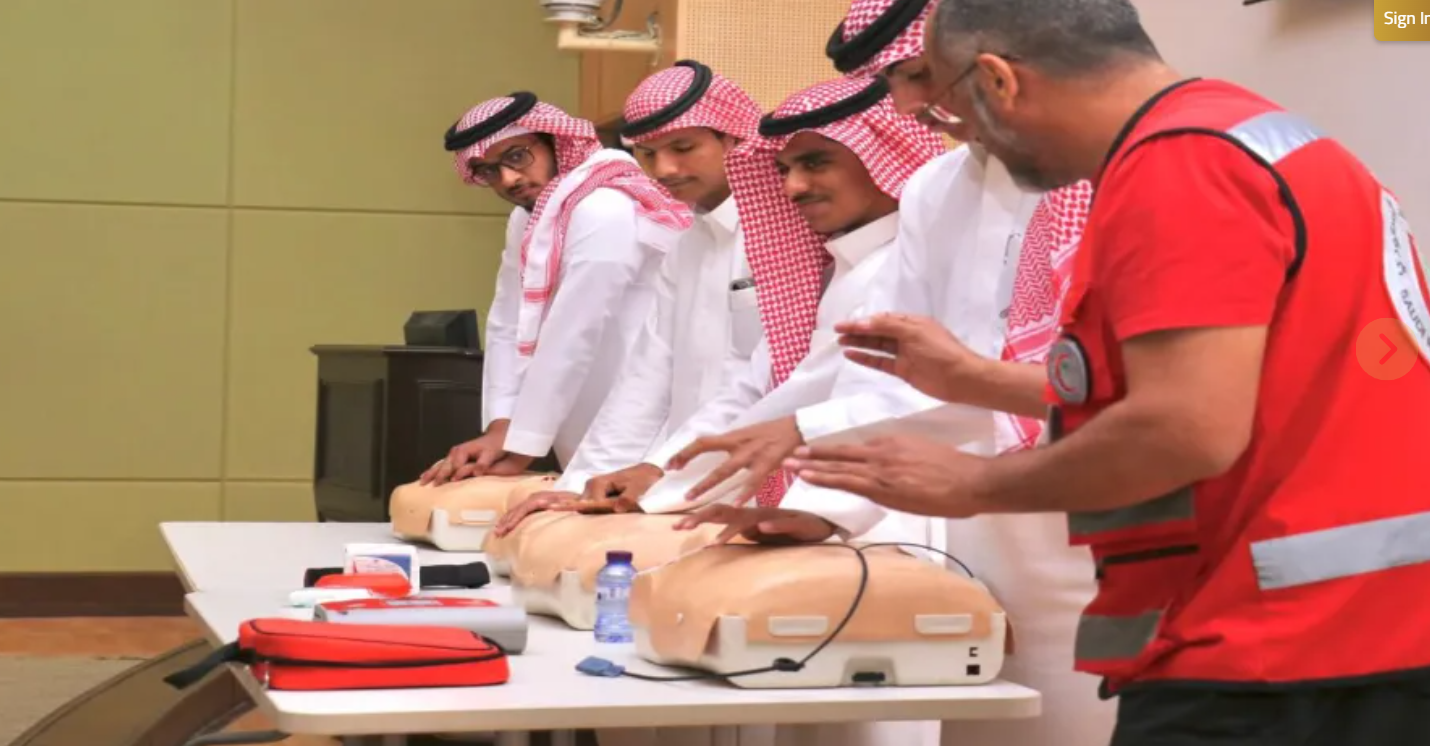
As part of its commitment to promoting health awareness among its students and staff, and strengthening partnerships with relevant organizations, the Applied College’s Student Affairs Unit organized a training workshop titled “Basic First Aid Skills” in collaboration with the Saudi Red Crescent Authority in Zulfi. The workshop aimed to equip students with essential knowledge and practical skills for handling emergency situations.
The program featured both theoretical and hands-on sessions, covering topics such as the concept and importance of first aid, methods of managing wounds, bleeding, and burns, as well as cardiopulmonary resuscitation (CPR) and the proper response to choking and fainting cases—all while emphasizing safety measures for both the rescuer and the injured.
Trainers from the Saudi Red Crescent Authority provided practical demonstrations and field exercises that enhanced students’ confidence in dealing with emergencies.
Partnership with King Saud bin Abdulaziz University for Health Sciences
https://www.mu.edu.sa/ar/news/deanships/deanship-of-student-affairs/211371
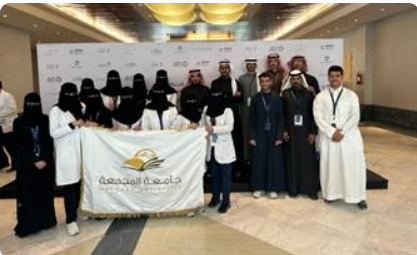
The university, represented by the Deanship of Student Affairs, concluded its participation in the Health Innovation Hackathon in its fourth edition, which was held from January 19-22, 2024 at King Saud bin Abdulaziz University for Health Sciences in Riyadh, Jeddah and Al-Ahsa, under the supervision of the Intellectual Awareness Unit at the Deanship of Student Affairs at King Saud Health University and in partnership with the Research and Innovation Agency at the Ministry of Education, the Saudi Authority for Intellectual Property, the Saudi Authority for Data and Artificial Intelligence (SDAIA), the Saudi Authority for Small and Medium Enterprises (Monshaat), the Saudi Food and Drug Authority and the Research Development Authority Innovation.
For his part, the Dean of Student Affairs explained that the participation was represented in a number of projects and innovations, extending his thanks to His Excellency the President of the University, Prof. Dr. Saleh bin Abdullah Al-Mizil, for the great support enjoyed by the Deanship and university students and pushing them towards excellence in future fields such as artificial intelligence, robotics and fifth generation applications by linking them technically in the health fields to be consistent with the Kingdom's Vision 2030, noting the follow-up of the Vice President for Educational Affairs, Prof. Dr. Muhammad bin Saleh Al-Aboud
Partnerships with Hospitals, Government Health Agencies, NGOs and Global Organizations
Majmaah University’s network of collaborations spans hospitals, government bodies, non-governmental organizations (NGOs), and international agencies:
-
Hospitals and Health Clusters: The university works closely with local and regional hospitals. King Khalid Hospital in Majmaah is a frequent partner for clinical training, joint community campaigns, and research. MU researchers collaborate with the Riyadh Second Health Cluster (which includes King Khalid and other hospitals) – for example, an MU-led COVID-19 study was a “fruitful cooperation” between Majmaah University and Riyadh Health Cluster II, involving shared clinical data and expertisemu.edu.sa. The university also lists King Saud Medical City in Riyadh among its key collaborators, leveraging this large hospital for student internships and clinical rotationsmu.edu.sa. These hospital partnerships ensure that medical and health sciences students gain hands-on experience and that research is translated into improved patient care locally.

In a new achievement: a research team is conducting and publishing scientific research on Corona disease
https://www.mu.edu.sa/ar/news/general/197321
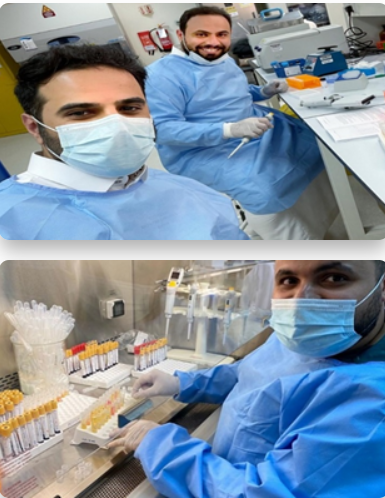
In a new achievement added to many of the achievements made by the university, a research team led by Dr. Wael Al-Tariqi - Associate Professor in the Department of Medical Laboratory Sciences at the College of Applied Medical Sciences and a specialist in immunology - published a scientific research that proved a relationship between the admission of Corona patients to intensive care and the production of a number of immune proteins in response to the inflammatory condition due to infection with the emerging coronavirus-2, which causes COVID-19.
Dr. Wael Al-Tariqi stated that this study may enable doctors to predict the dissatisfaction of the patient's condition and his need for intensive care when the levels of these types of immune proteins rise, and then we can predict the course of the disease and give immune drugs as one of the proactive solutions, indicating Dr. Al-Tariqi - the first researcher - that this paper is the first for his scientific team that was accepted for publication in one of the 45-year-old The Cell magazines, and that the university’s name is mentioned in the prestigious journals No doubt it is a source of pride and pleasure.
Dr. Al-Tariqi added that this study was an extension of the results of the master’s student in the Department of Laboratories Saad Al-Omari, and was the result of fruitful cooperation between the university and both: Riyadh Health Cluster II, King Saud University, Prince Sattam University, and from outside the Kingdom University of Florida, and the University of Liverpool.
For his part, Dr. Al-Tariqi thanked His Excellency the President of the University, Prof. Saleh bin Abdullah Al-Mizil, for the continuous and unlimited support, and to the Vice President for Graduate Studies and Scientific Research, Dr. Ahmed bin Ali Al-Rumaih, and to the Deanship of Scientific Research, and His Excellency the Dean of the College and Head of the Department.
It is worth mentioning that this study recently received two awards, the first was on the Scientific Research Day held at King Khalid Hospital in Majmaah, and the second was from the annual research conference organized by the second health cluster in King Fahd Medical City in Riyadh.
-
Ministry of Health and Health Departments:
Collaboration with the Ministry of Health (MOH) is integral to Majmaah’s health strategy. The MOH not only signed a training/research MoU with MUmu.edu.sa, but also supports the university’s health infrastructure. For instance, the MOH coordinated with MU to equip the University Medical Center with modern diagnostic facilities, expediting approvals and supply of equipmentmu.edu.sa. MOH personnel often engage in MU’s community health programs (e.g. MOH staff attended the joint breast cancer awareness eventmu.edu.sa). Such ties to government health authorities allow Majmaah University to align with national health initiatives and quickly mobilize resources for public health needs.
-
Saudi Red Crescent Authority:
The Red Crescent (the national emergency medical service) is a longstanding partner, especially for emergency medicine training and volunteer service. Majmaah University and Red Crescent have an informal working relationship formalized through joint activities rather than a single MoU. Red Crescent professionals regularly conduct first aid workshops and drills on MU campuses (as seen in the 2025 training at Zulfi)mu.edu.samu.edu.sa. In turn, MU volunteers support Red Crescent operations during mass gatherings (e.g. Hajj)mu.edu.sa and local disaster drills. This synergy helps build a culture of preparedness and mutual aid: MU provides eager manpower and venues, while Red Crescent provides expertise and deployment opportunities.
Applied College organizes First Aid Training Workshop in Collaboration with the Saudi Red Crescent Authority
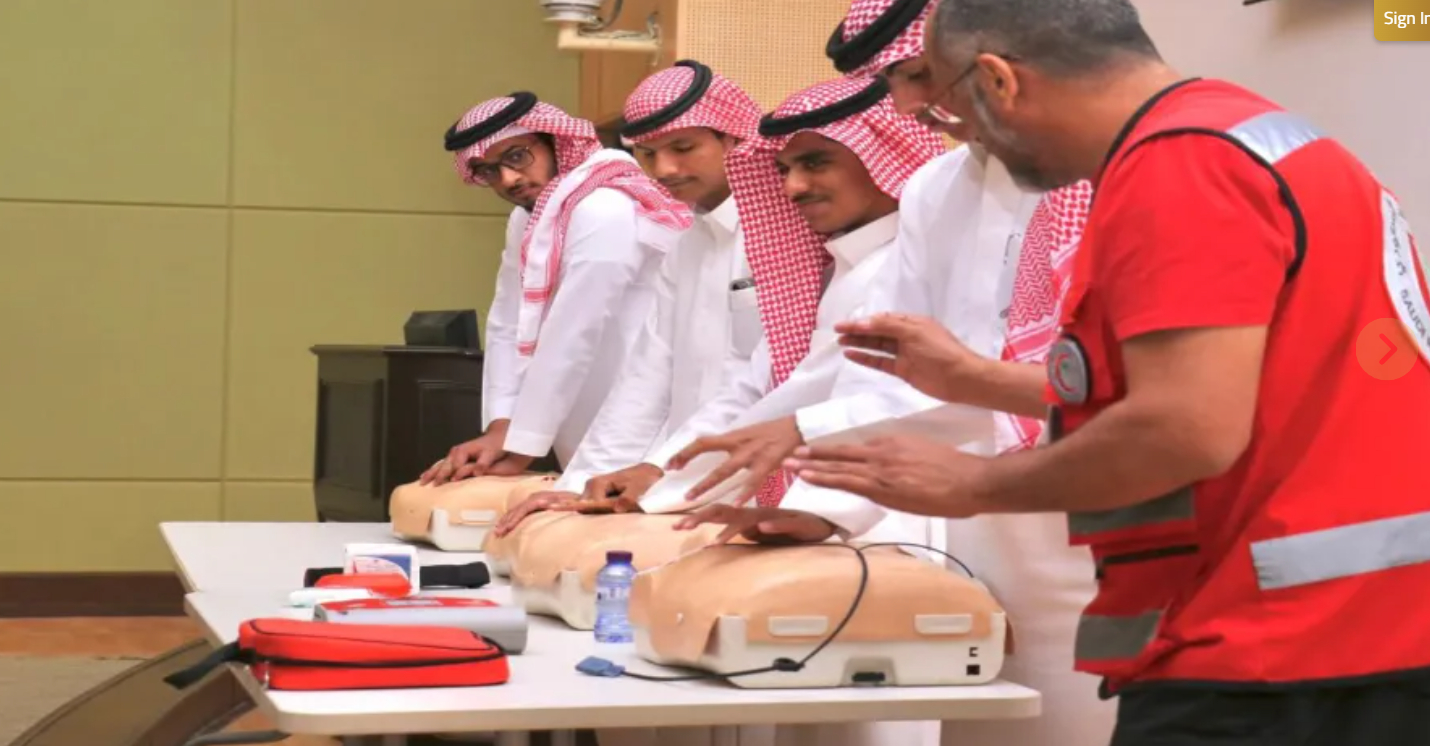
As part of its commitment to promoting health awareness among its students and staff, and strengthening partnerships with relevant organizations, the Applied College’s Student Affairs Unit organized a training workshop titled “Basic First Aid Skills” in collaboration with the Saudi Red Crescent Authority in Zulfi. The workshop aimed to equip students with essential knowledge and practical skills for handling emergency situations.
The program featured both theoretical and hands-on sessions, covering topics such as the concept and importance of first aid, methods of managing wounds, bleeding, and burns, as well as cardiopulmonary resuscitation (CPR) and the proper response to choking and fainting cases—all while emphasizing safety measures for both the rescuer and the injured.
Trainers from the Saudi Red Crescent Authority provided practical demonstrations and field exercises that enhanced students’ confidence in dealing with emergencies.
-
Non-Governmental and Charitable Organizations:
Majmaah University actively partners with NGOs to extend its community health impact. The Ibrahim Al-Sultan Charitable Foundation, for example, funds medical rehabilitation programs at MU’s Rehabilitation & Prosthetics Center to serve children and the elderlymu.edu.samu.edu.sa. The university’s Social Responsibility Observatory and this foundation jointly support prosthetic manufacturing initiatives and community rehabilitation packages, demonstrating a model of charity-academic cooperation. Another key collaboration is with King Salman Humanitarian Aid and Relief Center (KSrelief) – while a government entity, KSrelief functions globally akin to an NGO. The 2024 MoU with KSrelief focuses on humanitarian health research, knowledge exchange, and volunteering, allowing MU faculty and students to contribute to international relief projectsmu.edu.samu.edu.sa. MU’s partnership with the Saudi Professional Nursing Association (an NGO/professional body) similarly aims to uplift healthcare by improving nursing education and encouraging volunteerism in the communitymu.edu.sa. Furthermore, MU has cooperated with specialized centers like the Abdul Latif Cancer Screening Center and local health charities during campaignsmu.edu.sa. These NGO partnerships enable the university to tap into additional expertise, funding, and volunteer networks for health initiatives.
MU VICE-RECTOR ON A VISIT TO IBRAHIM AL-SULTAN CHARITABLE FOUNDATION
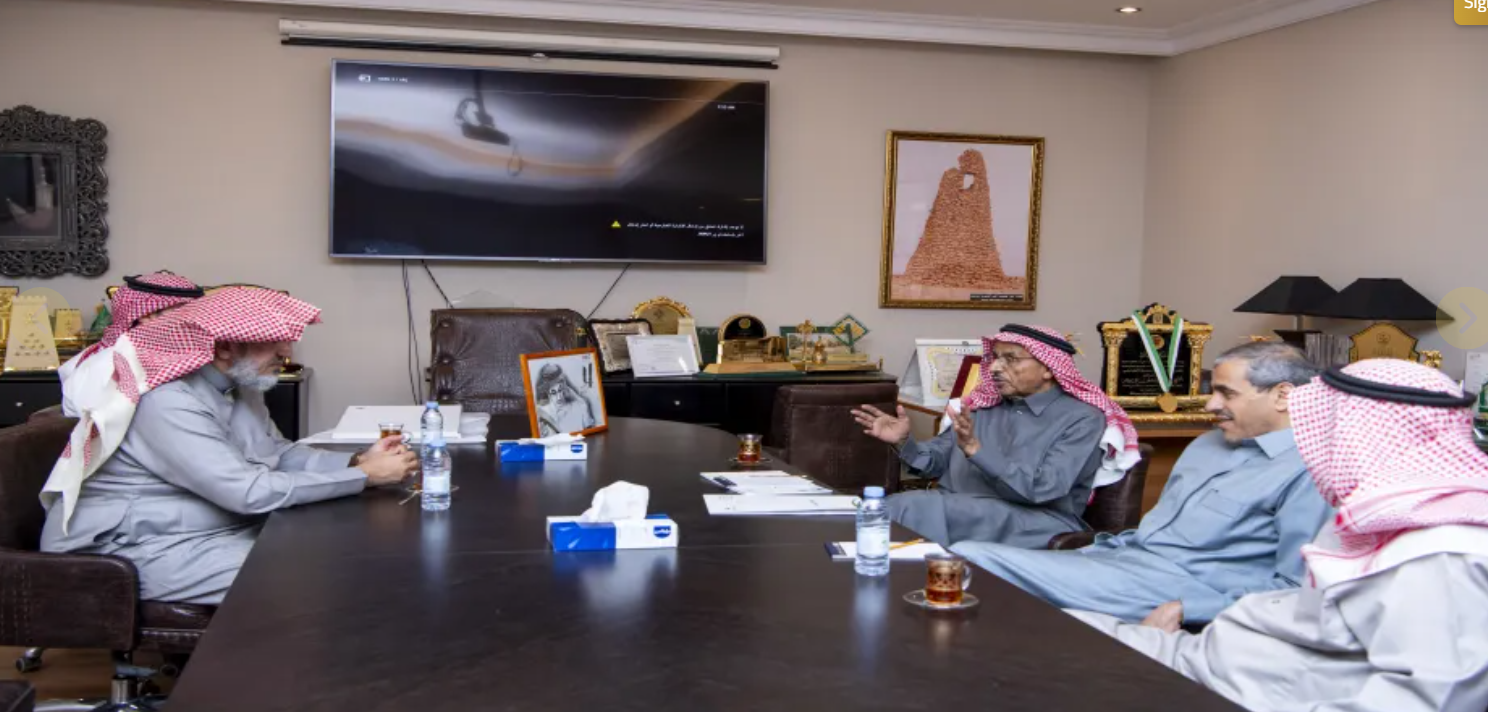
Prof. Musallam Al-Dosari, MU's vice-rector for development and investment and chairman of the Board of Directors of Rehabilitation and Prosthetics Center, paid a visit to Shaikh Ibrahim Al-Sultan Charitable Foundation along with the CEO of the Center, Mr. Turki Al-Humaidani.
MU's delegation met the chairman of the Board of Trustees of the foundation, Sheikh Ibrahim Al-Sultan in the presence of Mr. Abdelmajeed Al-Sultan and Mr. Sultan Al-Sultan.
During the visit, the annual report of the community programs funded by the Foundation in the field of medical rehabilitation for children and the elderly was reviewed. The Center’s facilities in the field of manufacturing prosthetic limbs was highlighted along with multiple initiatives that address the needs of society.
MU SIGNS MOU WITH KING SALMAN HUMANITARIAN AID AND RELIEF CENTER
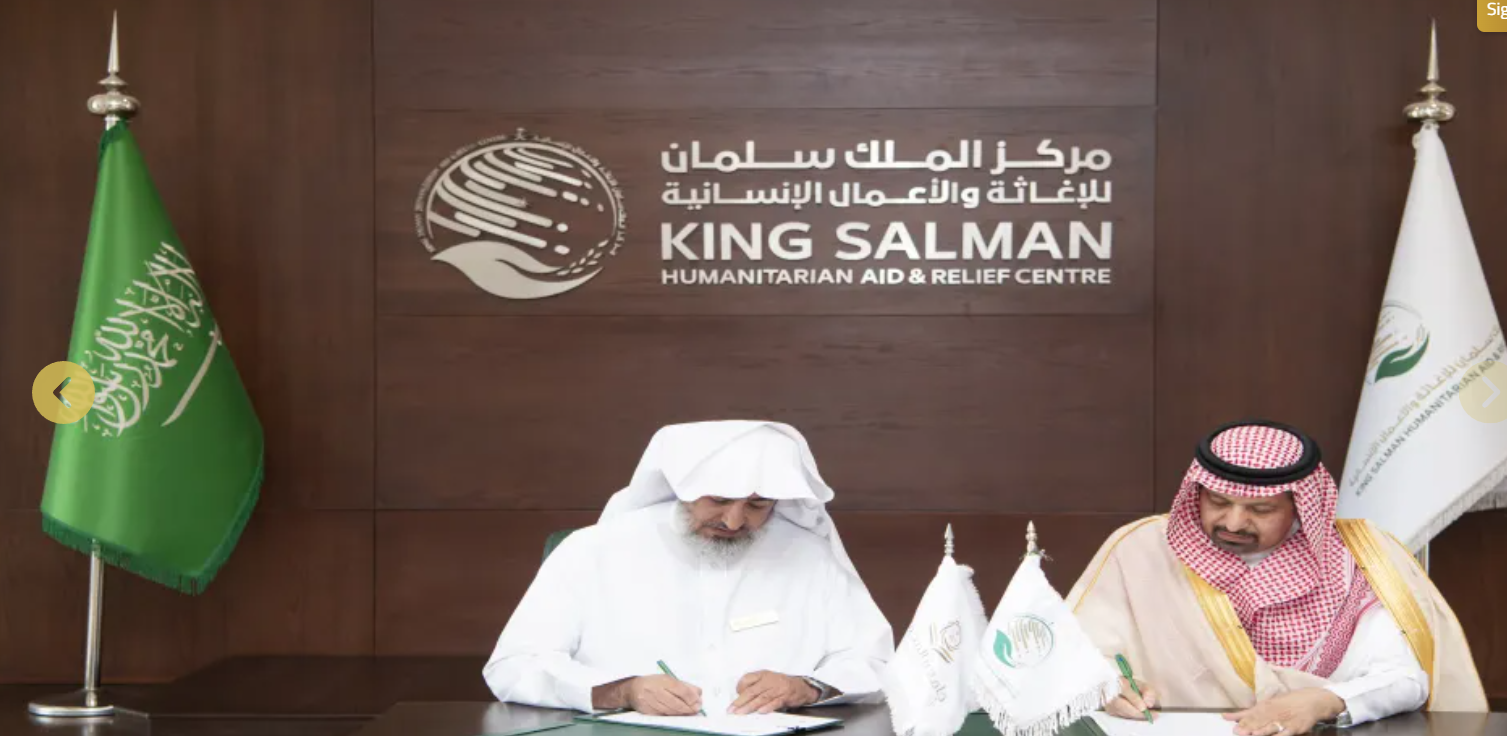
MU signed a memorandum of understanding (MoU) with King Salman Humanitarian Aid and Relief Center on Thursday, April 25, 2024. The MoU, which was signed by Prof. Musallam Al-Dosari, the vice-rector for development and investment, and Dr. Aqeel Al-Ghamdi, the Assistant General Supervisor for Planning and Development Affairs, aims to strengthen the role of the Kingdom of Saudi Arabia in the relief and humanitarian field at the international level through developing relief, humanitarian, and charitable work, activating the role of the King Salman Center for Relief and Humanitarian Aid, and achieving the university’s goals in development support.
MU seeks to expand its cooperation with relevant authorities, and to enhance its role in the humanitarian and development aspects, encouraging academics and researchers to contribute to achieving this vision.
The signed MoU include cooperation in the fields of research and studies, and the exchange of reports and statistics between the two sides along with the participation in all activities organized by both sides such as conferences, workshops, and meetings.
The MoU also features the support of volunteer field, allowing King Salman Center to benefit from the competencies of MU and Cifal Center in activating its volunteer programs.
The director of Cifal Center, Dr. Ayman Al-Barakati, and the director of the Center’s Educational Programs Department, Mr. Suleiman Al-Samhan, also participated in the event of signing the MoU.
-
Global and Regional Organizations:
While no direct collaboration with the World Health Organization (WHO) was identified in the sources, Majmaah University engages with global networks through other means. Its membership in UNITAR’s CIFAL Network (hosting CIFAL Saudi at MU) provides international connections in areas including health training. The university’s MoUs with foreign universities (e.g. UC San Diegomu.edu.sa) and research ties to institutions like the University of Florida and University of Liverpoolmu.edu.sa bring global best practices to Majmaah. Through KSrelief, MU indirectly contributes to regional and international health missions (since KSrelief works with UN agencies and NGOs worldwide). In summary, MU’s global collaborations – whether via academic exchange, research partnerships, or humanitarian projects – broaden its reach and ensure that its health and well-being efforts are informed by international experience.

Thematic Focus Areas in Health Collaboration
Majmaah University’s health partnerships cover diverse thematic areas crucial to community well-being, including:
-
Mental Health:
Promoting mental health is a priority in MU’s campus and community programs. The university provides free counseling services and has established mental health support programs for students and staffmu.edu.sa. Through its Mental Health Promotion Group (led by faculty experts), MU organizes seminars on topics like stress, anxiety, and social issues. For example, the College of Medicine hosted a symposium on “Psychological and Social Dimensions of Violence Against Women,” featuring psychiatry professors who discussed mental trauma and resources for helpmu.edu.samu.edu.sa. The university also marks World Mental Health Day with campus-wide activities – educational booths on common psychological disorders, relaxation corners, and information on accessing care – to reduce stigma and encourage well-being practicesmu.edu.samu.edu.sa. These efforts, often in collaboration with campus counseling units and local mental health professionals, ensure that mental well-being is integrated into MU’s health outreach.
-
Disease Prevention and Screening:
Many MU collaborations aim at preventing diseases through early detection and immunization. Joint campaigns with health authorities have addressed prevalent health concerns in the region. The breast cancer awareness initiative in Majmaah (with King Khalid Hospital) offered on-site screenings and education to women in the communitymu.edu.sa. In campus settings, MU regularly holds vaccination drives and health check-ups; a recent example is the influenza vaccine awareness program run by the Volunteer Center in coordination with MU’s Medical Centermu.edu.sa. The University Medical Center itself runs clinics for chronic conditions (diabetes, hypertension, asthma, etc.) and vaccination programs to curb infectious diseasesmu.edu.samu.edu.sa. By teaming up with the Ministry of Health, Red Crescent, and specialized centers, MU’s prevention initiatives have brought services like cancer screening vans and seasonal flu shots directly to campus and public venues, improving uptake of preventive measures.
VOLUNTEER WORK CENTER AT SRO EDUCATES UNIVERSITY STAFF ABOUT INFLUENZA VACCINE
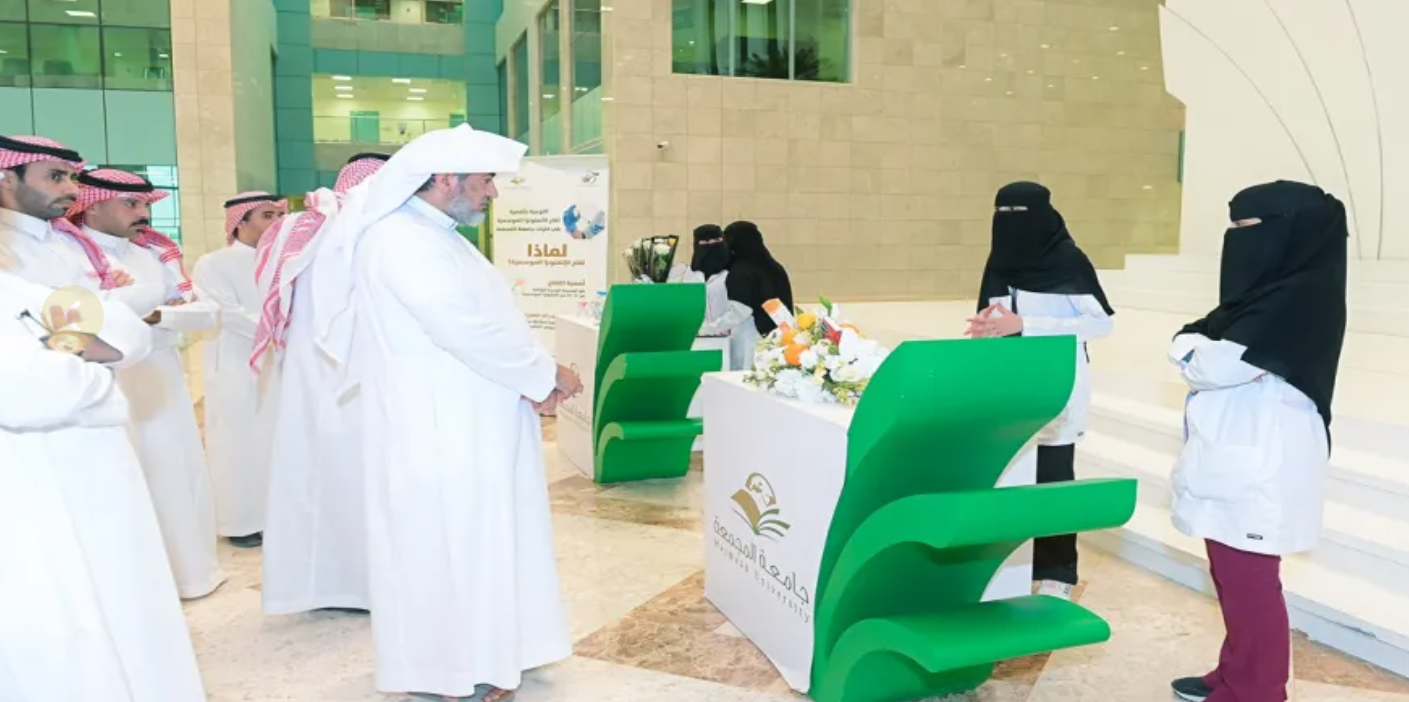
An event was organized by the Volunteer Work Center at the Social Responsibility Observatory to educate the university staff about the importance of seasonal Influenza vaccine. The event - launched by Prof. Al-Dosari, the advisor and supervisor of administrative, financial and technical affairs, was held in cooperation with the Medical Center and health colleges.
Dr. Faisal Al-Mutairi, the supervisor of Social Responsibility Observatory, pointed out that such events are conducted at the request of MU rector to open up to the community and to achieve the goals set for the health field.
-
Health Education and Health Promotion:
Health education is woven into all collaboration activities, ensuring that knowledge spreads beyond the classroom. Majmaah University conducts numerous workshops, lectures, and community fairs on healthy lifestyles. These cover topics such as nutrition, exercise, and stress management – empowering individuals to make informed decisions about their healthmu.edu.samu.edu.sa. The Deanship of Library Affairs even launched an initiative on International Stuttering Awareness Day (“I Can” initiative) in partnership with the Speech-Language department, educating students and the public on speech disorders and therapy stepsmu.edu.samu.edu.sa. Through partnerships, MU also extends health education to rural areas via mobile medical services and multi-agency outreach caravansmu.edu.samu.edu.sa. In collaboration with government bodies like the MOH and Saudi Red Crescent, the university has organized blood donation and general health check campaigns for all segments of the community – including children, the elderly, and laborers – often bringing mobile clinics and health educators to underserved populationsmu.edu.samu.edu.sa. These educational collaborations help raise health literacy and encourage preventive healthcare across the region.
-
Pandemic Response and Emergency Preparedness:
Majmaah University’s partnerships were especially vital during the COVID-19 pandemic. The university quickly aligned with national efforts (under MOH guidance) to implement safety protocols and promote vaccination. On the research front, an MU-led team – in collaboration with hospitals and universities in Saudi Arabia and abroad – published a significant COVID-19 immunology study that identified biomarkers predicting ICU admission in COVID patientsmu.edu.samu.edu.sa. This study, done jointly with Riyadh Health Cluster II, King Saud University, Prince Sattam University, and experts at University of Florida and University of Liverpool, was published in a prestigious Cell Press journal and even won awards at national medical research forumsmu.edu.samu.edu.sa. On the community side, MU leveraged its Social Responsibility Observatory and partners to support the pandemic response. The previously mentioned “Donate with No Gathering” blood drive ensured blood supply to local hospitals when donation centers faced restrictionsmu.edu.samu.edu.sa. MU also launched campus initiatives like “Together We Are Cautious” to spread awareness of COVID-19 precautionsm.mu.edu.sa. Furthermore, the university’s Medical Services Department coordinated with Civil Defense and hospital authorities in emergency drills (for instance, a mass casualty evacuation exercise at King Khalid Hospital) to test readiness for crisesresearchgate.net. These collaborative efforts during COVID-19 and other emergencies underline MU’s role as a proactive community health partner in times of crisis.
Outcomes and Impact of Collaborations
Through these extensive collaborations, Majmaah University has achieved measurable outcomes and notable impacts on health and well-being:
-
Improved Health Services:
By partnering with the Ministry of Health, the university expanded its on-campus healthcare capabilities. The University Medical Center acquired new diagnostic equipment with MOH support, enhancing service quality for students, staff, and the surrounding communitymu.edu.samu.edu.sa. The Center also opened specialized clinics (e.g. neurology, pediatrics, ENT, family medicine) to provide primary care access – appointments can be booked via a dedicated hotline or WhatsApp, reflecting improved accessibilitymu.edu.samu.edu.sa. These upgrades, enabled by inter-sector collaboration, directly benefit thousands of patients annually.
-
Community Reach and Participation:
The joint outreach programs have reached wide segments of the population. The multi-town blood donation campaign in 2020 collected 612 units of blood from donors in four communities, potentially saving hundreds of livesmu.edu.sa. Each stage of that campaign mobilized ~37 volunteers, exemplifying strong civic engagement fostered by MU’s partnershipsmu.edu.sa. Similarly, hundreds of women benefited from the breast cancer screening drive at Majmaah Mall, and numerous students and staff gained knowledge (and even vaccinations) at campus health fairs (e.g. flu shot awareness events). The university’s collaborations with local hospitals on World Civil Defense Day and National Day also saw blood drives and health checks in public venues, further extending its health impactmu.edu.samu.edu.sa.
-
Human Resource Development:
Collaborative training initiatives have equipped MU students and staff with valuable skills. Dozens of students have been certified in basic life support and first aid through Red Crescent-led workshopsmu.edu.samu.edu.sa. Participation in national hackathons and conferences has honed students’ innovation skills in health technologymu.edu.samu.edu.sa. The Hajj volunteer program has, over years, given scores of MU students real-world emergency medical experience alongside Red Crescent professionalsmu.edu.sa. These experiences not only enhance student learning outcomes but also contribute trained volunteers to national programs.
-
Research and Publications:
Majmaah University’s health collaborations have boosted research output in key areas. The COVID-19 research mentioned earlier is one high-profile example, earning recognition and adding to global scientific knowledgemu.edu.samu.edu.sa. Additionally, faculty and students have co-authored research on public health awareness (e.g. studies on community compliance with COVID precautionsjournals.lww.com and on booster vaccine acceptance). The Health and Basic Sciences Research Center’s data-sharing agreement with Sharek Association is expected to yield further studies on Saudi community health indicatorsmu.edu.samu.edu.sa. This growing body of research, often done in partnership with other universities and health clusters, informs evidence-based practice and policy for improving health outcomes locally and nationally.
-
Recognition in Impact Rankings:
These concerted efforts have been reflected in Majmaah University’s performance in the Times Higher Education (THE) Impact Rankings, especially for SDG 3 (Good Health & Well-Being). Majmaah University’s collaborations with health institutions – from hosting community clinics to engaging in global health research – demonstrate a clear institutional commitment to health for allmu.edu.samu.edu.sa. The university’s initiatives in mental health support, preventive education, and healthcare partnerships have contributed to its standing among the ranked universities. By documenting programs delivered, populations reached, and research published, Majmaah University provides transparent evidence of impact. This includes quantitative metrics (like number of health outreach events, volunteers, or beneficiaries) and qualitative successes (such as new services introduced or policies influenced). Collectively, the outcomes from these collaborations underscore Majmaah University’s role as an emerging leader in community health improvement and its alignment with national Vision 2030 goals and global sustainable development targets.

شارك برأيك وساهم في تحسين خدماتنا.
أعجب 1 من 223 زائر بمحتوى الصفحة. (100% مؤشر رضا الزوار)