
Official government website affiliated with the government of the Kingdom of Saudi Arabia


Official Saudi government website links end with gov.sa
All official educational website links in the Kingdom of Saudi Arabia end with sch.sa or edu.sa

Government websites use HTTPS protocol for encryption and security.
Secure websites in the Kingdom of Saudi Arabia use HTTPS protocol for encryption.



SDG 17.2.3Participating in international collaboration on gathering or measuring data for the SDGs
 Posted in 2024-10-28
Updated 30/10/2025
17.2.3Majmaah University’s International SDG Collaborations (2020–2025)
Majmaah University (MU) in Saudi Arabia has actively forged international partnerships and joined global networks to advance the UN Sustainable Development Goals (SDGs). Since 2020, MU has collaborated with universities and organizations worldwide on data sharing, measurement initiatives, and research projects aligned with the SDGs. Below is an overview of MU’s key international collaborations – with cited evidence – structured in a format suitable for a Times Higher Education (THE) Impact Rankings submission.
Partnerships with International Universities for SDG Initiatives
Joint Academic Programs and Exchanges:
In 2024–2025, MU established strategic partnerships with foreign universities to enhance education quality, research, and cultural exchange in SDG-related fields. Notably, MU signed a Memorandum of Understanding (MoU) with the University of East Anglia (UEA) (UK) to launch joint degree programs and student exchanges news.europawire.eu news.europawire.eu. This alliance kicked off with a two-week summer program at UEA for MU students, blending academic seminars on innovation with cross-cultural experiences news.europawire.eu. The partnership includes an upcoming MSc in Supply Chain Operations & Logistics Management (delivered at MU by UEA’s faculty) and a 2+2 dual-degree BSc program in Digital Media, Computing and Creative Technologies. These programs – open to both male and female students – foster skills in technology and innovation, contributing to SDG4 (Quality Education) and SDG9 (Industry & Innovation) news.europawire.eu news.europawire.eu. MU’s Vice-Rector, Prof. Mohammed Alshehri, lauded this international collaboration as an “investment in students’ leadership potential” through global academic exposure news.europawire.eu. Such joint programs, including student mobility and faculty cooperation, help build local capacity in underrepresented fields (e.g. women in computing and engineering) by providing international learning opportunities.
UEA and Majmaah University Launch Strategic Academic and Cultural Exchange
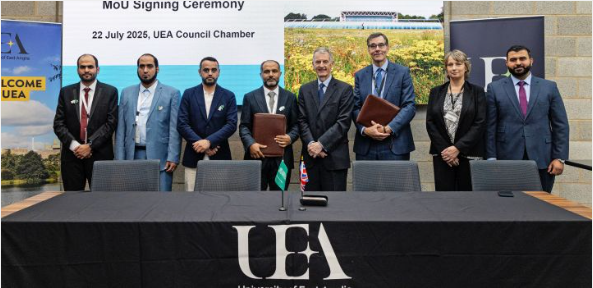
UEA and Majmaah University have launched a formal collaboration to strengthen academic cooperation, student mobility, and research partnerships. The alliance began with a two‑week summer programme at UEA for Majmaah students and was solidified by a Memorandum of Understanding signed during a reciprocal visit. UEA’s Prof. Steven McGuire and Majmaah’s Prof. Mohammed Alshehri emphasized the mutual benefits of the partnership amid Saudi Arabia’s educational transformation. Upcoming initiatives include an MSc in Supply Chain Operations and Logistics Management delivered at Majmaah by UEA’s Norwich Business School, and a 2+2 BSc in Digital Media, Computing, and Creative Technologies. Majmaah University, a public institution founded in 2009 with over 19,000 students, and UEA aim to foster leadership through cross‑cultural academic experiences. Students considering enrollment for September 2025 can apply via Clearing to join UEA.
The University of East Anglia (UEA) and Saudi Arabia’s Majmaah University have inaugurated a strategic international alliance designed to deepen academic links, enhance student exchanges, and spur joint research endeavors. This collaboration kicked off earlier this month when UEA welcomed a group of Majmaah students for a bespoke two‑week summer course blending academic seminars with cultural immersion.
Last week, a Majmaah University delegation visited UEA’s Norwich campus to formalize the partnership by signing a Memorandum of Understanding. The visit follows UEA’s own trip to Majmaah University in November 2024, led by Prof. Steven McGuire, Pro‑Vice‑Chancellor International, where UEA was met with warm hospitality.
Prof. McGuire expressed his enthusiasm for the burgeoning collaboration: Saudi Arabia is experiencing profound cultural, social, and educational transformation, and its higher‑education landscape offers rich prospects for joint initiatives. He underscored UEA’s commitment to fostering student and staff mobility, launching collaborative research projects, and cementing enduring academic relationships.
Plans are already advancing to deliver an MSc in Supply Chain Operations and Logistics Management at Majmaah University, awarded by UEA’s Norwich Business School. Additionally, a 2+2 BSc programme in Digital Media, Computing, and Creative Technologies is being developed, enabling students to spend two years at Majmaah before completing their degree at UEA.
Prof. Mohammed Alshehri, Vice‑Rector for Graduate Studies and Scientific Research at Majmaah University, highlighted the inspiration drawn from UEA’s dynamic scholarly environment. He noted that this partnership is an investment in students’ leadership potential, offering invaluable academic and cultural exposure. Together, both institutions are building bridges of knowledge to empower future generations through education.
Majmaah University—founded in 2009 in Al Majma’ah, Riyadh Province—serves over 19,000 students across 13 colleges in fields such as Medicine, Engineering, Business, and Computer Science. Prospective students aiming to begin university in September 2025 are invited to explore Clearing opportunities at a UK Top 25 institution like UEA.
Global Research Collaborations:
MU has also formalized partnerships aimed at scientific and cultural projects supporting the SDGs. In 2023, MU welcomed a delegation from Brawijaya University (Indonesia) – one of Indonesia’s leading health and medical universities – to explore joint initiatives in health sciences mu.edu.sa. The visit included tours of MU’s medical research centers (e.g. Prosthetics Technologies, Health Research labs) and culminated in a cooperation agreement between MU and Brawijaya University mu.edu.sa mu.edu.sa. This agreement facilitates academic exchange and collaborative research in health and medicine, directly advancing SDG3 (Good Health & Well-being) through knowledge sharing on public health, medical training, and biomedical innovation. Likewise, MU’s College of Applied Medical Sciences and Brawijaya’s experts discussed projects and data exchange that support health outcomes – an example of international cooperation to improve SDG indicators like community health and medical research capacity.
A visit by a delegation of academic leaders to Brawijaya University in Malang, one of the largest health universities in the Republic of Indonesia.
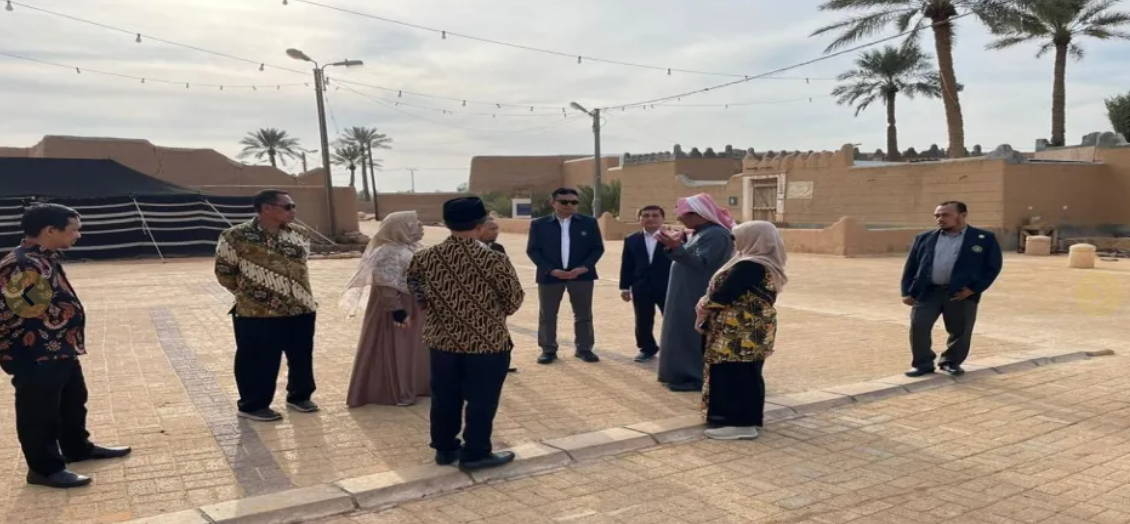
The General Administration of Relations and Conferences organized a visit program for a delegation of academic leaders from the University of Brawijaya in Malang, one of the largest health universities in the Republic of Indonesia, and the Cultural Attaché at the Indonesian Embassy. The program included a visit to a number of departments in the university and reviewing their achievements. The visit included the College of Applied Medical Sciences , the International Center for Prosthetics Technologies, a visit to the Center for Health Research and Basic Sciences, a visit to the Central Library, and a tour of the historical landmarks of Al Majmaah.
A cooperation agreement was signed between the University and the University of Brawijaya in Malang under the patronage of His Excellency the University President and in the presence of Their Excellencies the University Vice-Presidents. The program also included a visit to a number of heritage and archaeological sites in Majmaah, where they viewed some of the heritage landmarks such as the historic King Abdulaziz Endowment and its annexes, as well as the historic Ahmed Al-Sanea School, which was founded by Sheikh Ahmed bin Saleh Al-Sanea in the city of Majmaah in 1336 AH and made it a field for educating the people of Majmaah and the surrounding villages. They also viewed the Craftsmen’s Center and the various craft works being carried out, and viewed the heritage pieces, games, and popular foods and drinks it contained. They expressed their thanks for the welcome, hospitality, and generosity they received.
Cultural and Educational Exchanges:
MU’s global engagement extends to cultural and educational projects in line with SDG4 (Quality Education) and SDG17 (Partnerships). In June 2023, MU signed an MoU with the Embassy of the Republic of Indonesia to implement a training program for Indonesian language instruction mu.edu.sa mu.edu.sa. This unique cooperation (the first of its kind between the Indonesian embassy and a Saudi university) trains international Indonesian students at MU to become certified instructors of their language mu.edu.sa. The program was established under a broader Saudi–Indonesia educational agreement and involves certification through the SEAMEO Regional Language Centre mu.edu.sa. In addition to preserving linguistic heritage (related to SDG11 cultural targets), the partnership included discussions on joint research in astronomy during the ambassador’s visit mu.edu.sa. By hosting Indonesian scholars and engaging in cross-cultural teaching and research, MU supports SDG17.6 (international cooperation for knowledge exchange) and promotes cultural understanding as part of sustainable development.
MU SIGNS MOU WITH THE EMBASSAY OF THE REPUBLIC OF INDONESIA
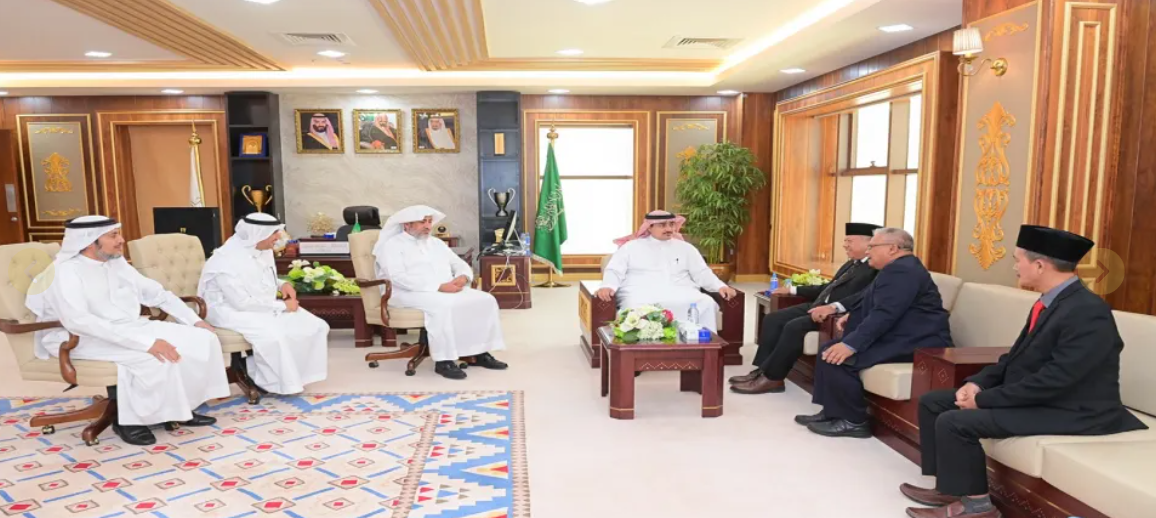
Majmaah University (MU) signed a memorandum of understanding (MoU) with the embassy of the Republic of Indonesia to offer trainings on how to teach the Indonesian language. The signing ceremony was attended by the Extraordinary and Plenipotentiary Ambassador of the Republic of Indonesia to the Kingdom of Saudi Arabia, Dr. Abdulaziz Ahmed, and the Educational and Cultural Attaché at the Embassy of the Republic of Indonesia in Riyadh, Dr. Badr Al-Saleh. The MoU was signed by MU rector, Prof. Saleh Al-Mizil, and the Ambassador Dr. Abdulaziz Ahmed.
The MoU signed with the embassy of the Republic of Indonesia comes in light of the agreement previously signed by the Minister of Education of the Kingdom of Saudi Arabia and the Minister of Education of Indonesia during the historic visit of the Custodian of the Two Holy Mosques, King Salman bin Abdulaziz Al Saud to the Republic of Indonesia. The MoU aims to train international Indonesian students at the university to be qualified in teaching the community the Indonesian language. The students will be internationally certified in training by the SEAMEO Regional Language Centre.
Prior the signing, the Ambassador also met with MU rector in his office to discuss several topics related to the MoU.
The Ambassador was escorted in a tour to the university's facilities including the Astronomical Observatory, where he was briefed about the equipment and achievements in moon sighting. The visit also included discussions on joint research projects on astronomy and related religious matters.
At the end of the visit, the Ambassador of the Republic of Indonesia attended the university's graduation ceremony for the 14th batch under the patronage of Riyadh Governor Prince Faisal bin Abdulaziz.
It is worth mentioning that this cooperation is the first of its kind between the Indonesian embassy and Saudi universities.
Additional partnerships:
Beyond these recent examples, MU has a history of international agreements that bolster academic quality and SDG progress. For instance, MU has previously signed scientific MoUs with institutions in Australia, Canada, Japan, and the Netherlands to exchange knowledge and improve programs in medicine, quality assurance, and research mu.edu.sa mu.edu.sa. Such agreements (e.g. with Monash University and Dalhousie University) have facilitated joint publications, workshops, student exchanges, and capacity building in fields like medical education and accreditation mu.edu.sa mu.edu.sa. These long-term collaborations underscore MU’s commitment to global engagement and continuous improvement in support of the SDGs.
Signing 5 scientific Memos with International Universities
The University of Majmaah, based on the directions of His Highness the Rector Dr. Khalid Al-Mogren, and represented by the international cooperation department for the academic year 1432 H, signed five scientific memos with several international universities as following:
- One year memo was signed with a university in Japan to exchange in the field academia and knowledge.
- Three years was signed with Monash University to cooperate academically in publishing journals in the mutual fields as well as exchanging academic outcomes for the two universities. Conducting workshops and exchanging visits.
- Five years memo was signed with Maastricht University included: cooperation in academic fields like quality and development regarding medical college in majmaa as well as exchanging academic experience from both universities.
- A one year memo was signed with The University of Melbourne included cooperation in future academic field to enrich the two universities beside encouraging mutual publishing as well as exchanging students.
- Five years memo was signed with Dalhousie University in Canada to cooperate academically in the field of quality and academic accreditation regarding college of medicine in Majmaah as well as exchanging academic outcomes from both universities.
Collaboration with UN Agencies and Global SDG Networks
UNITAR and CIFAL Global Network:
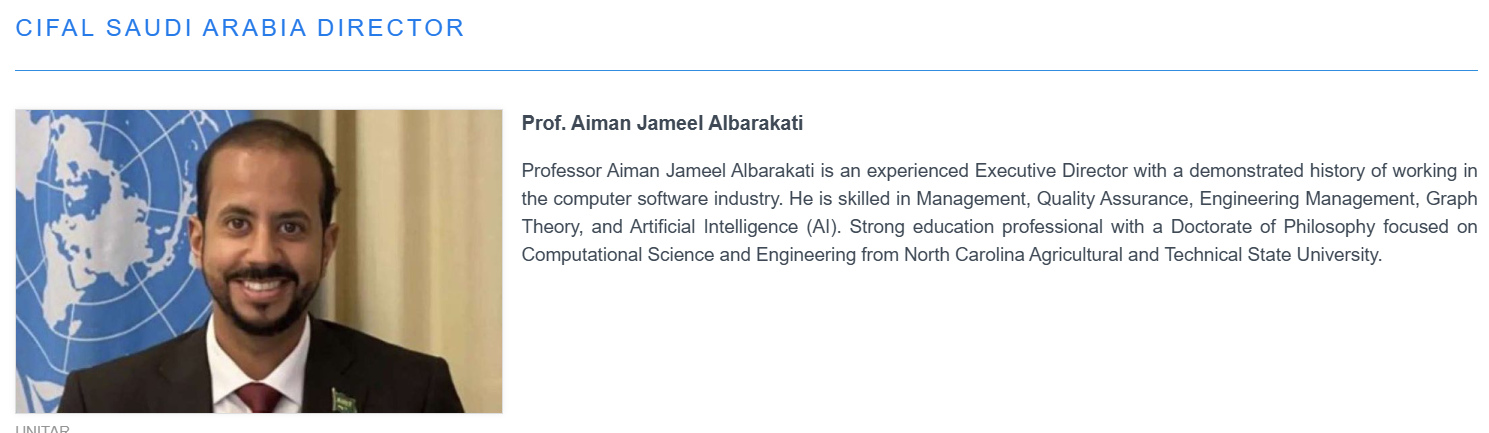
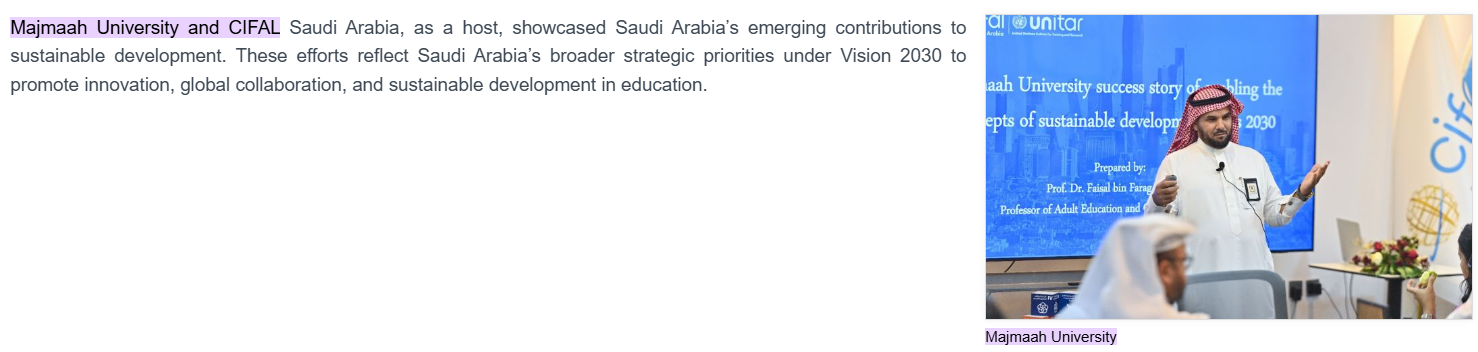
A centerpiece of MU’s international SDG collaboration is its role as host of CIFAL Saudi Arabia, a United Nations Institute for Training and Research (UNITAR) affiliated center. Established in 2022 in collaboration with MU, CIFAL Saudi Arabia is part of UNITAR’s global CIFAL network of training centers unitar.org. The center focuses on capacity-building in economic development, social inclusion, and environmental sustainability, encouraging academics and leaders to contribute solutions towards the Saudi Vision 2030 and UN SDGs unitar.org unitar.org. Through CIFAL, MU gains unique access to global UN resources and expertise, and serves as a hub for knowledge exchange between Saudi public servants, academics, and international experts unitar.org. The objective is to strengthen decision-making and sustainable development efforts in the region unitar.org. In practice, CIFAL Saudi (at MU) conducts training programs and workshops aligned with SDGs, leveraging UNITAR’s curricula and the CIFAL network’s best practices. This affiliation directly ties MU to an international network dedicated to SDG capacity-building and demonstrates MU’s leadership in convening global knowledge for local SDG impact.
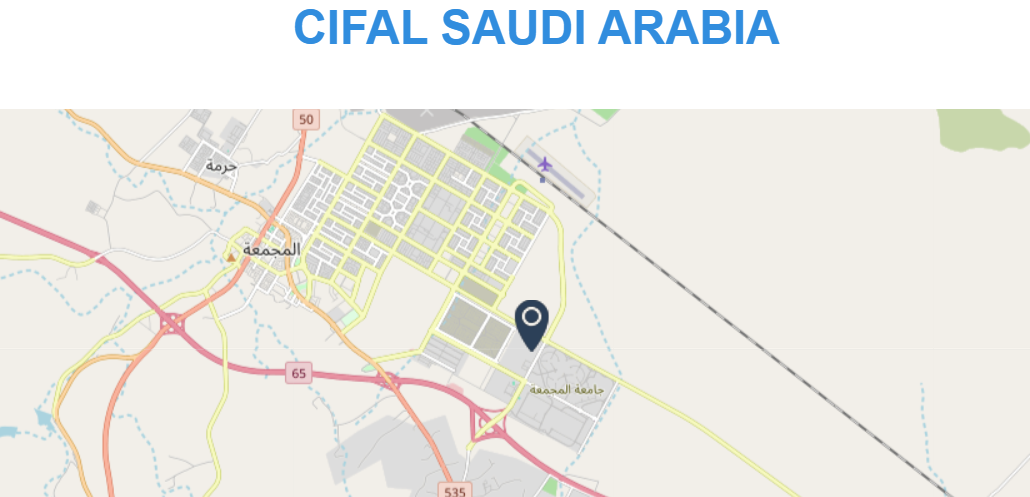
Established in 2022, the International Training Centre for Authorities and Leaders in Saudi Arabia (CIFAL Saudi Arabia) was established in collaboration with Majmaah University which has a particular interest in promoting training activities related to economic development, social inclusion, and environmental sustainability and encouraging academics, researchers, and specialists to play a greater role that contributes to achieving this vision.
CIFAL Saudi Arabia's objective is to provide a range of learning opportunities and facilitate knowledge sharing between public servants and leaders of the Kingdom of Saudi Arabia, to strengthen capacities, improve the decision-making process and encourage sustainable development.
Thematic Areas:
· Economic Development
· Social inclusion Human rights in accordance with the conventions ratified by the Kingdom of Saudi Arabia
· Environmental Sustainability
United Nations Academic Impact (UNAI):
Majmaah University achieved membership in the UN Academic Impact (UNAI) initiative in late 2020 mu.edu.sa. This was an unprecedented milestone locally, as MU joined over 1,500 institutions worldwide in aligning with the UN’s ten foundational principles, including commitments to human rights, educational opportunity for all, and promoting sustainability through education mu.edu.sa mu.edu.sa. MU earned UNAI membership on the strength of its efforts to instill UN values among students and staff – an effort recognized by Gulf education authorities mu.edu.sa. As a UNAI member, MU collaborates within a global network focused on supporting UN goals (like poverty alleviation, gender equality, and sustainability) via research and outreach. This membership amplifies MU’s engagement in global dialogues on sustainability. For example, MU students have taken part in UNAI-related initiatives such as campaigns to counter hate speech and promote tolerance un.org, reflecting principle #10 on inter-cultural dialogue. By integrating UNAI principles on campus and sharing progress internationally, MU contributes to tracking and accelerating SDG achievements, particularly in education quality (SDG4) and reduced inequalities (SDG10).
MU GAINS UNITED NATIONS ACADEMIC IMPACT MEMBERSHIP
Unprecedented local and regional achievement accomplished by MU by gaining the United Nations Academic Membership (UNAI). With this membership, MU becomes one of 1500 academic and research institutions in over 145 state members to join this program.
The United Nations Academic Impact (UNAI) is an initiative that aligns institutions of higher education with the United Nations in supporting and contributing to the realization of United Nations goals and mandates via implementing the ten UNAI principles:
· A commitment to the principles inherent in the United Nations Charter as values that education seeks to promote and help fulfill;
· A commitment to human rights, among them freedom of inquiry, opinion, and speech;
· A commitment to educational opportunity for all people regardless of gender, race, religion or ethnicity;
· A commitment to the opportunity for every interested individual to acquire the skills and knowledge necessary for the pursuit of higher education;
· A commitment to building capacity in higher education systems across the world;
· A commitment to encouraging global citizenship through education;
· A commitment to advancing peace and conflict resolution through education;
· A commitment to addressing issues of poverty through education;
· A commitment to promoting sustainability through education;
· A commitment to promoting inter-cultural dialogue and understanding, and the "unlearning" of intolerance, through education.
The membership was gained based on MU’s efforts in promoting the positive concepts of UN’s goals among the university staff and community members – an act that was recommended by the Committee of Rectors and Directors of Universities & Higher Education at GCC Countries.
MU rector, Dr. Khalid al-Muqren commended this accomplishment and attributed it to the cooperation of the university’s different sectors.
Saudi Students Lead Initiative to Counter Hate Speech
When launching the United Nations Strategy and Plan of Action on Hate Speech in June 2019, Secretary-General António Guterres said that hate speech “is in itself an attack on tolerance, inclusion, diversity, and the very essence of our human rights norms and principles. More broadly, it undermines social cohesion, erodes shared values, and can lay the foundation for violence, setting back the cause of peace, stability, sustainable development, and the fulfillment of human rights for all.”
As the Internet develops, hate speech becomes a matter of increased concern. As a result, online hate speech is becoming a bigger issue in Saudi Arabia. Its spread is explained due to the reach of social media and how easily harmful messages are disseminated. In response to this phenomenon that has grown in recent years, Majmaah University, a member institution of the United Nations Academic Impact (UNAI) in Saudi Arabia, developed a project that aimed to inculcate a culture of countering hate speech.
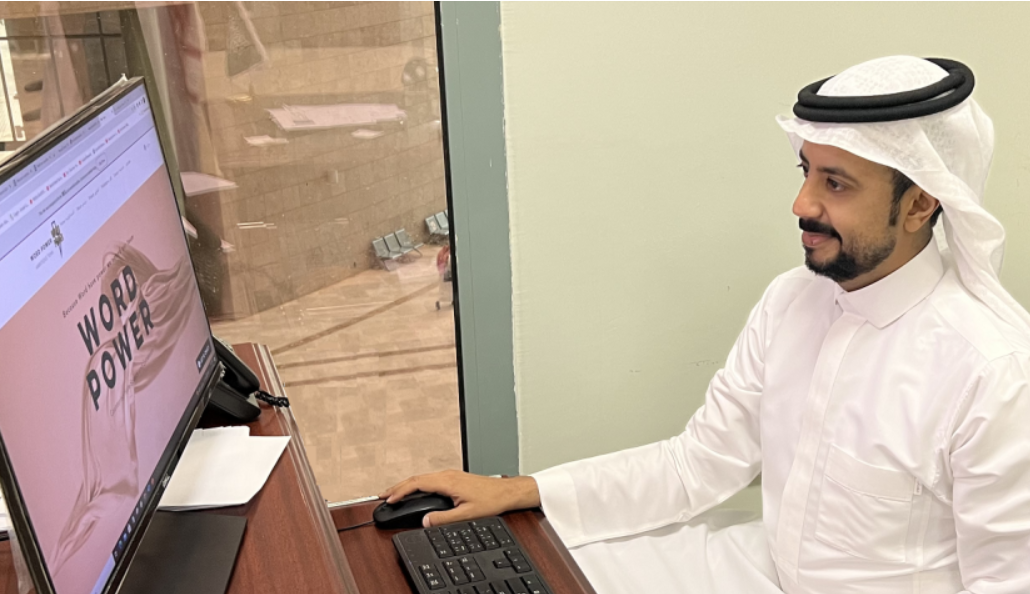
As part of this, the Word Power Initiative was a student social initiative to combat not only hate speech but also bullying and racism within society, considering its different forms, in addition to violent extremism. This was done by supporting positive social change and promoting coherent, inclusive, and tolerant messages. Through their own means, the students behind this initiative worked tirelessly to contribute to creating a global network that paves the way for a more cohesive society.
The primary target audience was the youth of all genders, as this group is considered the most vulnerable concerning hate speech. The strategy in itself relied extensively on the use of well-known social media platforms like Facebook, Instagram, and Twitter. Using such platforms enabled to engage the public and spread awareness about the different campaign activities and educational messages, the goals being of the overall strategy, awareness, participation, and influence.
“This initiative carried out by our own students has, without doubt, contributed to raising society's awareness of the phenomenon of hatred and fighting it in all its forms,” explained Dr. Aiman Albarakati, the team’s mentor. “It has created a lot of positive changes,” added Abdullah Al-Salem, one of the students at Majmaah University. “It was a pleasure to be one of the participants in this wonderful initiative that illustrates the phenomenon of hatred while helping us to fight extremism,” commented another student, Rahaf Al-Judaya.
Over a dozen virtual events like experts’ panels addressing hate speech in Saudi Arabia took place within the framework of this initiative, attracting more than 1,000 participants. Furthermore, a series of five dedicated podcasts had over 16,000 listeners, and around 3,000 people joined the initiative’s social media platforms. On Twitter alone, which is the most important social media platform in Saudi Arabia, the initiative had almost half a million impressions during the first half of 2021.
The campaign released several videos and flyers tailored to young students, not only from this institution of higher education but beyond campus, to deliver messages encouraging them to challenge harmful messages and instead advocate for inclusion and fact-checked information. Dr. Albarakati said the initiative also wanted to promote the 2030 Agenda for Sustainable Development. Goal 16, in particular, calls for promoting peaceful and inclusive societies.
To achieve the latter, countering hate speech should be a priority for the Member States and all stakeholders, including universities and colleges worldwide, given their significant impact and reach. “The consequences of ungoverned online hate can be tragic,” warned a report by the United Nations Special Rapporteur on the promotion and protection of the right to freedom of opinion and expression. Online hate speech, he said, “can result in deleterious outcomes.”
Participation in Global SDG Forums:
MU actively participates in high-level international forums to share data, report progress, and shape policies related to the SDGs. In 2024, under the auspices of its CIFAL Center, MU took part in the UN High-Level Political Forum (HLPF) side events focused on higher education and sustainability. MU representatives (including the Vice-Rector for Graduate Studies and the CIFAL Director) joined an official UN side event themed “Higher Education Institutions as Vital Partners in Designing and Delivering Sustainable Solutions”, organized by UNITAR and UNESCO mu.edu.sa mu.edu.sa. This event brought together education leaders from over 10 countries – including university presidents (e.g. from Victoria University and Newcastle University) and UN officials – to discuss how universities can contribute data-driven, community-oriented action on the SDGs mu.edu.sa. MU’s delegation emphasized the university’s commitment and the support of its leadership in engaging in such global discussions mu.edu.sa.
SAUDI CIFAL CENTER PARTICIPATES IN A UN SIDE EVENT
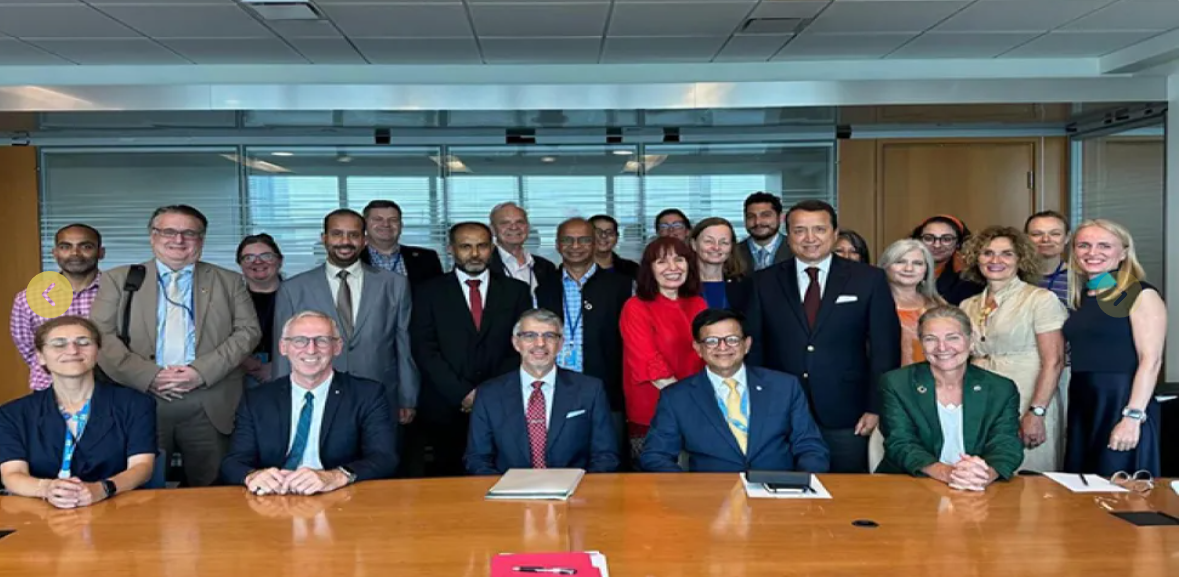
The Saudi Center CIFAL participated in the official side event organized by the United Nations Institute for Training and Research (UNITAR) and UNESCO, which was held at the High-Level Political Forum (HLPF) under the theme: Higher Education Institutions as Vital Partners in Designing and Delivering Sustainable, Resilient and Innovative Solutions".
The Permanent Representative of Saudi Arabia to the United Nations, Ambassador Dr. Abdulaziz Al-Wasil, attended the event which discussed how higher education institutions can play a pivotal role in achieving the Sustainable Development Goals (SDGs) through interdisciplinary learning, knowledge-based and community-oriented actions, and integrating sustainability as a core objective of education and research.
Education leaders from over 10 countries to discuss ways forward in making future policies for higher education institutions. Among the attendees were the Executive Director of the United Nations Institute for Training and Research - Assistant Secretary-General of the United Nations - Nikhil Seth, in addition to a group of presidents of international universities such as: Victoria University, Newcastle University, and high-level representatives from United Nations organizations and the governments of Ireland, Finland, and Croatia.
MU was represented in this event by the Vice-Rector for Graduate Studies and Scientific Research, Prof. Muhammad Al-Shehri, and the Director of the Saudi Cifal Center, Dr. Ayman Al-Barakati, who pointed out that the support of MU's rector and the Chairman of Cifal Council has played a role in allowing the center to participate in such events.
MU PARTICIPATES IN THE HIGHER EDUCATION FOR SUSTAINABILITY FORUM
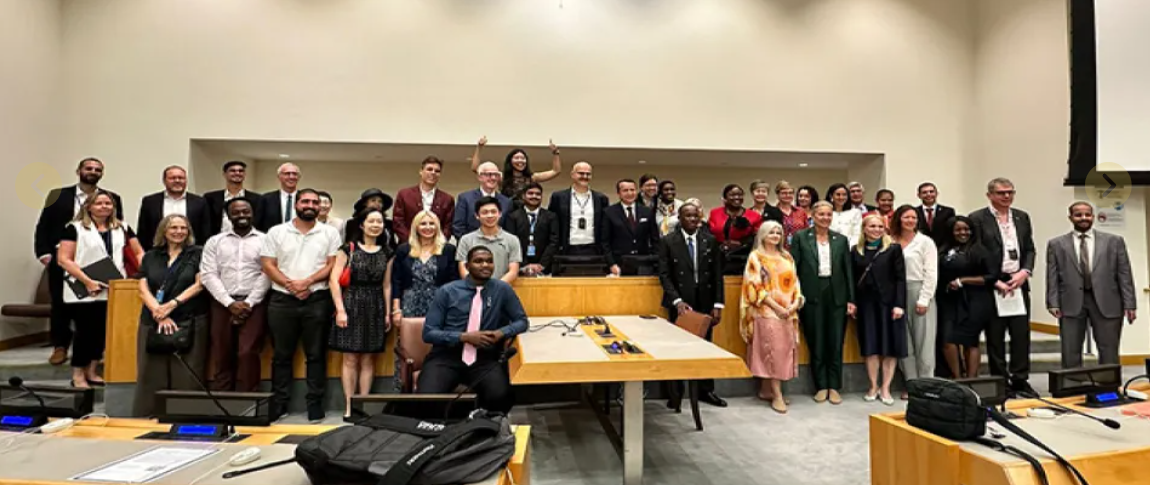
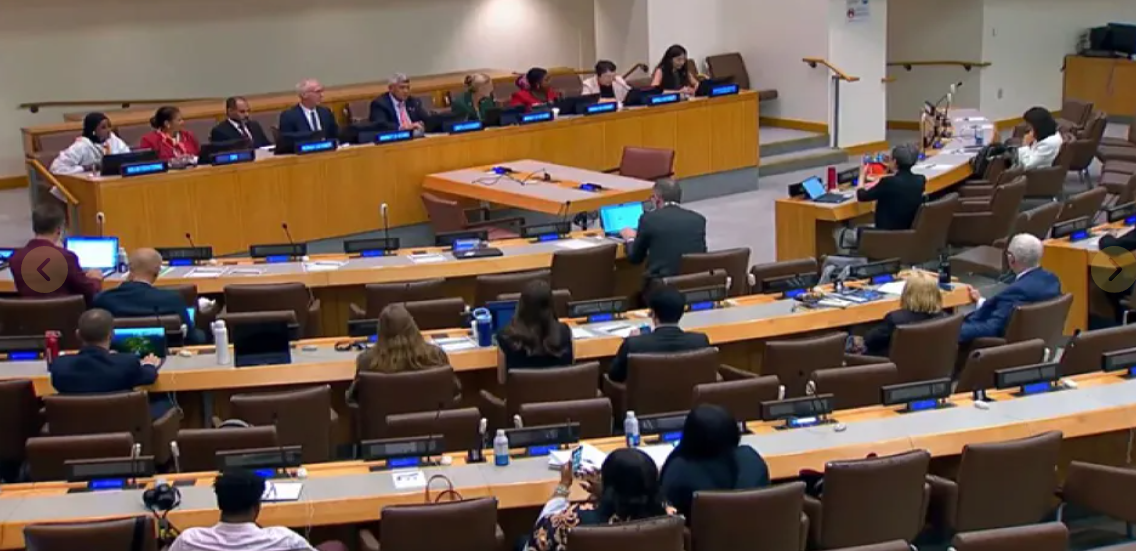
At the request of MU Rector and the Chairman of the Board of Directors of the Saudi Cifal Center, Prof. Saleh Al-Mezal - MU participated in the Higher Education for Sustainability Forum (HESI) 2024, which was held as a special event under the High-Level Political Forum (HLPF). The event aims to follow up and review the 2030 Agenda for Sustainable Development.
The event was attended by His Excellency the Permanent Representative of the Kingdom to the United Nations, Ambassador Dr. Abdulaziz Al-Wasil, and high-level representatives from international organizations and governments. Prof. Mohammed Al-Shehri, the Vice-Rector for Graduate Studies and Scientific Research, represented MU as a speaker in this event.
The event focused on "The Future of Higher Education for Sustainable Development" and addressed the intersection between education, innovation, and sustainability, with a focus on the impact of artificial intelligence and other emerging technologies amid the challenges facing the progress of achieving the Sustainable Development Goals (SDGs).
The event acted as a preparatory platform for future initiatives to be promoted or launched at the Future Summit 2024. The recommendations and strategies resulted from the forum will contribute to drafting policies and practices supporting action plans for sustainable development in higher education.
The forum asserts the vital role of transforming higher education institutions to keep pace with dynamic global changes and an unpredictable future, valuing local knowledge and partnerships, promoting sustainable and equitable development around the world.
All the areas that higher education institutions can possibly contribute to achieving their Sustainable Development Goals using emerging technologies were mentioned, including artificial intelligence
Similarly, MU was an active participant and speaker in the Higher Education Sustainability Initiative (HESI) Forum 2024 held alongside the HLPF mu.edu.sa mu.edu.sa. At HESI 2024 – a UN multi-stakeholder platform – MU’s Vice-Rector Prof. Mohammed Al-Shehri addressed the “Future of Higher Education for Sustainable Development,” focusing on how innovation and emerging technologies (like AI) can accelerate progress on the SDGs amid global challenges mu.edu.sa. The forum’s outcomes (policy recommendations for the upcoming UN Future Summit 2024) benefited from MU’s inputs, highlighting the vital role of transforming higher education to meet SDG targets mu.edu.sa. MU’s involvement in these forums demonstrates its collaboration in global SDG progress tracking: sharing best practices, aligning on indicators, and contributing to international policy dialogues on sustainability in higher education mu.edu.sa mu.edu.sa. It also expanded MU’s international network through HESI working groups, reinforcing partnerships that enable ongoing data exchange and benchmarking on SDG initiatives mu.edu.sa.
Co-Organizing Global SDG Conferences:
In 2025, MU’s global engagement reached a new height by co-organizing the Global Higher Education Symposium 2025 in partnership with the United Nations mu.edu.sa. The symposium – held at UN Headquarters in New York during HLPF 2025 – was conducted in collaboration with UNAI and leading international institutions, and convened over 50 experts from academia, UN agencies, and NGOs mu.edu.sa mu.edu.sa. MU (represented by Dr. Ayman Al-Barakati, Director of CIFAL Saudi) helped shape the agenda, highlighting MU’s experience in promoting “sustainable education and impactful global partnerships” mu.edu.sa mu.edu.sa. High-profile participants included the UN Under-Secretary-General for Communications, the President of the International Science Council, UNESCO’s Head of Higher Education, and the Secretary General of the International Association of Universities mu.edu.sa – reflecting the symposium’s global significance. Discussions centered on the future of higher education’s role in achieving Agenda 2030, emphasizing social justice, governance, and linking scientific research data with policymaking mu.edu.sa. MU contributed by presenting case studies of integrating sustainability in curricula and research, and by advocating for stronger academia-government linkages in SDG data monitoring mu.edu.sa mu.edu.sa. The symposium concluded with a Zero Draft Statement – a set of actionable recommendations for policymakers – to be presented at HLPF 2026, particularly addressing science, technology and innovation for the post-2030 agenda mu.edu.sa. MU’s co-organization of this UN symposium underscores its role as an international collaborator in SDG policy development and showcases verifiable impact: the university’s insights are directly informing global SDG progress reviews and future strategies.
IN PARTNERSHIP WITH THE UNITED NATIONS, MU CO-ORGANIZES THE 2025 GLOBAL HIGHER EDUCATION SYMPOSIUM
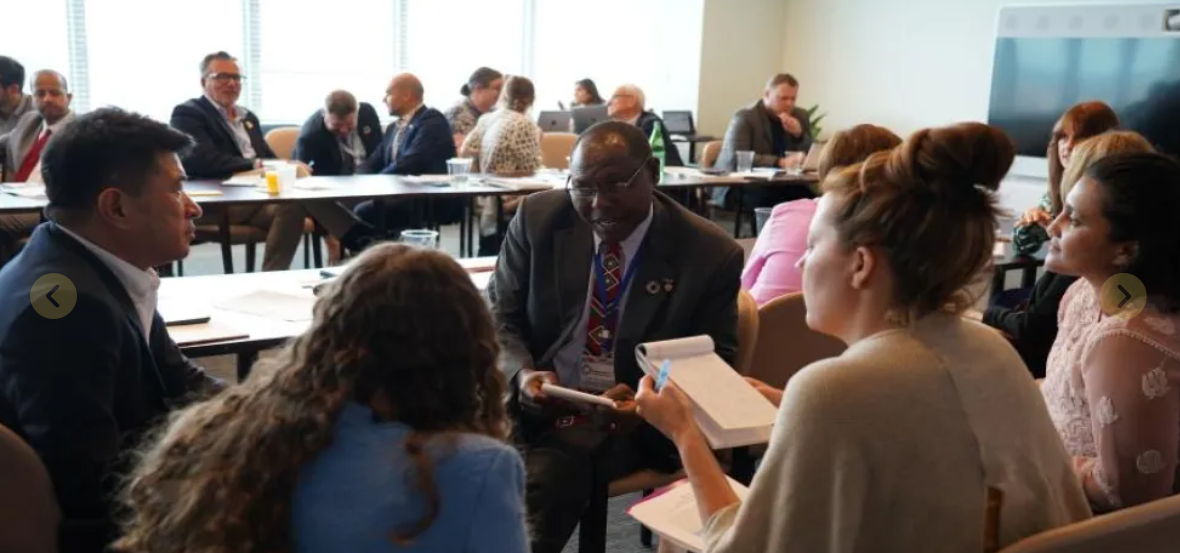
MU took part in organizing the Global Higher Education Symposium, held in partnership with the United Nations Academic Impact (UNAI) and several leading international institutions. The event was held on the sidelines of the High-Level Political Forum (HLPF) 2025, an annual gathering at the United Nations Headquarters in New York.
Dr. Ayman Al-Barakati, the Director of CIFAL Saudi Arabia, represented MU in the symposium sessions and discussions, highlighting MU’s role in promoting sustainable education and impactful global partnerships.
The event brough together prominent international and academic figures, including:
· Ms. Melissa Fleming, Under-Secretary-General for Global Communications at the United Nations
· Prof. Robert Dijkgraaf, President-elect of the International Science Council (ISC) and former Minister of Education in the Netherlands
· Ms. Nazhira Yusuf, Executive Director of the Global Governance Innovation Network
· Dr. Noah Sobe, Head of Higher Education at UNESCO
· Dr. Marcia Barbosa, Vice President of the International Science Council
· Dr. Hilligje van’t Land, Secretary General of the International Association of Universities (IAU)
· Dr. Fanta Aw, Executive Director and CEO of NAFSA
· Dr. Arturo Condo, President of EARTH University
· Dr. Yensi Flores-Boso, University of Washington and global leader at the Young Academy
Chris Foster, CEO of DNY and Chair of the Next Practice
The symposium, which brought together over 50 participants from various sectors, focused on the future of higher education and its role in achieving the 2030 Sustainable Development Goals (SDGs). Discussions emphasized academic governance, social justice, and linking scientific research with policymaking.
Dr. Ayman Al-Barakati presented MU’s and CIFAL Saudi Arabia’s experience in advancing education through global partnerships and integrating sustainability into academic and development programs.
The sessions ended with writing a Zero Draft Statement, a consensus document aimed at delivering actionable recommendations to policymakers. The outcomes will be presented during the 2026 HLPF agenda, particularly within the theme of science, technology, and innovation, and the role of universities in the post-2030 world.
SDG-Focused Agreements and Projects (Climate, Health, Gender, Innovation)
Majmaah University’s international collaborations have yielded specific projects and data-sharing initiatives that support various SDGs:
-
Health Data Collaboration:
In 2024, MU signed a cooperation agreement with “Sharek” Association for Research and Studies to facilitate access to health data about the Saudi population for MU researchers mu.edu.sa mu.edu.sa. Through this agreement, MU faculty can utilize Sharek’s extensive community health and nutrition datasets to conduct scientific research mu.edu.sa. By enabling data-driven health studies (e.g. on public health indicators and diet trends), this collaboration supports SDG3 by informing evidence-based health interventions and tracking progress on national health targets. It exemplifies cross-sector data sharing – between academia and a research NGO – to advance SDG measurement. (While Sharek is a domestic partner, the practice aligns with international calls for open data to monitor SDGs). MU’s researchers are using these datasets under defined protocols (submission of research proposals and data requests) mu.edu.sa, thereby contributing analysis and findings that can be shared in global health forums or publications. This local-global data linkage helps position Saudi Arabia’s SDG3 progress within the broader international context.
Activities/Agreements/Cooperation
Training
Research School
Specialized Workshops (Statistical Analysis, Scientific Experiments)
Agreements
"A cooperation agreement was signed between Majmaah University, represented by the Health and Basic Colleges Research Center and 'Sharek' Association for Research and Studies on Monday 04/29/2024.
This agreement aims to facilitate access to health data collected by 'Sharek' Association about the Saudi community for faculty members and researchers at Majmaah University to conduct scientific research."
Cooperation
"Currently available health data is data related to:
Community health indicators.
Health and diet indicators.
How a faculty member and researcher at Majmaah University can obtain health data available at the Health and Basic Colleges Research Center to conduct scientific research:
Fill out the research proposal form (Word file)
Fill out the data request form in English and attach the research proposal form,
-
Climate and Environmental Initiatives:
MU contributes to climate action and environmental sustainability (SDG13) through both research and international dialogues. The university’s CIFAL center focuses on Environmental Sustainability as one of its core training themes unitar.org, building local expertise in areas like climate change mitigation, sustainable urban development, and conservation. While Saudi Arabia’s government is party to global climate agreements (e.g. the Paris Agreement), MU complements these efforts academically. For instance, MU hosted a “Weather Fluctuations Monitoring Unit (Manahi)” on campus (in collaboration with national authorities) to collect climate data and improve disaster preparedness mu.edu.sa mu.edu.sa. Data and insights from such units can feed into national SDG13 reporting and are shared during inter-university exchanges. On an international level, MU’s faculty and students have engaged in competitions addressing climate and sustainability challenges. In one initiative aligned with SDG13 and SDG9, two MU student teams participated in a global Industrial Innovation Hackathon and an International Innovation Exhibition in London (2022) – where MU won a Gold Medal and a Distinguished Innovation Award for a sustainable tech project mu.edu.sa mu.edu.sa. These achievements not only highlight innovation capacity, but also involve sharing MU’s climate-related innovations on international stages.
During which a memorandum of cooperation was signed: The Director of Tabuk University visits the university
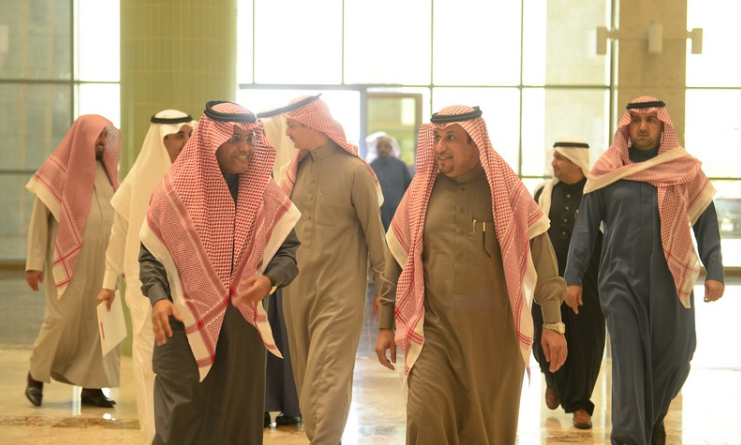
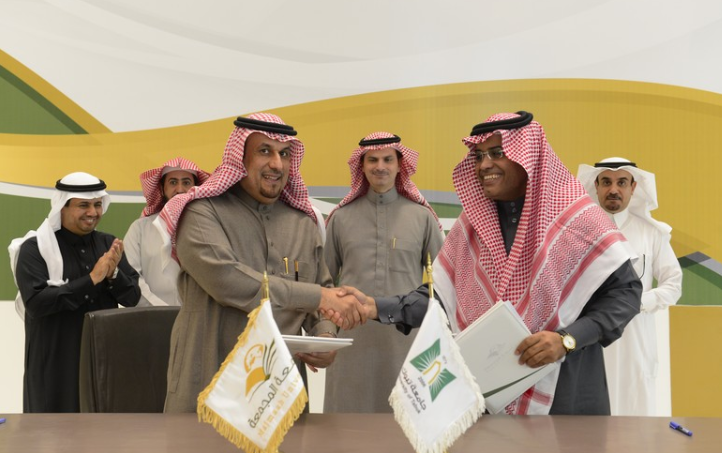
Within the framework of the permanent integration between Saudi universities and the ongoing cooperation in a number of fields and the exchange of experiences and expertise, His Excellency the Director of Tabuk University, Professor Abdullah bin Mufreh Al-Dhiabi, and a number of its employees visited the university to view the university’s capabilities and equipment, its plans, and what it has in terms of quality and academic accreditation, and to sign a memorandum of cooperation in this regard. They were received by His Excellency the University Director, Dr. Khalid bin Saad Al-Muqrin, the university’s vice presidents, deans of colleges and supporting deanships, and department directors. Upon the arrival of the guests, everyone headed to the venue of the celebration prepared for this occasion in the VIP hall of the university administration building, where His Excellency the University Rector welcomed His Excellency the Director of Tabuk University and his accompanying delegation, during a speech he delivered on this occasion, expressing his pleasure with this visit, considering that success is a partnership between the nation’s institutions, and stated that this is the ideal day to exchange experiences and discover the achievements of the two universities, adding that the university is proud that it considers all Saudi universities to be true partners in exchanging experiences and cooperating with what each party has from those universities, and His Excellency stressed that what the university achieves is part of its duties, and is made by the hands of young Saudi employees of whom the university is proud. He also expressed his hope that this visit will achieve the desired goals for both sides, and that it will be the beginning of periodic visits between the employees of the two universities to exchange experiences and expertise, and contribute to achieving the goals. Then, the President of Tabuk University, Prof. Abdullah bin Mufreh Al-Dhiabi, delivered a speech in which he thanked His Excellency the University President and its staff for the warm welcome. He stated that Majmaah University will complete ten years of excellence and stability in construction and development on a very large scale. He added that Tabuk University was keen to cooperate with Majmaah University out of its belief in the distinguished experience led by this university and in the leaps achieved by Majmaah University, stressing that excellence is not related to age or time of establishment, but rather is related to desire, will and determination, which is what he found at this university. During his speech, he also thanked His Excellency the University President, Dr. Khalid bin Saad Al-Muqrin, for the cooperation they found at Tabuk University at all levels, including presenting the university's experience in development and institutional academic accreditation, the field of information technology, and many other fields, both administrative and academic, for the benefit of all. Then, a memorandum of cooperation was signed between the two parties by Their Excellencies the University President and the President of Tabuk University, which focused on enhancing cooperation between the two universities in the areas of quality and academic accreditation to benefit from the expertise and capabilities of Majmaah University. After that, His Excellency the University Rector accompanied His Excellency the Director of Tabuk University on a tour of the university campus, where they visited the Deanship of Information Technology, to view the departments and units of the Deanship, and the capabilities, equipment, programs and applications that were developed by work teams from the Deanship’s staff. Then everyone headed to visit the University Pioneers Schools, during which they viewed their facilities, educational equipment and services provided to students. Then His Excellency the University Rector accompanied the guests to the Artificial Limbs Center, which was recently inaugurated by His Royal Highness Prince Faisal bin Bandar bin Abdulaziz Al Saud - Governor of Riyadh Region - where the guests were given a detailed explanation of the center and the services it provides to people with disabilities. After that, they were briefed on the university’s initiatives in the field of community service, including:The Blood Bank Friends Club vehicle, the mobile community e-learning and training bus, and the access gate for people with special needs. The guests were briefed on the most important equipment and tools for these initiatives, their objectives, the most important services provided through them, their most important achievements during the coming period, and future aspirations. At the end of the visit, everyone had lunch prepared for this occasion. For his part, His Excellency the President of Tabuk University, Professor Abdullah Al-Dhiabi, expressed his utmost thanks and appreciation to His Excellency the President of Majmaah University for hosting and organizing this meeting, and for the warm welcome and generous hospitality he received during the visit. He also expressed his pleasure and admiration for what he saw during his tour, considering it a great achievement despite the recent establishment of the university. Then, the university guests were bid farewell with the same warmth and honor with which they were received.
The university won the gold medal and the Outstanding Innovation Award at the International Innovation Exhibition held in London 2022.
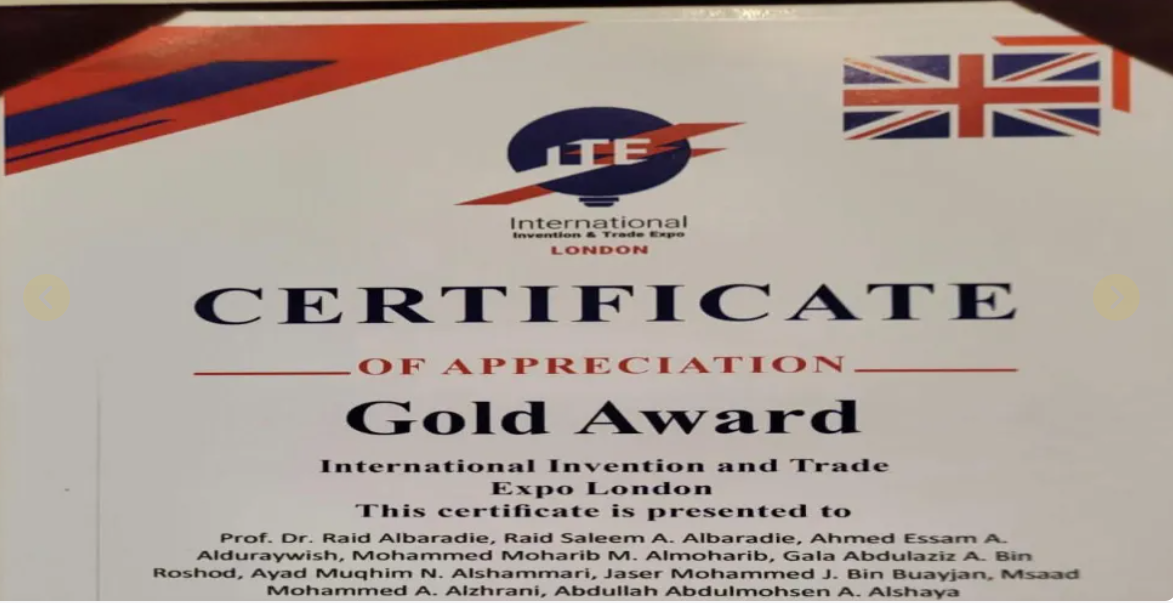
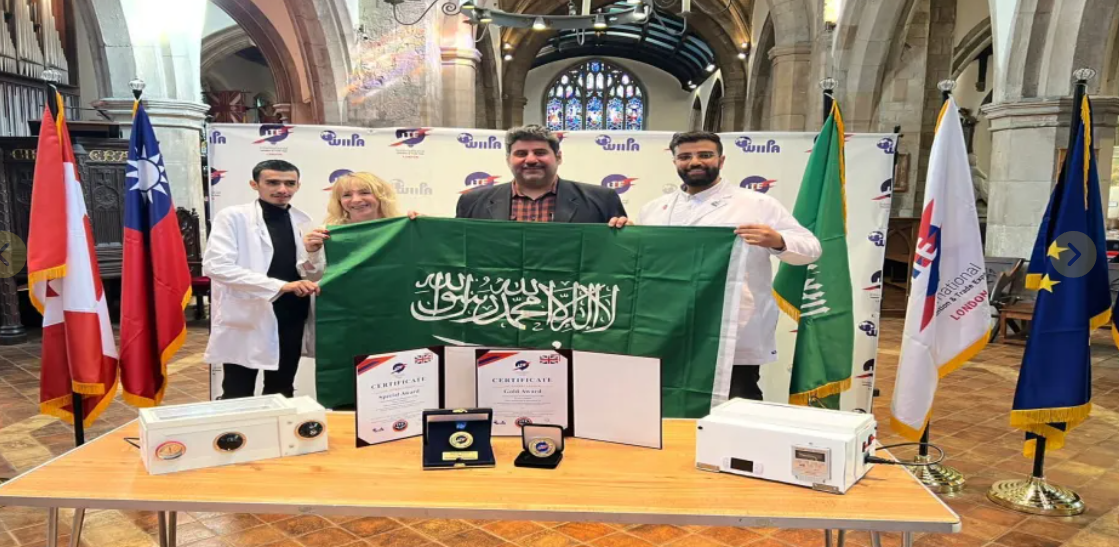
The university won the gold medal and the Distinguished Innovation Award at the International Innovation Exhibition held in London 2022. A team from the College of Applied Medical Sciences participated in the exhibition, led by Professor Dr. Raed bin Salim Al-Baradei, and students Ahmed bin Issam Al-Dariwish and Muhammad bin Muharab Al-Muharab. The university team’s innovation (a medical device for fixing and drying tissues on laboratory medical slides) was admired by exhibition visitors and the organizing committee.
For his part, the Dean of the College, Dr. Musaed bin Mohammed Al-Zahrani, expressed his thanks and appreciation to His Excellency the University President, Professor Dr. Saleh bin Abdullah Al-Muzal, for the facilities and support provided by the university in all fields, especially in the field of research and innovation. He also praised the participating team after they won the gold medal and the Distinguished Innovation Award, appreciating the efforts made to obtain this award and raise the name of the university in this international forum.
The head of the participating team, Professor Raed bin Salim Al-Baradei, also thanked His Excellency the President of the University and His Excellency the Dean of the College for their unlimited support, which, after God’s grace, had an impact on winning the award.
-
Gender Equality and Women’s Empowerment:
Advancing SDG5 (Gender Equality) is a cross-cutting priority in MU’s collaborations. As Saudi Arabia implements reforms empowering women, MU has ensured that its international programs are inclusive for female students and faculty. The UEA–Majmaah partnership, for example, explicitly encourages women’s participation in STEM and leadership programs. MU’s Innovation & Entrepreneurship Center and Vice-Rectorate for Student Affairs formed over 16 mixed-gender student teams to compete in the University Innovation Challenge for Sustainable Development, a nationwide contest held in cooperation with a UK institution (Babson Global College) and the UN mu.edu.sa mu.edu.sa. Each team of 3–5 members intentionally included both male and female students, especially in final-year science and engineering fields, to ensure women gain experience in solving real-world sustainability problems mu.edu.sa. This initiative, supported by the Ministry of Education, aligns with MU’s broader strategy to boost women’s representation in underrepresented fields. Through workshops, scholarships, and exchanges, MU enables female students and staff to engage with international peers. For instance, female researchers from MU have presented studies on women’s health and employment at international conferences, contributing Saudi perspectives to global gender discussions. By aligning campus policies with UNAI principles (e.g. non-discrimination and “education for all regardless of gender” mu.edu.sa mu.edu.sa), and by collaborating with global networks, MU helps track and promote progress on gender equality. Its research on women in the workforce and gender inclusion (often done in partnership with global experts) feeds into SDG5 data and policymaking nationally mu.edu.sa mu.edu.sa.
Majmaah University participates in the University Innovation Challenge for Sustainable Development at the level of Saudi universities.
Under the direction of His Excellency the University President, Prof. Saleh bin Abdullah Al-Mizal, the University participated in the University Innovation Challenge for Sustainable Development. It is one of the universities keen on this participation. His Excellency the Head of the Innovation and Entrepreneurship Center, Dr. Abdullah bin Saeed Bajhazer, stated that this challenge is important in achieving the Kingdom's Vision 2030. This challenge aims to encourage male and female students in universities to innovate and contribute to raising community awareness in achieving the goals of the Kingdom's Vision 2030 in accordance with the United Nations Sustainable Development Goals. It also supports universities in developing methods of innovation and entrepreneurship, finding innovative solutions and ideas that transform ideas into promising startup companies that contribute to raising the efficiency of the national economy. This challenge is sponsored by the Ministry of Education and organized by the Prince Mohammed bin Salman College of Business and Entrepreneurship, in cooperation with Babson Global College in Britain and the United Nations Sustainable Development Organization.
More than 16 student teams participate in the University Innovation Challenge for Sustainable Development.
Based on the university's participation in the University Innovation Challenge, more than 16 teams of male and female students from various colleges were formed. The teams were formed under the guidance and follow-up of Her Excellency the Vice President for Female Student Affairs, Dr. Jawaher bint Abdulrahman Al-Omar, and under the supervision of the Head of the Innovation and Entrepreneurship Center, Dr. Abdullah bin Saeed Bajhazer. They were also in accordance with the challenge conditions set by the organizing body, most notably that each team must be from among the university's male and female students, that each team must consist of between 3 and 5 male and female students, and that they must be in their final year or have graduated from the bachelor's degree. The challenge was to present ideas and solutions in the fields of sustainable development for the United Nations. Accordingly, directives were given to form the teams, nominate one team member as a leader, and select a team supervisor from among the faculty members.
MU GAINS UNITED NATIONS ACADEMIC IMPACT MEMBERSHIP
Unprecedented local and regional achievement accomplished by MU by gaining the United Nations Academic Membership (UNAI). With this membership, MU becomes one of 1500 academic and research institutions in over 145 state members to join this program.
The United Nations Academic Impact (UNAI) is an initiative that aligns institutions of higher education with the United Nations in supporting and contributing to the realization of United Nations goals and mandates via implementing the ten UNAI principles:
· A commitment to the principles inherent in the United Nations Charter as values that education seeks to promote and help fulfill;
· A commitment to human rights, among them freedom of inquiry, opinion, and speech;
· A commitment to educational opportunity for all people regardless of gender, race, religion or ethnicity;
· A commitment to the opportunity for every interested individual to acquire the skills and knowledge necessary for the pursuit of higher education;
· A commitment to building capacity in higher education systems across the world;
· A commitment to encouraging global citizenship through education;
· A commitment to advancing peace and conflict resolution through education;
· A commitment to addressing issues of poverty through education;
· A commitment to promoting sustainability through education;
· A commitment to promoting inter-cultural dialogue and understanding, and the "unlearning" of intolerance, through education.
The membership was gained based on MU’s efforts in promoting the positive concepts of UN’s goals among the university staff and community members – an act that was recommended by the Committee of Rectors and Directors of Universities & Higher Education at GCC Countries.
MU rector, Dr. Khalid al-Muqren commended this accomplishment and attributed it to the cooperation of the university’s different sectors.
-
Innovation and Community Development Projects:
Many MU international agreements target innovation (SDG9) and community development (SDG11) with global support. MU’s partnership with UEA is bringing new programs in creative technologies and supply chain management, which will spur local innovation ecosystems news.europawire.eu news.europawire.eu. Additionally, MU has worked with industry partners like BAE Systems (UK) which funded a new Sustainability Lab at MU (as reported in 2022) to support education and research on sustainable technologies baesystems.com. Through MU’s Vision 2030 Realization Office, the university also coordinates with international advisors to implement the Kingdom’s development agenda on campus, measuring performance via global KPIs and sharing results. Community-oriented projects – such as MU’s Smart Prosthetics Center and the Blood Bank Friends mobile clinic – have been visited by foreign delegations (Indonesia, Tabuk University, etc.) for knowledge exchange mu.edu.sa mu.edu.sa. Those visits often yield ideas for joint projects (e.g. applying MU’s prosthetics technology expertise to benefit communities abroad, or replicating MU’s community health outreach model). By exporting best practices and co-developing solutions, MU contributes to international databases of sustainable development case studies. For example, MU’s initiatives have been featured in the International Association of Universities (IAU) Global SDG Portal and other repositories that catalog university contributions to the SDGs, thus informing the global progress assessment.
A visit by a delegation of academic leaders to Brawijaya University in Malang, one of the largest health universities in the Republic of Indonesia
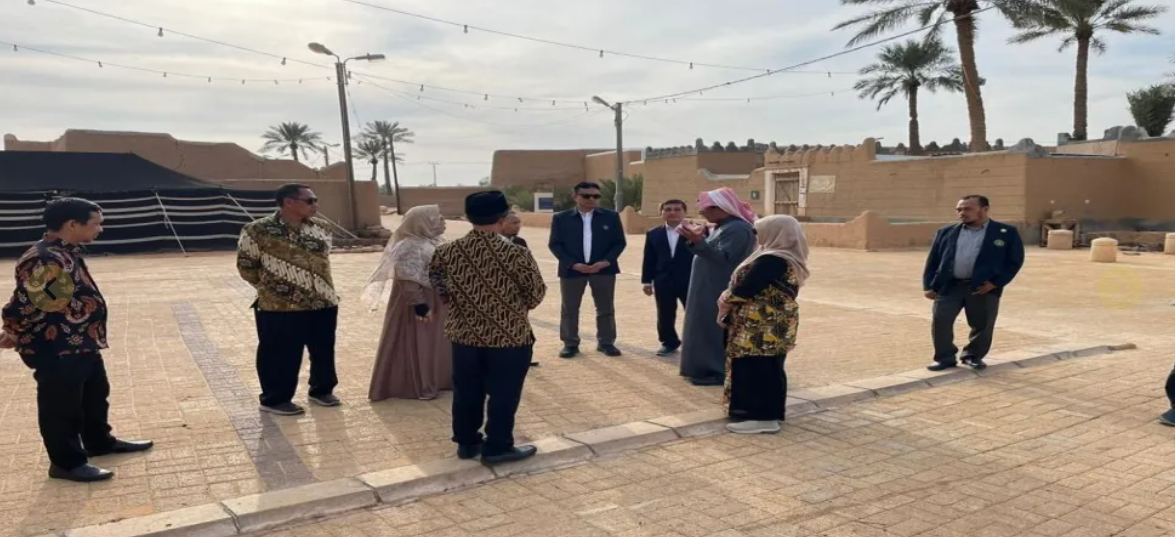
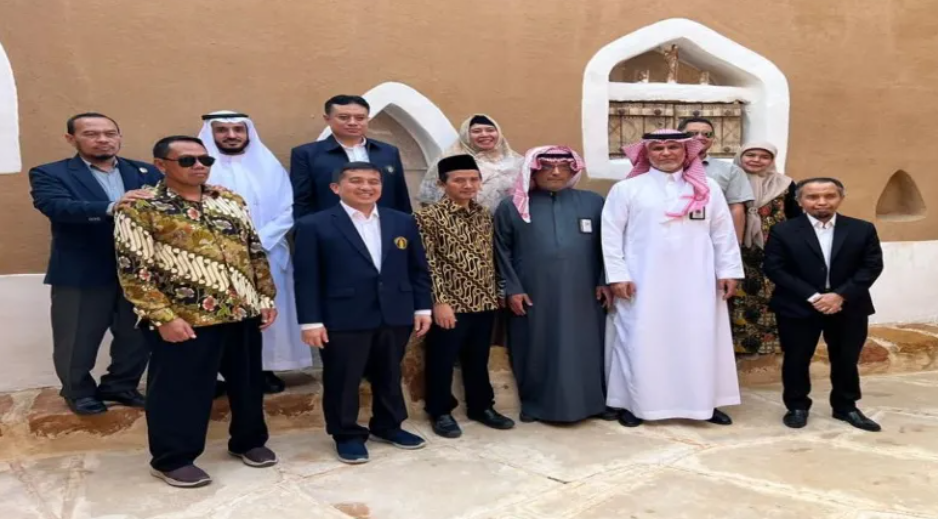
The General Administration of Relations and Conferences organized a visit program for a delegation of academic leaders from the University of Brawijaya in Malang, one of the largest health universities in the Republic of Indonesia, and the Cultural Attaché at the Indonesian Embassy. The program included a visit to a number of departments in the university and reviewing their achievements. The visit included the College of Applied Medical Sciences , the International Center for Prosthetics Technologies, a visit to the Center for Health Research and Basic Sciences, a visit to the Central Library, and a tour of the historical landmarks of Al Majmaah.
A cooperation agreement was signed between the University and the University of Brawijaya in Malang under the patronage of His Excellency the University President and in the presence of Their Excellencies the University Vice-Presidents. The program also included a visit to a number of heritage and archaeological sites in Majmaah, where they viewed some of the heritage landmarks such as the historic King Abdulaziz Endowment and its annexes, as well as the historic Ahmed Al-Sanea School, which was founded by Sheikh Ahmed bin Saleh Al-Sanea in the city of Majmaah in 1336 AH and made it a field for educating the people of Majmaah and the surrounding villages. They also viewed the Craftsmen’s Center and the various craft works being carried out, and viewed the heritage pieces, games, and popular foods and drinks it contained. They expressed their thanks for the welcome, hospitality, and generosity they received.
Participation in Global SDG Data Networks and Measurement Efforts
SDG Data Tracking and Reporting:
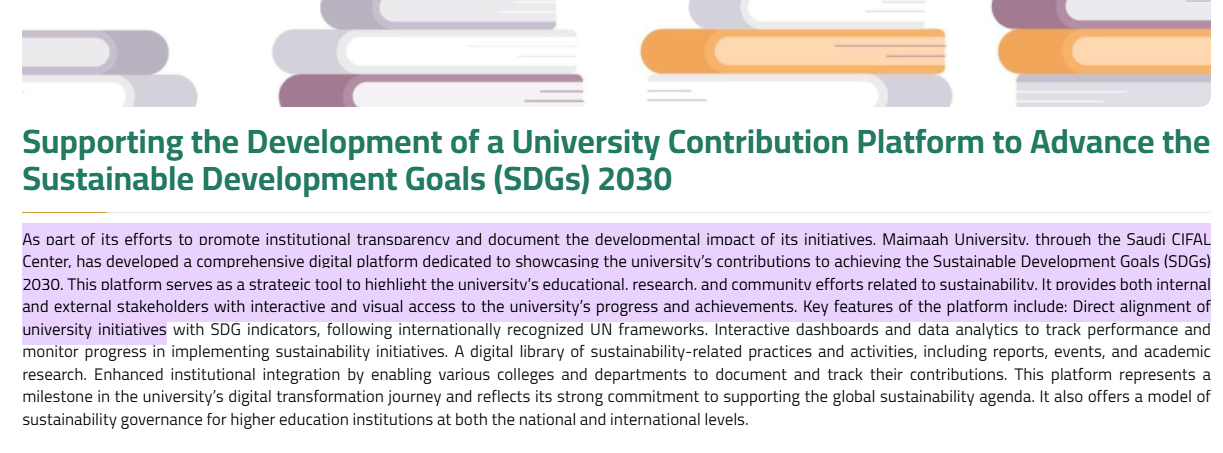
Majmaah University not only participates in partnerships but has also developed internal systems aligned with international SDG indicators. In 2023, MU – through the CIFAL center – launched a “University SDG Contribution Platform” to digitally track and showcase its sustainability efforts mu.edu.sa. This comprehensive platform maps MU’s academic, research, and community initiatives directly to the relevant SDG targets and indicators, following UN framework definitions mu.edu.sa. It features interactive dashboards and data analytics for monitoring performance on each goal, and a digital library of sustainability reports and research mu.edu.sa mu.edu.sa. By ensuring that each college/department logs its SDG-aligned activities, MU creates a transparent database of contributions. This data is used for MU’s annual SDG reporting (including THE Impact Rankings submissions) and is shared with national agencies coordinating Saudi Arabia’s SDG progress mu.edu.sa. The platform exemplifies how MU measures and communicates its impact, serving as a model of good practice in sustainability governance for other higher education institutions mu.edu.sa. The alignment with UN indicators means MU’s data can be aggregated or compared in global SDG databases, thereby plugging local university actions into the broader measurement of SDG progress.
Global Sustainable Development Solutions
Networks:
To further contribute to SDG data and research, MU engages with international networks like the Higher Education Sustainability Initiative (HESI) and has ties to the UN Sustainable Development Solutions Network (SDSN) through events and memberships. During HESI forums, MU not only shared its experiences but also learned from global SDG data trends, which it brings back to refine local strategies mu.edu.sa mu.edu.sa. MU’s active role in HESI 2024 led to expanding its network of partners committed to open data and collaborative research on sustainability mu.edu.sa. Moreover, MU students and faculty have contributed to global SDG solution databases – for instance, by publishing case studies in UN SDG Acceleration newsletters and participating in UNITAR’s LEAP-FAST program (an international certificate for transforming higher education for sustainability in 2023–2024, where MU was a stakeholder) unitar.org. These engagements allow MU to input Saudi-specific data (e.g. on desertification, renewable energy, public health) into global analyses and to utilize international data for local research.
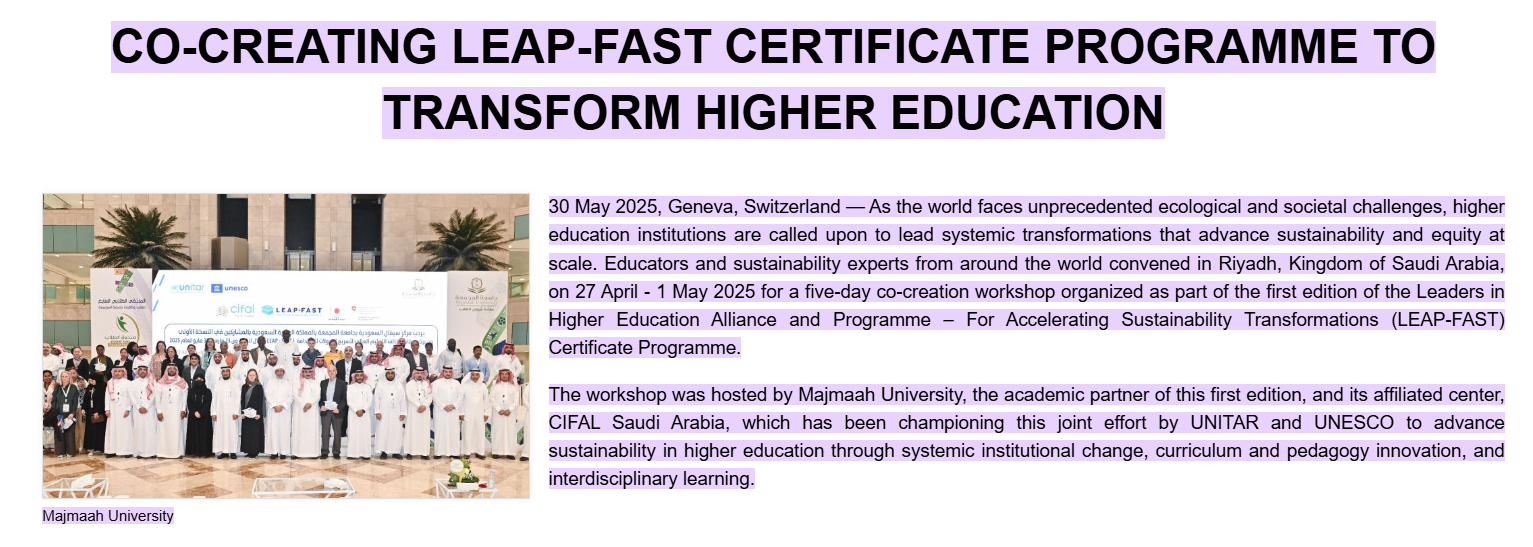
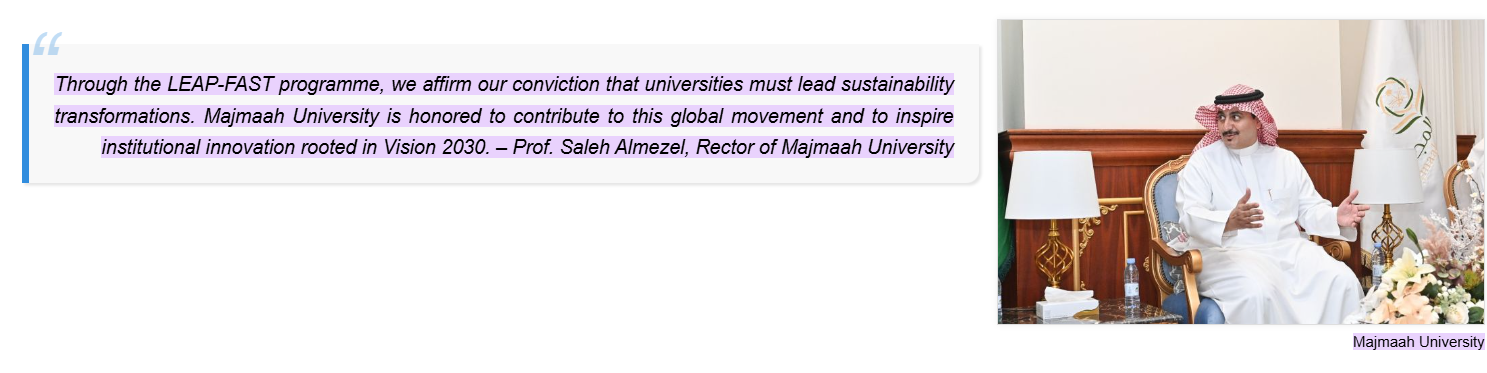
The Certificate Programme is part of a broader LEAP-FAST initiative by UNITAR and UNESCO, developed in 2023-2024. The initiative aims to create a global movement of committed sustainability leaders in higher education to advance deep transformations and enable HEIs to fulfil their potential with regards to the SDGs: by offering space for a collective reflection exercise, providing a global advocacy channel with UN, Governments, other stakeholders; demonstrating clear models of new generation HEIs and enabling HEIs serve as lighthouses regionally and nationally. The initiative was launched in July 2024 through the first Leadership Dialogue, bringing rectors and vice-rectors of participating Higher Education Institutions together. The Dialogue resulted in a joint statement presented at a dedicated side event of the 2024 High-level Political Forum on Sustainable Development, with a view to advocating for a greater role of higher education not only with universities but also with policy-makers and other stakeholders.
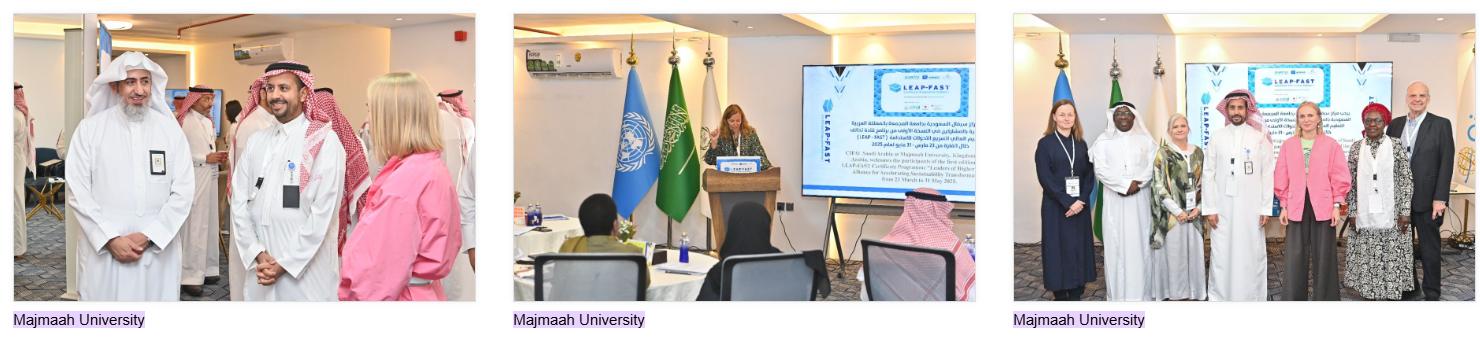
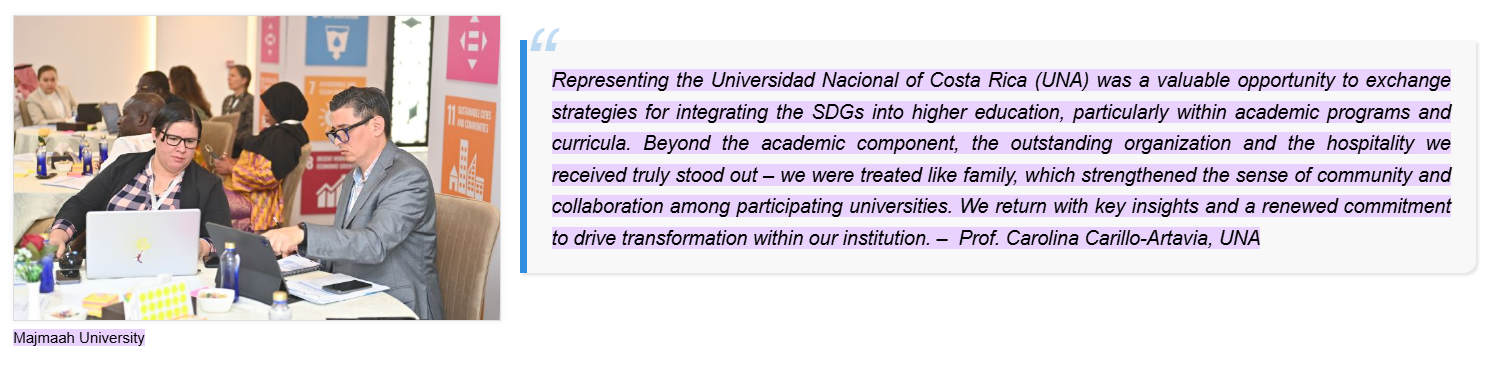
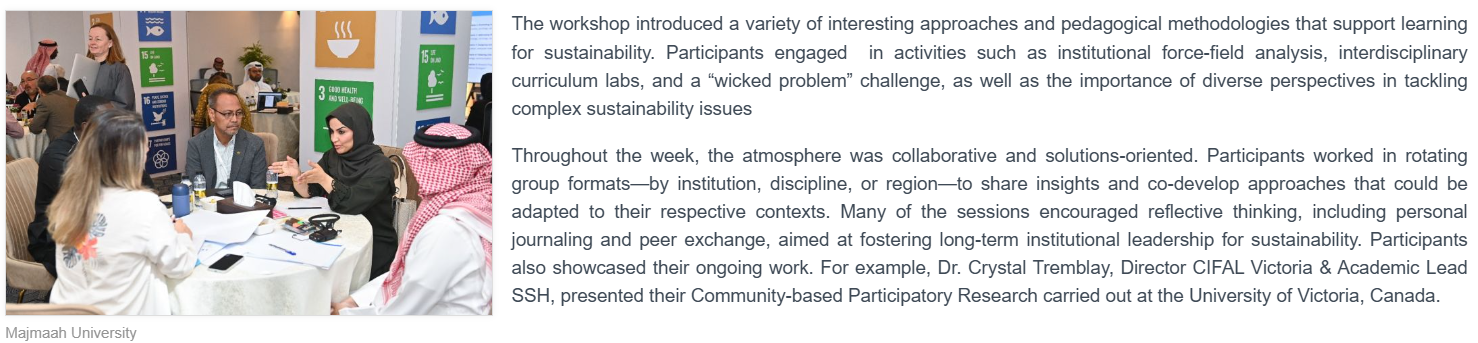
The workshop at Majmaah University has become a new opportunity for Higher Education Institutions (HEIs) to meet in person, this time for faculty members participating in the Certificate Programme. It took place following five intensive weeks of the online programme components, and has been an opportunity to dive deeper into the themes already covered in preceding weeks, addressing higher education transformations at the institutional and faculty levels. Designed as a dynamic exchange of ideas and experiences, the workshop blended expert facilitation with collaborative exercises, enabling participants to generate actionable strategies for transforming higher education and embed sustainability competencies in learning. Among key themes explored were transformations of higher education, including Whole-Institution Approach, inclusive & transformative learning experience, as well as the strengthening of focus on progressive development of sustainability competencies, inter-disciplinary and transdisciplinary approaches, and adaptation of learning strategies.
Evidence of Impact:
The tangible outcomes of MU’s international collaborations are evident in improved SDG metrics and recognition. MU’s data contributions and partnerships have been cited in United Nations reports and news. For example, the United Nations highlighted a student-led initiative at MU to counter hate speech as a positive action by a UNAI member university un.org, illustrating SDG16 (Peace, Justice) at work. Likewise, the UNITAR conference “Universities and the Sustainable Development Goals”, co-led by CIFAL Saudi (MU) in 2023, showcased MU’s approach as a best practice for integrating SDGs into university governance mu.edu.sa mu.edu.sa. Through ongoing international cooperation, Majmaah University not only gathers and shares data for the SDGs – it also helps shape the narrative of sustainable development in Saudi Arabia on the world stage.
IN PARTNERSHIP WITH THE UNITED NATIONS, MU CO-ORGANIZES THE 2025 GLOBAL HIGHER EDUCATION SYMPOSIUM
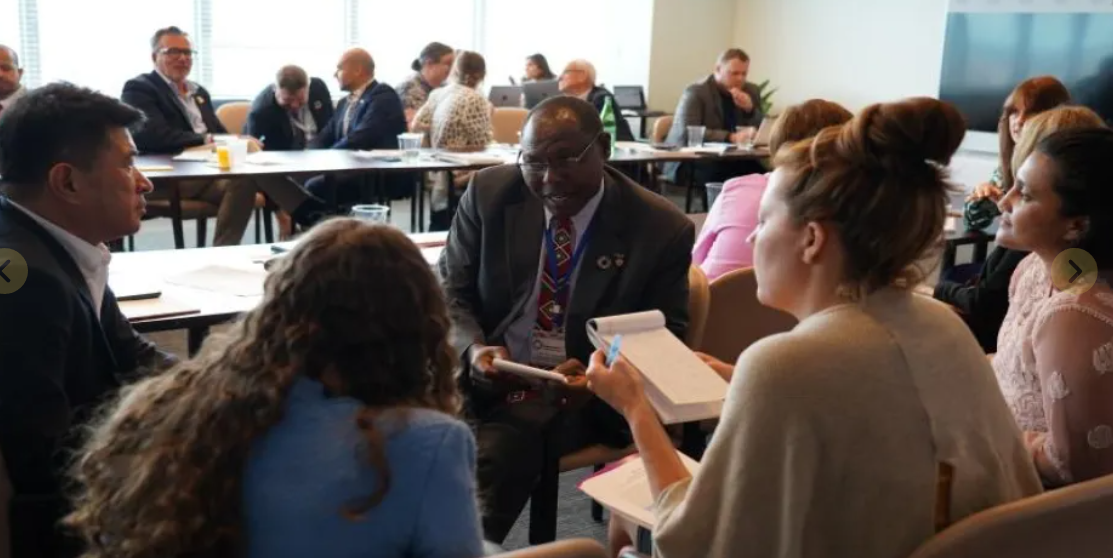
MU took part in organizing the Global Higher Education Symposium, held in partnership with the United Nations Academic Impact (UNAI) and several leading international institutions. The event was held on the sidelines of the High-Level Political Forum (HLPF) 2025, an annual gathering at the United Nations Headquarters in New York.
Dr. Ayman Al-Barakati, the Director of CIFAL Saudi Arabia, represented MU in the symposium sessions and discussions, highlighting MU’s role in promoting sustainable education and impactful global partnerships.
The event brough together prominent international and academic figures, including:
· Ms. Melissa Fleming, Under-Secretary-General for Global Communications at the United Nations
· Prof. Robert Dijkgraaf, President-elect of the International Science Council (ISC) and former Minister of Education in the Netherlands
· Ms. Nazhira Yusuf, Executive Director of the Global Governance Innovation Network
· Dr. Noah Sobe, Head of Higher Education at UNESCO
· Dr. Marcia Barbosa, Vice President of the International Science Council
· Dr. Hilligje van’t Land, Secretary General of the International Association of Universities (IAU)
· Dr. Fanta Aw, Executive Director and CEO of NAFSA
· Dr. Arturo Condo, President of EARTH University
· Dr. Yensi Flores-Boso, University of Washington and global leader at the Young Academy
· Chris Foster, CEO of DNY and Chair of The Next Practice
The symposium, which brought together over 50 participants from various sectors, focused on the future of higher education and its role in achieving the 2030 Sustainable Development Goals (SDGs). Discussions emphasized academic governance, social justice, and linking scientific research with policymaking.
Dr. Ayman Al-Barakati presented MU’s and CIFAL Saudi Arabia’s experience in advancing education through global partnerships and integrating sustainability into academic and development programs.
The sessions ended with writing a Zero Draft Statement, a consensus document aimed at delivering actionable recommendations to policymakers. The outcomes will be presented during the 2026 HLPF agenda, particularly within the theme of science, technology, and innovation, and the role of universities in the post-2030 world.
Conclusion
From 2020 onward, Majmaah University has significantly expanded its international collaborations in pursuit of the Sustainable Development Goals. By partnering with global universities (from the UK, Indonesia, Australia, etc.) on academic and research initiatives, MU is directly contributing to goals like quality education, health, gender equality, and innovation. Its membership in UN-led networks such as UNAI and the hosting of CIFAL Saudi Arabia (UNITAR) firmly embed the university in worldwide efforts to track and accelerate SDG progress. These collaborations enable MU to share data, expertise, and best practices – whether through co-organizing UN symposia, signing research MoUs, or participating in global SDG forums – thus reinforcing SDG17 (Partnerships for the Goals) in action. The evidence presented (news releases, UN statements, and official MU documentation) verifies MU’s role as a proactive contributor to international SDG measurement and implementation. Majmaah University’s experience exemplifies how a young Saudi university can leverage global partnerships to drive sustainable development locally and contribute meaningfully to the global 2030 Agenda mu.edu.sa mu.edu.sa.

Share your opinion and contribute to improvement.
0 of 220 visitors liked the page content (0% Visitor Satisfaction Index)